 Tech


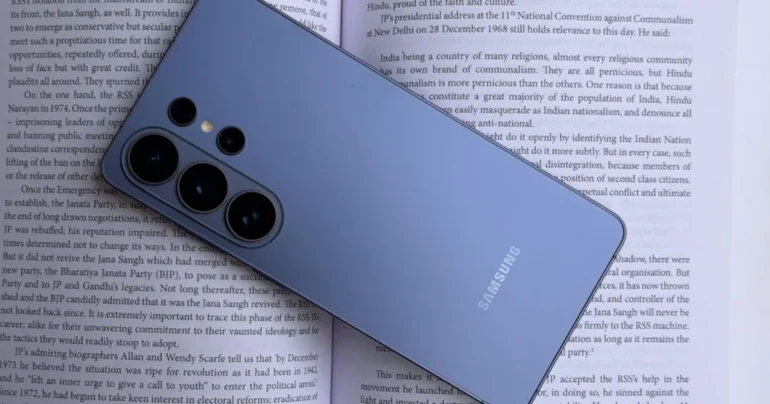
Galaxy S27 Ultra night photography: Samsung’s Galaxy S27 Ultra — previewed in our mobile section — is expected to take a big step forward in low-light photography, according to a new claim from well-known tipster Ice Universe. The leaker said the phone’s new main camera brings noticeably brighter night shots with more detail, along with strong video quality.
The tip lands at an interesting moment. Most recent leaks about the S27 Ultra’s cameras have focused on what Samsung is reportedly removing, not what it is adding.
Galaxy S27 Ultra night photography: Fewer cameras, higher expectations
Earlier reports said the S27 Ultra’s rear setup will shrink to three cameras, with the dedicated 3x telephoto lens dropped. Earlier this week, Ice Universe also claimed Samsung will remove the laser autofocus module.
That laser module typically helps the camera lock focus quickly on nearby subjects in dim conditions. Losing it puts more pressure on the main sensor to perform well in the dark.
In a post on 27 November, Ice Universe wrote that the new main camera has “significantly improved the brightness and detail in night photography”. He added that the video quality is “particularly impressive”.
Not the first praise for the sensor
The same source made similar comments in September. He claimed then that the S27 Ultra’s main camera would show less noise in dark areas and produce cleaner images than the previous generation. Small bright light sources, he said, would keep their shape rather than blowing out.
What the sensor could be
The Galaxy S26 Ultra uses Samsung’s 200-megapixel ISOCELL HP2 as its main sensor. Digital Trends found in its review that the wide f/1.4 aperture delivered real low-light gains. It called the results “the cleanest phone night shots” in years, ahead of the iPhone 17 Pro, though daylight images saw no major improvement.
Rumours suggest the S27 Ultra will switch to the ISOCELL HP6 (S5KHP6). It is said to have the same sensor size as the HP2 but add new technology.
The HP6 is reportedly based on another unannounced Samsung sensor, the HPA. That is a 1/1.12-inch part with support for LOFIC, a technology for ultra-high dynamic range. Another smartphone brand could adopt the HPA. The HP6, by contrast, may be designed only for Samsung phones and is expected to debut on the S27 Ultra. It is also expected to support LOFIC.
Ice Universe has previously claimed the HP6 will perform on par with the HPA.
What to expect next
Better low-light photos and video would be a welcome trade if the rest of the camera system holds up. Still, none of this is confirmed by Samsung, and real camera samples are unlikely to appear before the phone launches. The S27 Ultra is expected in early 2027, and real-world testing will show whether the main camera can make up for the reported loss of the telephoto lens and laser autofocus.
Source: Digital Trends
What Galaxy S27 Ultra night photography Gains Mean for Consumers
Galaxy S27 Ultra night photography improvements are expected to make a noticeable difference in everyday use. Night mode on current Samsung flagships already produces impressive results, but users often complain about long processing times and occasional softness in details. The rumoured sensor upgrades for the S27 Ultra should address both issues, delivering sharper images with less noise in challenging lighting conditions such as dimly lit restaurants, concerts and evening city scenes.
For content creators who rely on their smartphone as their primary camera, the Galaxy S27 Ultra night photography enhancements could reduce the gap between dedicated camera systems and mobile photography even further. The ability to capture clean, detailed images in low light without a tripod or external lighting is one of the most requested features among mobile photography enthusiasts, and Samsung appears to be prioritising this for its next flagship release.
Competition in the smartphone camera space remains fierce, with Apple, Google and Xiaomi all investing heavily in computational photography and sensor technology. The Galaxy S27 Ultra night photography gains will need to be substantial enough to differentiate Samsung from its rivals in real-world shooting scenarios, not just in controlled benchmark tests.