 Tech


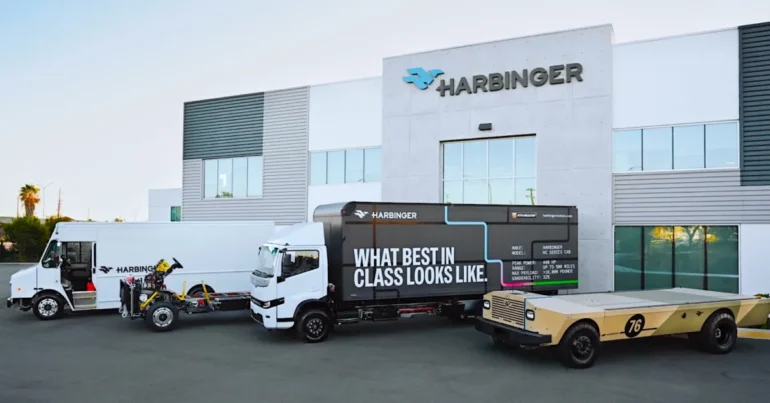
Harbinger funding reaches a major milestone: the electric truck maker — a space we track in our automotive section — has secured $340 million in fresh financing, pairing a $240 million Series D equity round with a further $100 million in debt and convertible funding.
The latest $100 million consists of senior debt from Erebor Bank and a convertible note from Pinegrove Venture Partners. It follows the Series D round, which was announced earlier this month.
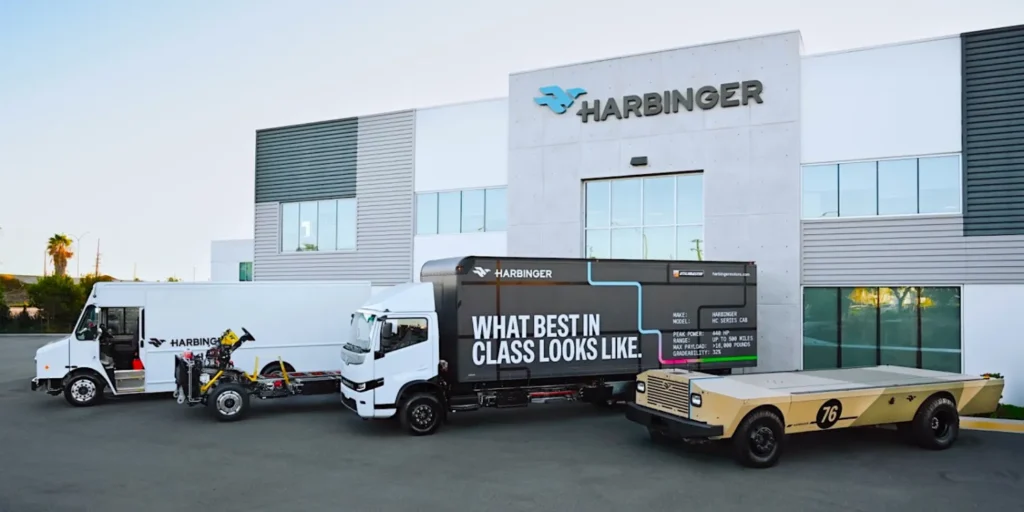
Harbinger Funding: Who Is Backing the Company
The Series D was co-led by Tiger Global, the Capricorn Technology Impact Fund and Ridgeline. With this round, Harbinger said it has raised more than $650 million since 2021.
The money arrives after a run of commercial wins. Harbinger recently landed a $300 million order from FedEx for 2,000 medium-duty electric delivery trucks, along with a defense contract with the US military.
Where the money is going
According to the company, the funding will support expansion into several new areas:

- Energy storage systems
- Power generation
- Autonomy software
- Defense applications
It will also go toward ramping up manufacturing capacity for Harbinger’s medium-duty vehicle platform.
The company has added more than 400 jobs this year and said it plans to create hundreds more in the coming months.
Electrification as the core pitch
Harbinger co-founder and CEO John Harris framed the company’s ambitions broadly. “Electrification is at the core of everything we do,” he said, adding that it is increasingly central to industry, defense, mobility and AI.
Harris said Harbinger’s aim is not just to offer customers another option but to “reset expectations” for what critical systems should deliver. He said the company is rethinking those systems from first principles to improve performance, reliability and safety.
Why it matters
Large fleet operators such as FedEx and Amazon have been moving to electrify their delivery operations, partly to cut emissions and partly to avoid rising diesel costs. A well-funded commercial EV maker with a major delivery customer shows how much capital is still flowing into medium-duty electric trucks.
The mix of equity, debt and convertible financing also gives Harbinger several sources of capital as it widens its focus beyond trucks into energy and autonomy. The company has not detailed the terms of the debt or the convertible note.
Source: Electrek
What Harbinger Funding Means for the EV Industry
The scale of Harbinger funding reflects growing investor confidence in the commercial electric vehicle segment, which has struggled to attract capital at the same pace as passenger EV companies. While companies like Tesla and Rivian have dominated headlines in the consumer market, the medium-duty truck sector represents a massive opportunity for electrification. Fleet operators are under increasing pressure from regulators and customers to reduce emissions, and commercial trucks are responsible for a disproportionate share of transport-related pollution.
Harbinger’s approach differs from competitors by focusing on a purpose-built electric platform rather than retrofitting existing diesel truck designs. This ground-up engineering strategy allows for better battery placement, improved weight distribution and a lower total cost of ownership for fleet operators. The company claims its trucks can deliver significant fuel savings compared to diesel equivalents, making the business case for adoption straightforward even without government incentives.
Industry analysts expect the medium-duty electric truck market to grow rapidly over the next decade as battery costs continue to decline and charging infrastructure expands. Harbinger’s latest funding round positions the company to capture a meaningful share of this growing market, particularly in the United States where federal and state-level regulations are pushing commercial fleets toward zero-emission vehicles. With production facilities now being expanded, the company aims to begin delivering trucks to customers who have already placed pre-orders.