 Tech


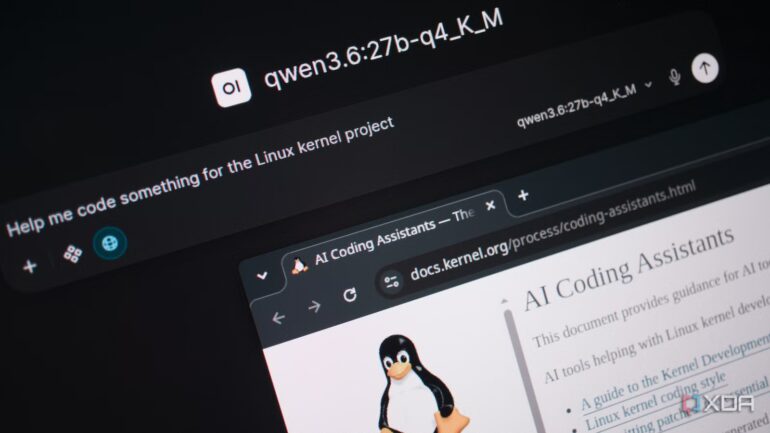
Linux vme_user driver removal: Linux kernel maintainers are removing the vme_user driver, a roughly 9,000-line piece of code for the VERSAModule Eurocard (VME) bus, after AI tools kept reporting “security bugs” in software nobody uses.
Greg Kroah-Hartman, one of the kernel’s most senior maintainers, submitted the removal patch and explained his reasoning on the Linux Kernel Mailing List. He said the driver no longer has any users, yet large language models (LLMs) keep trying to find vulnerabilities in it.
Linux vme_user driver: A driver nobody uses
The vme_user driver had already been orphaned, meaning it had no active maintainer, and has sat in the kernel’s staging tree since 2022. Staging is where code of uncertain quality or status lives before it is either improved or dropped.
Kroah-Hartman described the patch as a single staging driver change. In his message, he said the LLMs are “falling all over themselves” looking for security flaws in the code, even though no one actually runs it.
His conclusion was blunt: remove it “to keep from wasting everyone’s time.” He added that the removal has been in linux-next, the integration tree where changes are tested ahead of mainline, for quite a while with no reported issues.
Why it matters
Kernel developers regularly retire support for older hardware. Keeping drivers alive for devices that almost nobody owns takes effort, and that effort has to be weighed against the small benefit to users.
This case adds a new wrinkle. AI-generated bug reports and fixes are now a regular part of kernel development. Each flagged issue, even in obsolete code, can pull a human reviewer’s attention away from software that people actually depend on.
Removing the driver cuts off that stream of reports at the source. With about 9,000 fewer lines in the tree, maintainers have less code to audit and fewer spurious findings to triage.
A likely pattern
The episode suggests that pruning unused drivers could become a practical way to handle the volume of automated findings. If an AI tool can scan any file in the kernel and raise a security concern, abandoned code becomes a magnet for reports that lead nowhere.
For now, the VME removal is a single patch rather than a wider policy change. But with AI-assisted bug hunting now routine in Linux development, other orphaned drivers with no real user base could follow the same path.
VME is an older bus standard, and the removal affects only the vme_user driver in the staging area. Kroah-Hartman’s message gave no indication that any active users of the hardware had objected.
Source: XDA
Why the Linux vme_user driver Removal Matters
The removal of the Linux vme_user driver from the Linux kernel highlights an important trend in open-source software maintenance: the growing challenge of maintaining legacy hardware support in an increasingly complex codebase. The VME bus standard, while still used in some military, aerospace and industrial control systems, represents a niche that the mainstream Linux development community struggles to support effectively. Without active users testing patches and reporting issues, drivers like vme_user become a liability rather than an asset.
The role of AI tools in flagging the Linux vme_user driver for removal is also noteworthy. As codebases grow to millions of lines, automated analysis tools are increasingly used to identify unmaintained or potentially problematic code. In this case, repeated AI-generated bug reports drew attention to the driver’s lack of active maintenance, ultimately leading to the community’s decision to remove it. This suggests that AI-assisted code review will play a growing role in kernel maintenance decisions going forward.
For organisations that still depend on VME hardware with Linux, the Linux vme_user driver removal means they will need to maintain their own out-of-tree driver or work with specialist vendors who can provide long-term support. The kernel community has signalled that it will not maintain hardware support indefinitely without active users and maintainers, setting a precedent that could affect other niche drivers in future kernel releases.