 Tech


Coda, now rebranded as Superhuman Docs, has narrowed the AI gap with rival workspace app Notion, according to a new hands-on comparison from Zapier. The reviewer found Notion still ahead on autonomous agents, offline access and ease of use, while Superhuman Docs comes out stronger on data handling and team pricing.
From Coda to Superhuman
Coda is now one part of a wider suite of connected apps under the Superhuman brand. Every paid Superhuman plan includes Superhuman Docs, Grammarly and Superhuman Go, an AI assistant. The $33 per user per month Business plan also adds Superhuman Mail.
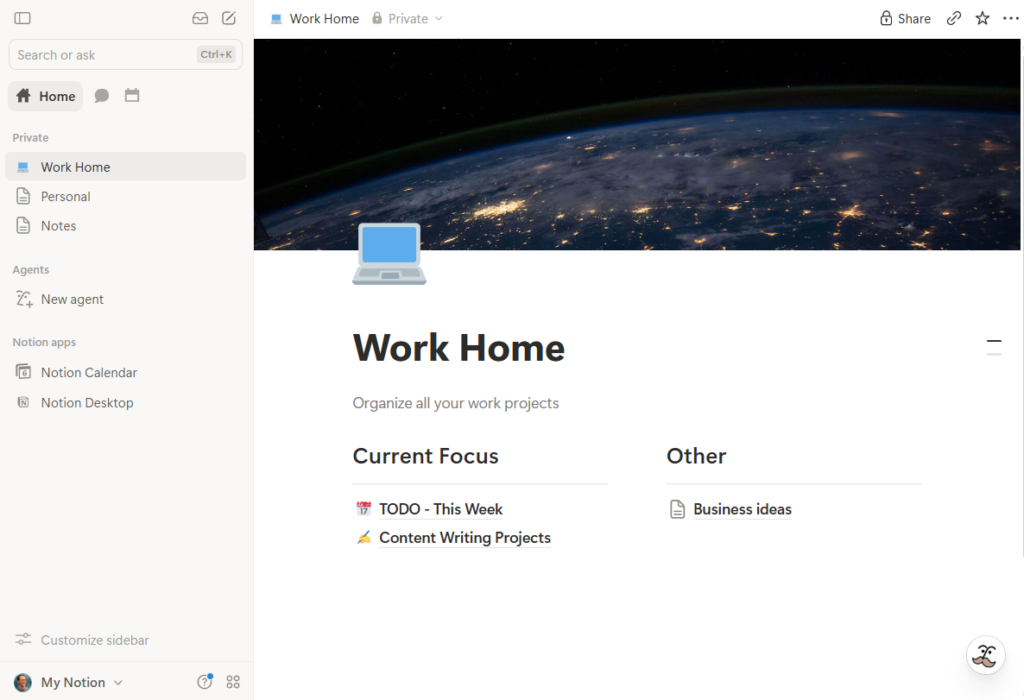
Zapier’s tester said the shift is partly a simple rebrand, but that the app is far more capable in AI than before.
AI: agents versus availability
Docs AI no longer just answers questions and drafts text. According to Zapier, it can now build databases and project trackers, bulk-update rows, add kanban or timeline views, pull data from a folder of PDF invoices and reply to comments. The tester said both Docs AI and Notion AI could recreate a working project tracker from a dragged-in screenshot and the prompt “build something like this.”
Superhuman Docs also offers AI views, which let users build interactive apps from the data in their docs without leaving the workspace. Docs AI needs a paid seat, though, and Editor seats get only a limited trial.
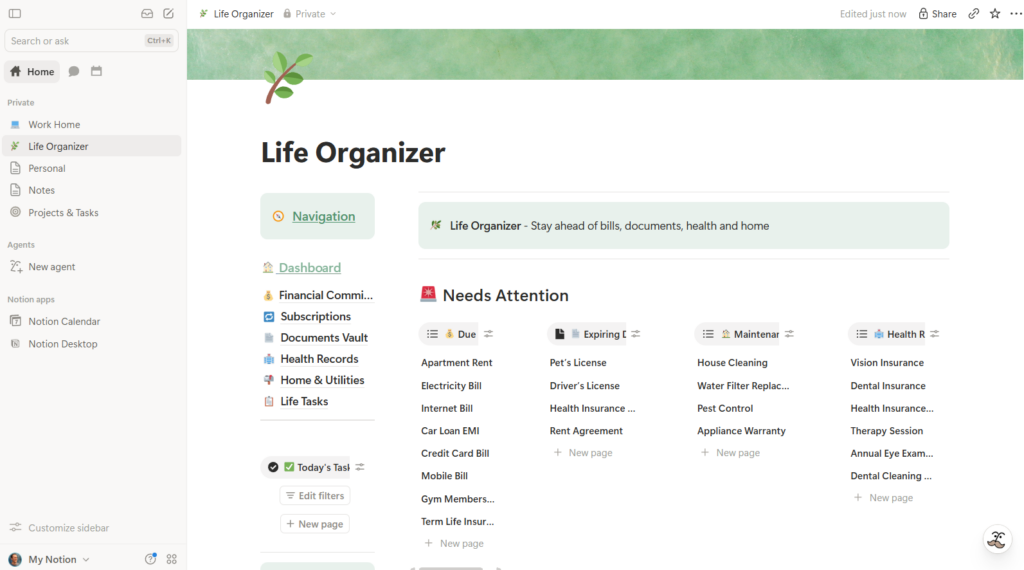
Notion AI goes further in several areas, Zapier said. It can search across connected apps such as Slack and Google Drive, act across a whole workspace, let users pick models from OpenAI, Anthropic and Google, and transcribe meetings. It is also the only one of the two that offers Custom Agents, which run workflows autonomously. Notion lists more than 150 agent templates. Superhuman recently acquired AI notetaker Fathom and plans to add meeting recording.
Notion AI requires the Business plan at $20 per user per month, billed annually. As of November 2026, Notion meters AI use with credits: 1,500 for standard tasks and 500 for specialised ones such as Custom Agents. A single task can cost 5 to 150 credits.
Pricing favours Superhuman for larger teams
Notion’s Plus plan costs $10 per user per month, against $12 for Superhuman Docs Pro, both billed annually. Superhuman Docs only charges for “Doc Makers”, the people who create docs or pages or use Docs AI. Editors collaborate for free. Notion charges every workspace user for a seat.
On that basis, a six-person team with one Doc Maker and five Editors would pay $12 a month on Superhuman Pro, versus $60 on Notion Plus. Zapier warned that Editors can be upgraded to paid seats automatically after a “Doc Maker action”, and its tester was upgraded after about 15 minutes of testing.
Structure, apps and integrations
Notion lets users nest pages, databases and toggles without limit, and has more than 30,000 templates. Superhuman Docs uses a stricter hierarchy of workspaces, folders and docs, which Zapier said suits team onboarding better but feels more rigid for solo users. Its databases and tables are stronger, with features such as voting systems and progress trackers.
Notion’s desktop and mobile apps cover macOS, Windows, Android and iOS, and include offline mode that can download recently edited docs automatically. Superhuman Docs has no proper offline mode. Its Windows app is listed as coming soon, and Zapier said its mobile apps draw user complaints about sign-in problems and lag.
Superhuman Docs offers more than 800 integrations against a little over 500 for Notion. Both have an MCP server for connecting AI tools such as Claude or ChatGPT, and both connect to Zapier. Both also have free plans: Notion caps uploads at 5MB, and Superhuman Docs at 10MB but limits shared docs to 50 objects or 1,000 rows.
Zapier’s verdict
Zapier recommends Notion for individuals and small teams that want easy setup, offline access and autonomous AI agents. It points larger or scaling organisations that focus on data work, and want AI on every paid plan, toward Superhuman Docs.
Source: Zapier Blog