Google has outlined Project Suncatcher, a plan to deploy compact AI data centers in low Earth orbit. The system would rely on near-continuous solar exposure, high-bandwidth optical networking, and radiation-tolerant TPUs. Its success now depends on real-world testing, cost trends, and long-term reliability.

Windows 10 reached its official end of support in October 2025, yet more than 41 percent of Windows users still rely on it. Strict Windows 11 hardware requirements, enterprise delays, and long-term familiarity have slowed the shift, leaving millions exposed to unpatched security risks.
Hostinger has launched Hostinger Mail, an email service built around generative AI tools that write replies, summarise long threads, and personalise communication. The company claims the system can cut inbox time by at least an hour a day while keeping user data private.
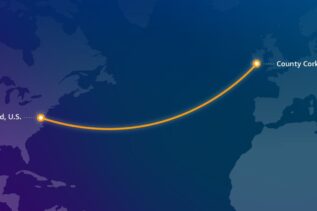
Amazon Web Services has unveiled Fastnet, a new subsea cable that will link Maryland with County Cork by 2028. The system will deliver more than 320 terabits per second of capacity and is designed to strengthen AWS’s resilience against physical disruptions to transatlantic infrastructure.
Google has removed its developer-focused AI model, Gemma, from the public-facing AI Studio platform after U.S. Senator Marsha Blackburn accused it of fabricating false criminal allegations. The incident highlights the growing risks of AI misuse, hallucination, and blurred boundaries between developer tools and public chatbots.
Microsoft’s latest Windows 11 preview build introduces an opt-in feature called ‘Ask Copilot,’ integrating AI assistance directly into the taskbar search box. The feature aims to blend AI interaction with traditional search while maintaining privacy safeguards and giving users the choice to enable or ignore it.
YouTube TV’s fallout with Disney exposed how unstable content licensing deals remain in the streaming sector, where even short disputes can disrupt service and test subscriber loyalty.
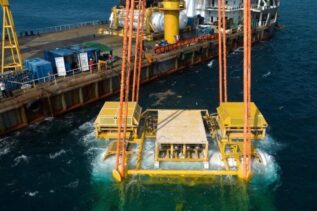
China has launched what it calls the first commercial underwater data center, a 226 million dollar project in Shanghai that combines deep sea cooling with offshore wind power. Developers claim it will reach 24 megawatts of capacity and could guide the future of large scale AI infrastructure if long term results hold.