 Tech


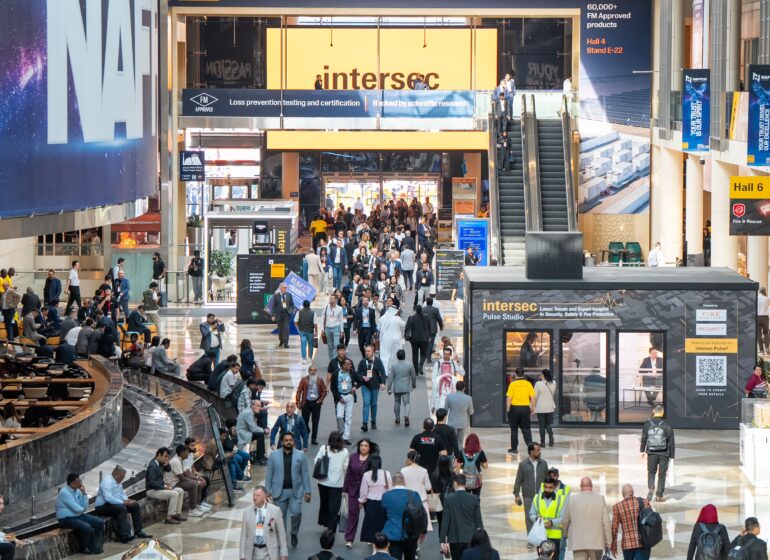
Security in the Middle East is shifting from standalone machines to connected systems, with AI and biometrics at the centre. Executives from Rapiscan and IDEMIA Public Security say the region could eventually help set global standards rather than simply follow them. The theme will anchor Intersec Global 2027, which runs at Dubai World Trade Centre from 12 to 14 January 2027.
From single machines to connected environments
Governments and operators across the region are moving away from separate screening equipment and surveillance tools. They are building integrated setups that combine technology, data and human decision-making. The aim is to spot threats earlier, coordinate responses and keep critical infrastructure running when something goes wrong.
Dubai International Airport is the example cited. Its Red Carpet corridor lets travellers clear passport control without presenting physical travel documents, and it can process up to 10 passengers at once. Verification is now reported to take 3.4 seconds, 72% less than the 12 seconds it took at launch.
A growing market
According to a report from Intersec Global, the worldwide security and safety market was worth an estimated US$1.09 trillion in 2024. It is projected to reach US$1.48 trillion by 2030, a compound annual growth rate of 5.3%. The report’s definition covers national security and law enforcement, cybersecurity, physical security and surveillance, fire and emergency response, and occupational safety.
The Middle East is expected to grow faster, at 8.2% a year. Spending on airports, transport networks, smart cities and critical infrastructure is driving that.
What the industry says
Mark Bachoura, Managing Director, UAE, at security equipment maker Rapiscan, says customers still treat detection as fundamental. They increasingly expect intelligent analytics, secure data integration, cybersecurity and remote capabilities on top. He sees AI as a support tool rather than a replacement, giving trained operators better information faster. He also argues that higher detection performance should not mean extra friction for passengers.
On regional ambition, Bachoura said:
“Over time, I believe the Middle East has the potential to help shape global security standards, rather than simply adopt them.”
Zaki Ben Yahya, Director of Sales for the Middle East at IDEMIA Public Security, points to trusted identity as the starting point for integration. Knowing reliably who someone is and what they may access lets organisations apply more consistent policies across facilities, agencies and platforms. He warns that deepfakes and other presentation attacks raise the stakes. Interoperability, he says, has to come with strong data governance, cybersecurity and privacy safeguards, especially as biometric data spreads across public and private infrastructure.
Intersec Global 2027
The event will include the inaugural Global Readiness Summit on 13 and 14 January 2027. It is billed as a leadership platform for governments, institutions, critical-infrastructure operators and industry heads. Discussion topics include how governments anticipate emerging threats, protect critical infrastructure and build systems that can adapt to changing risks.