 Tech


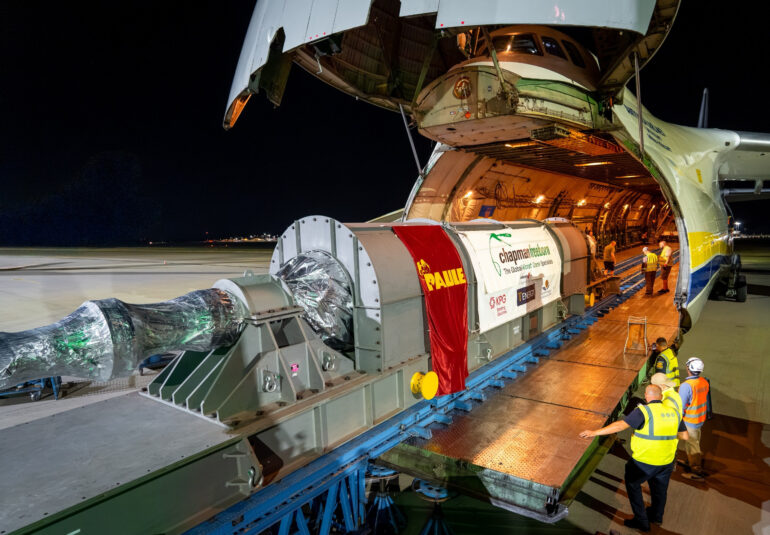
Air charter broker Chapman Freeborn has detailed how it moved a 102-tonne power plant generator rotor from Stuttgart, Germany, to Malaysia on an Antonov An-124 in July 2026. The flight needed five intermediate stops, and the route was constrained by summer heat and restrictions linked to the conflict in the Middle East.
The total cargo weight, including the rotor’s transport frame, came to 102,847 kg. The rotor had been repaired by specialists in Germany and then given a final high-speed balancing in the United Kingdom, before heading back to a power plant in Malaysia where it was needed to restore generating capacity.
Why fly it
Time was the deciding factor. Chapman Freeborn says shipping the rotor by sea would have taken roughly two months each way, depending on the ports involved. Flying it cut the time the component spent in transit considerably.
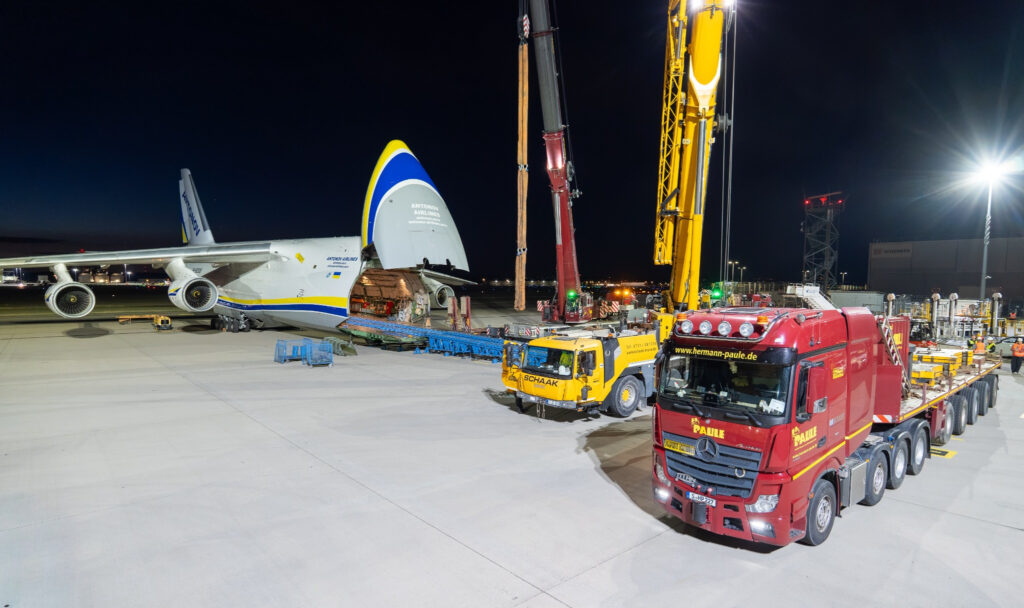
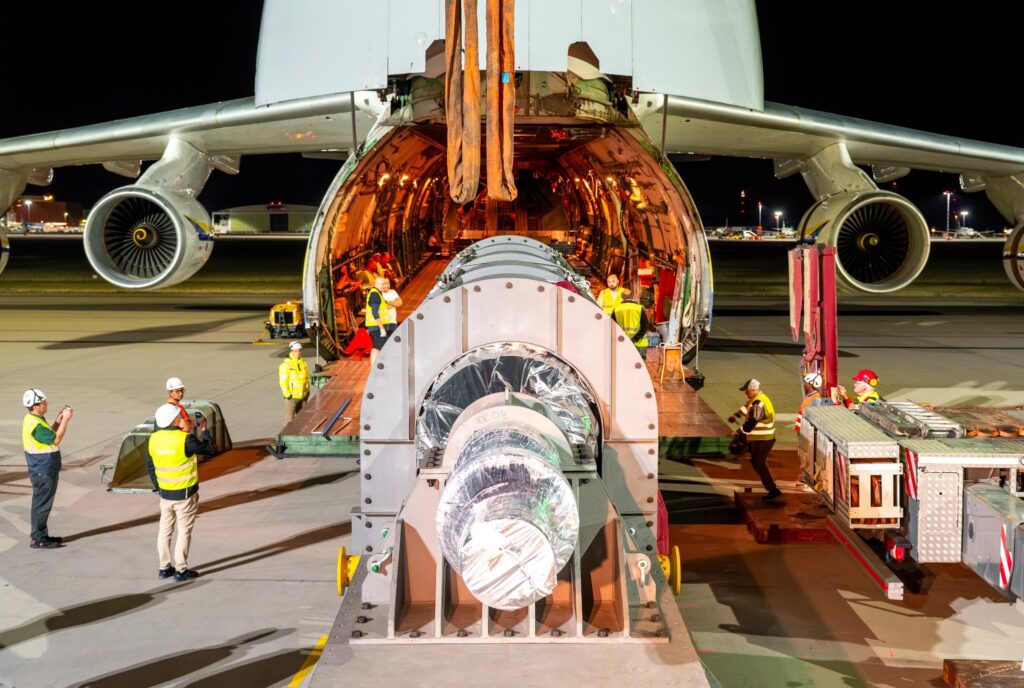
Only an An-124 could take the load. At Stuttgart Airport, specialist lifting equipment moved the rotor and its frame off a heavy-duty road transporter and into the aircraft. Ground crews had to pay close attention to positioning and weight distribution.
Five stops and a narrow route
The weight of the cargo limited how much fuel the aircraft could carry, which is why the flight had to break up into five intermediate stops. High summer temperatures added further performance considerations, and the Middle East restrictions reduced the number of usable routes.
“With a shipment of this scale, the challenge is not just finding an aircraft capable of carrying the cargo, but managing the operational constraints that come with it,” said Anton Lomakin, VP Cargo Airchartering – ASEAN at Chapman Freeborn.
Coordinating across time zones
The job was run by Chapman Freeborn’s teams in Germany and Singapore. Max Pätzel, Cargo Charter Broker in Germany, often started work at 5–6 am local time. His colleagues in Singapore were still working until 1–2 am so that decisions could be made with stakeholders in different time zones.
Beyond flight planning, the teams handled:
- cargo safety and customs inspections
- specialist handling equipment
- airport slot availability
- restrictions on oversized ground transport
Much of this had to happen in sequence, over a weekend and within narrow operational windows.
What it shows
The company says the case shows that having an aircraft available does not settle whether a heavy-lift job is feasible. Payload limits, airport infrastructure, handling requirements and available routes all shape the plan, and outside restrictions can narrow the choices further. The customer, according to Chapman Freeborn, found the process considerably easier than previous charter experiences because the team anticipated constraints and coordinated the parties involved.
The rotor reached Malaysia after the flight. Chapman Freeborn is part of Avia Solutions Group.