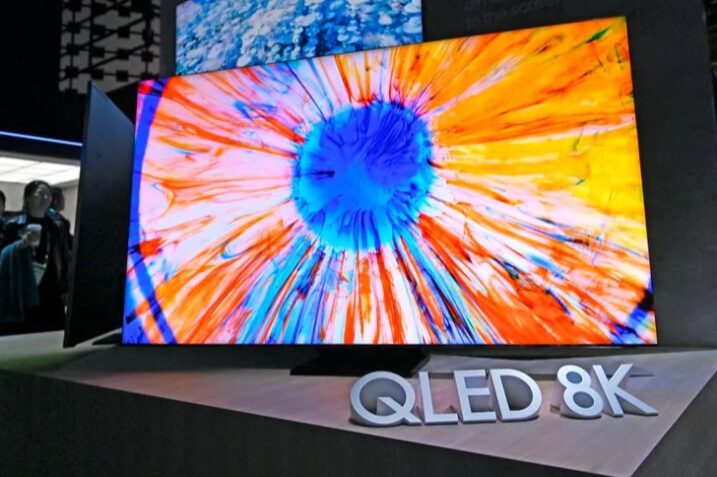
Samsung Electronics announced that its 2026 OLED TV lineup and next-generation Odyssey gaming monitors are NVIDIA G-SYNC Compatible, delivering smoother...
Microsoft has finally resolved a perplexing technical glitch that saw internal test traffic being rerouted to a Japanese industrial cable manufacturer. This routing error, which involve the standard test domain example.com, has raised questions about how such a specific misconfiguration could persist undetected for years within the world's largest software ecosystem.
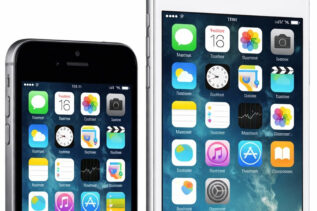
Apple has surprised the tech world by releasing updates for decade old iPhones and iPads, ensuring that services like iMessage and FaceTime stay active. Discover why these updates for old iPhone models are a game changer for longevity and how Apple is setting a new standard for long term device support.
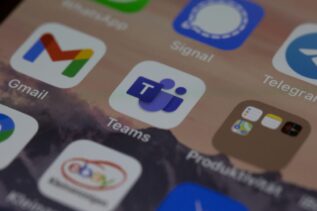
Microsoft Teams custom emojis are officially arriving to allow organizations to upload their own branded reactions, offering a new way for colleagues to communicate while raising some interesting questions about workplace professionalism.
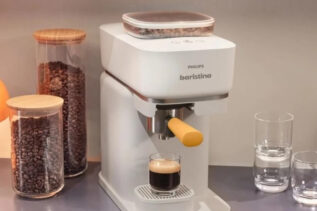
The Philips Baristina is a revolutionary bean to cup coffee machine that uses a unique one-swipe portafilter system to deliver fresh espresso without the mess or complexity of traditional espresso makers.
The Nvidia Earth-2 digital twin is a revolutionary open platform that uses generative AI and high-resolution simulation to predict global weather patterns and extreme storms with unprecedented speed and accuracy.
Dreame Technology has officially introduced its latest floor care innovations at Stanford University, debuting the H16 Pro Steam with dual AI robotic arms and high temperature sterilization to simplify home maintenance.
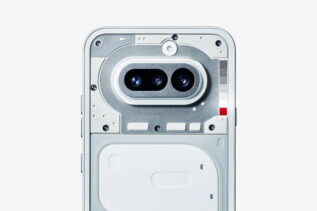
Nothing phone 4 won’t be released in 2026 according to Nothing’s CEO, who confirmed the company is skipping its next flagship to make upgrades more meaningful. In place of a full flagship we will see the mid-range Nothing Phone 4a series, which carries updated design cues and performance features. This shift reflects broader changes in the smartphone industry and how brands are approaching product development.