A major YouTube outage in the United States recently left thousands of users unable to access videos or use the app, sparking widespread frustration and reports on DownDetector.
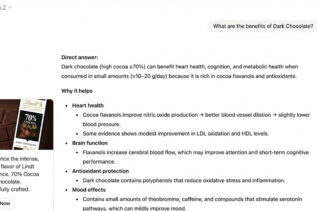
OpenAI has started rolling out its first live test of ads in ChatGPT for users in the United States, marking a major shift in how the world’s most popular AI assistant is funded.
New reports suggest that the iPhone 17e is just around the corner, bringing massive internal upgrades like the A19 chip and MagSafe while surprisingly holding onto its entry level price point.
Recent reports suggest that Apple Fitness Plus is currently under internal review, leading to rumors that the service could soon be folded into the main Health app to combat high churn and low revenue.
Microsoft has set the final dates for the end of Exchange Web Services in the cloud, pushing users to move toward more secure and modern alternatives before the 2027 deadline.
Android has always been about freedom, but the leaked Android 17 shows Google is making some big moves, one of which might change the soul of Android forever.
Alexa+ is officially out of early access and available across the US, but while Prime members get the full AI experience for free, everyone else is looking at a hefty monthly fee or a restricted text-only version.