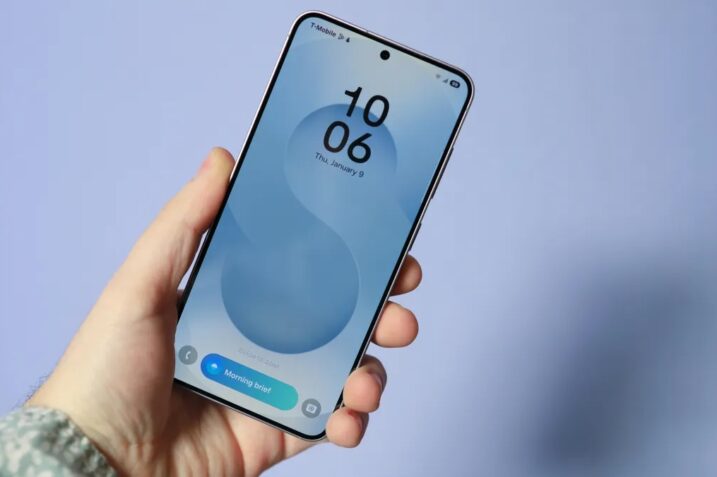
Google has begun rolling out a major Fitbit app update that integrates Gemini AI, offering personalized coaching on fitness, sleep, and wellbeing. The update is currently in public preview for Premium users in the US on Android.
YouTube TV’s fallout with Disney exposed how unstable content licensing deals remain in the streaming sector, where even short disputes can disrupt service and test subscriber loyalty.
A fake Nvidia keynote featuring an AI-generated Jensen Huang drew nearly 100,000 viewers on YouTube before it was removed, exposing how easily deepfakes can outrank real events and push crypto scams to unsuspecting users.
Google Maps has refined its Android Auto layout with a cleaner centered navigation banner and is experimenting with a battery-saving mode that uses a black and white interface to extend phone life during navigation.
Snapmaker’s long-awaited U1 3D printer is finally available for pre-order after raising over $20 million in crowdfunding. Packed with automation, four independent toolheads, and speeds up to 500 mm/s, it could redefine desktop printing if its ambitious promises hold up in real-world use.
NHS trusts are struggling to finish their Windows 11 upgrades because several medical device suppliers have not made their hardware compatible. This leaves essential systems running unsupported software and exposes hospitals to significant cyber risk.
Semrush has introduced Semrush One, a platform built to help marketers stay visible as AI assistants change how people search online. It blends classic SEO analytics with AI visibility tracking to show how brands appear across systems like ChatGPT, Gemini, and Perplexity. The tool targets the growing challenge of declining organic reach and offers a way for businesses to adapt as AI becomes a primary discovery channel.
Minisforum’s new MS-02 Ultra steps outside traditional mini PC dimensions, but the additional volume allows for hardware and expansion options that rival compact workstations.