A new ultra compact computer from China manages to fit a dedicated Nvidia graphics card into a chassis the size of a lunchbox, offering high end gaming in a portable form factor.
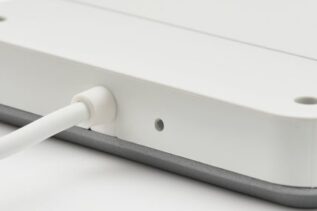
IKEA is expanding its tech lineup with three new wireless chargers that support the faster Qi2 standard, including a unique model that doubles as a phone stand.
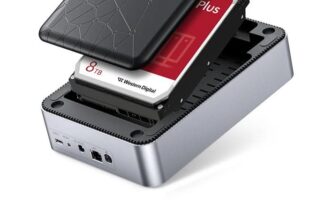
Orico has released a compact network attached storage device that looks more like a vintage radio than a piece of server hardware, complete with a functional control knob.
Bybit, the world’s second-largest cryptocurrency exchange by trading volume, has launched BYUSDT, a proprietary token developed entirely in-house by Bybit and available exclusively to VIP...
Alkami Technology, Inc., a digital sales and service platform provider for financial institutions in the U.S., today announced the launch of Alkami Foundry (Foundry),...
OpenAI plans to launch an "adult mode" for ChatGPT in early 2026, using an AI-based age prediction system to allow more mature conversations while keeping younger users safe.
Asus is joining the 5k monitor market with a new ROG Strix model that targets both high-speed gaming and professional color work, though a lack of widespread support for the resolution remains a hurdle.
Intel has launched the Arc Pro B50, a new graphics card designed for professional work at a low price. While it offers good performance for its $300 cost, older NVIDIA cards are currently on sale and provide strong competition for people on a budget.