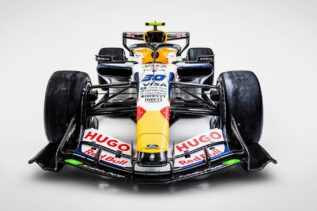
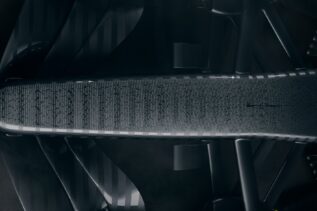
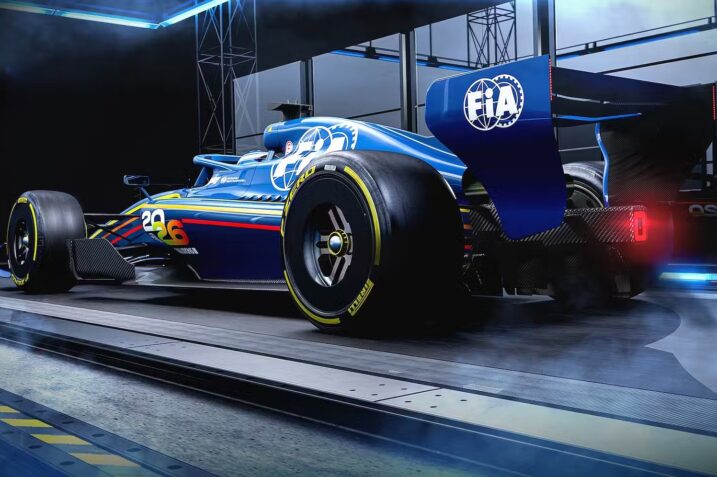
The team formerly known as Minardi has unveiled its new look for the 2026 season, opting for a shimmering deep blue that suggests they are finally ready to stop being Red Bull’s little brother.
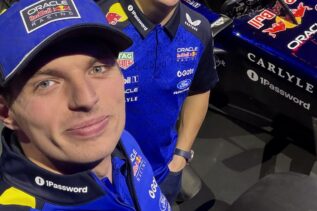
As Red Bull sheds its Honda skin for a Ford-powered future, Max Verstappen is preparing for a season where the only certainty is that nobody has a clue what happens next.
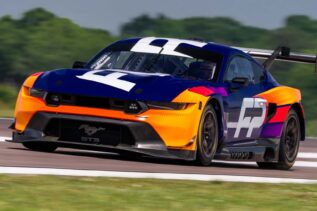
The Ford WEC Hypercar engine revealed at the 2026 season launch event is a naturally aspirated 5.4 liter V8 based on the iconic Coyote architecture, signaling a return to old-school muscle for the 2027 Le Mans season.
Cadillac has revealed a special black and silver livery for pre-season testing in Barcelona, but fans will have to wait until the Super Bowl to see the real racing colors for 2026.
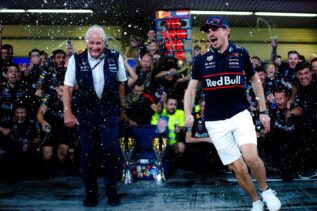
Max Verstappen has confirmed he intends to honor his Red Bull contract through 2028, even as longtime advisor Helmut Marko steps down after 20 years with the team.
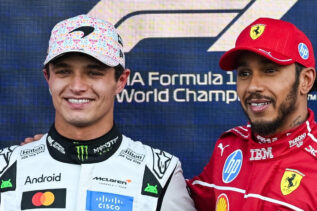
After winning his first World Championship in 2025, Lando Norris has publicly apologized for "stupid" comments he made about Max Verstappen and Lewis Hamilton. The McLaren driver is using his new platform to emphasize respect for the legends of the sport as he prepares to defend his title in 2026.
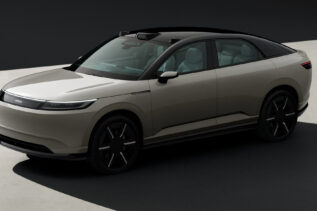
At CES 2026, Sony Honda Mobility debuted a new SUV prototype under its Afeela brand. This move shifts the focus away from their original sedan as the companies realize that entering the electric vehicle market requires a car that matches current buyer habits.