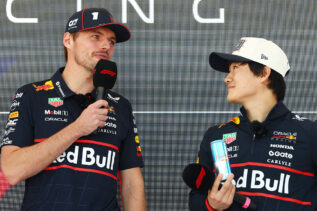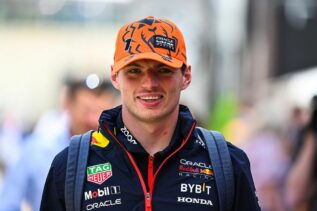
Max Verstappen heads into Sao Paulo wary of the weather. Despite last year’s dramatic wet-weather victory from 17th on the grid, the Red Bull driver believes that rain in 2025 favours McLaren, not him, and warns that the championship fight could tilt further depending on conditions.
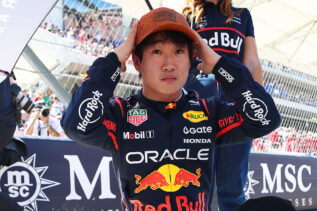
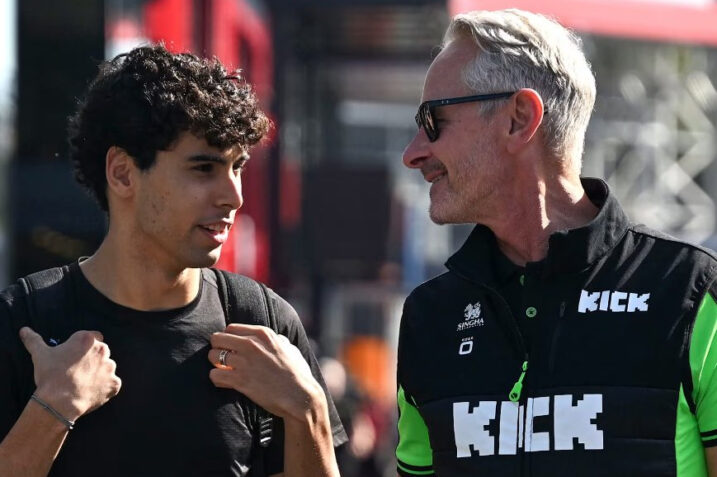
Media predictions on Yuki Tsunoda’s 2026 future are divided, with British outlets expecting Isaac Hajar’s promotion and several European outlets seeing a real chance of Tsunoda staying. Red Bull’s restructured leadership has eliminated the usual insider leaks, creating an unusually quiet environment around a major decision that blends performance, politics, and long-term planning.
Verstappen has cut a 104 point deficit to thirty six and can still win the 2025 title if results fall his way. With four races and two sprints remaining, Red Bull is analysing every scoring scenario as the battle with McLaren enters its final stage.
RaceWatch has become the backbone of FIA race operations, handling ninety five percent of track limit checks and supporting decisions across Formula 1 with automated analysis that works in under one second. After fifteen years of development, it now forms the core of modern race management.
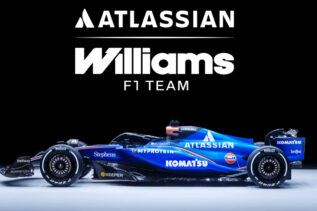
Williams will revive its historic "Forward W" logo and adopt the name Atlassian Williams F1 Team from the 2026 season. The rebrand reflects the team’s recent competitive resurgence and aims to connect its championship-winning legacy with a new generation of fans.
Max Verstappen targets another emotional victory at Interlagos while Yuki Tsunoda enters the Sao Paulo Grand Prix with confidence in his race pace and a chance to strengthen his future with Red Bull. With rain expected and a sprint format in play, both drivers see opportunity in the chaos.
Williams Racing will rebrand as Williams F1 Team from next season, introducing a new logo inspired by Frank Williams’ original design. With strong results under James Vowles and renewed backing, the iconic British team is finally starting to look competitive again.
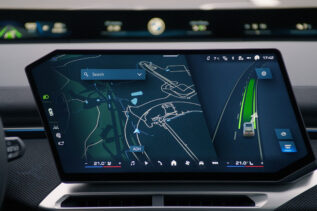
BMW has become the first automaker to achieve approval under the groundbreaking UN Regulation No. 171 for Driver Control Assistance Systems (DCAS). This milestone eliminates fragmented European legal barriers and sets the stage for rapid global deployment of advanced "hands-off" driving technology over the next few years.