Microsoft is aware of a bug causing the File Explorer in Windows 11 to flash white when users open or close folders. The issue has been reported widely across recent versions, including the latest Windows Insider builds, and the company is working on fixes to address the visual glitch.

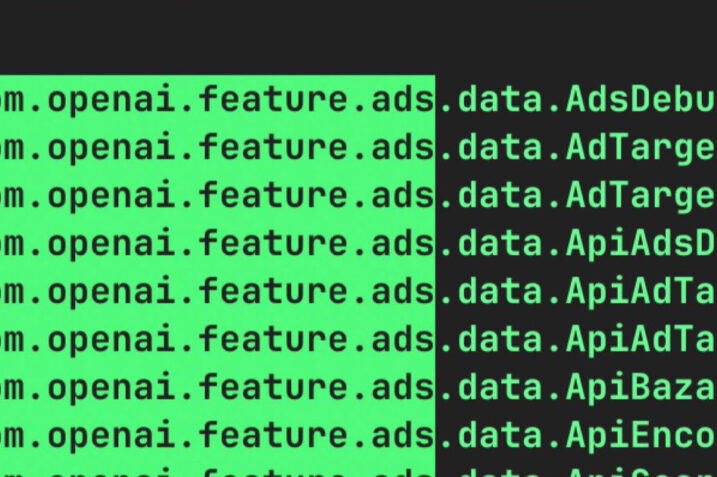
OpenAI CEO Sam Altman has issued an internal code red alert, directing teams to pause work on ads, shopping features, health agents, and the Pulse personal assistant to focus entirely on making ChatGPT faster, more reliable, and capable of handling a wider range of questions. The move comes as Google’s Gemini 3 model gains ground on benchmarks and user metrics, three years after ChatGPT’s launch prompted Google’s own code red response.
A new study from Italy’s Icaro Lab finds that simply rewriting dangerous requests as poems can bypass safety filters in many leading AI chatbots. The researchers report a 62 percent success rate in getting prohibited responses from 25 large language models, raising fresh concerns about how easily creative prompt attacks can undermine AI safety systems.
Netflix has taken out the ability to cast shows and movies from its mobile app to most modern TVs and streaming devices, directing users to rely on built in TV apps and remotes instead. Casting only remains on some older Chromecast and Google Cast devices, and even there access is limited by subscription tier.
Dell says enterprises are upgrading to Windows 11 far more slowly than expected, forcing the PC maker to predict flat business PC sales despite millions of aging machines becoming incompatible.
As ChatGPT marks its third anniversary, OpenAI has shared new usage data revealing how people actually use the world’s most popular AI tool. The findings show a strong preference for practical assistance over creative experimentation.
Google’s new AirDrop-style sharing feature on the Pixel 10 has launched with unexpected issues, as some users report Wi-Fi connectivity breaking when Quick Share is activated.
The FBI says cybercriminals have already stolen more than $262 million this year through account takeover scams, with AI-driven phishing and social engineering making attacks harder to detect and easier to execute.