
Okay, so I got a chance to see some leaked images of the upcoming Android 17, and you know what? There’s one big change here that might make Android a bit too much like the iPhone. See, Android has always been that open-source, “do-whatever-you-want” OS. You want to install a random app from a website? Easy. You want to block ads? No problem. But sadly, Android 17 has four big changes and one “dark change” that could honestly change the platform forever.
Table of Contents
The iOS-ification of Android
The first thing you’ll notice in the leaked version is purely visual. We are getting a split notification center, yes, exactly like iOS, and honestly, like what we’ve seen in HyperOS and One UI lately. Google is also doubling down on blur effects. Everything from the volume panel to the power menu now uses a tinted, dynamic blur that lets you see a frosted version of your wallpaper behind it.
On the bright side, the screen recording menu is now a floating pill-shaped window. It’s way cleaner and gives you all the controls in one place while you’re recording. And finally, proof that there is a God, Android 17 will have separate toggles for Wi-Fi and Mobile Data again. It’s late, but we’ll take it.
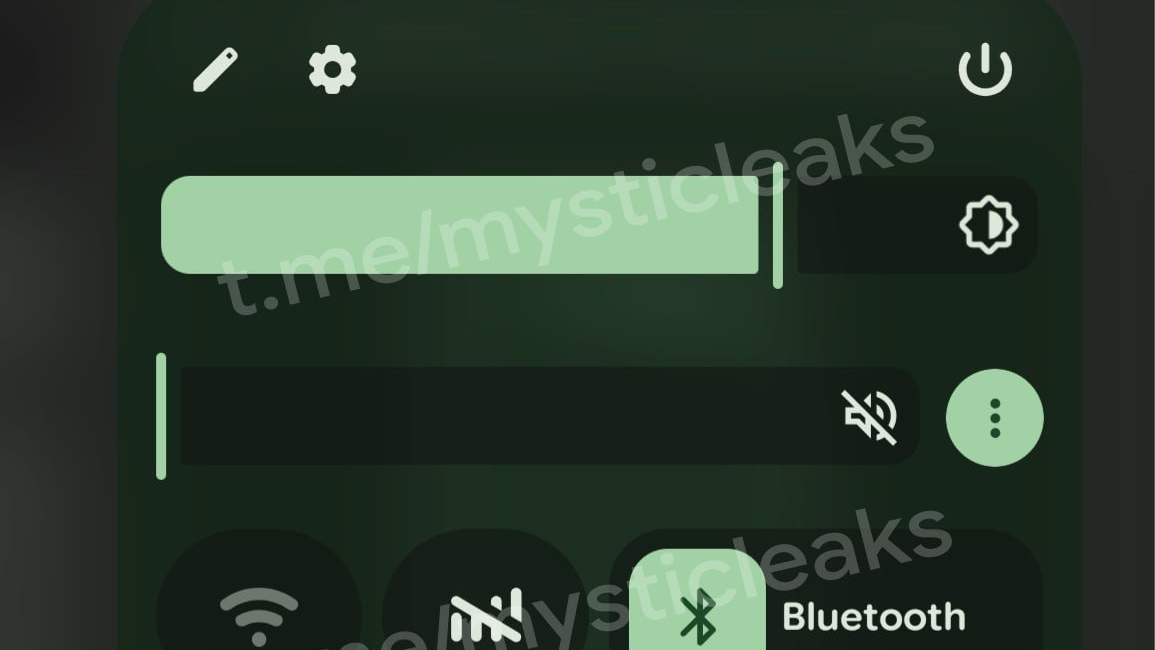 Image source – X
Google’s version of DeX
Next up, Google is building its own Samsung DeX-style desktop mode. When you connect your phone to a monitor, it actually starts behaving like a PC. You get a real taskbar, you can resize windows, and you can even snap apps side-by-side. We didn’t expect this to arrive so early, but it’s actually looking pretty solid.
An all-new ‘Minimum’ mode
There’s also something called Minimum Mode. Think of this as a supercharged Always-On Display. Currently, AOD is just a glorified clock. But with Minimum Mode, third-party apps like Google Maps or fitness trackers can show live info, like your next turn or your heart rate, right on the lock screen without you ever having to wake up the phone.
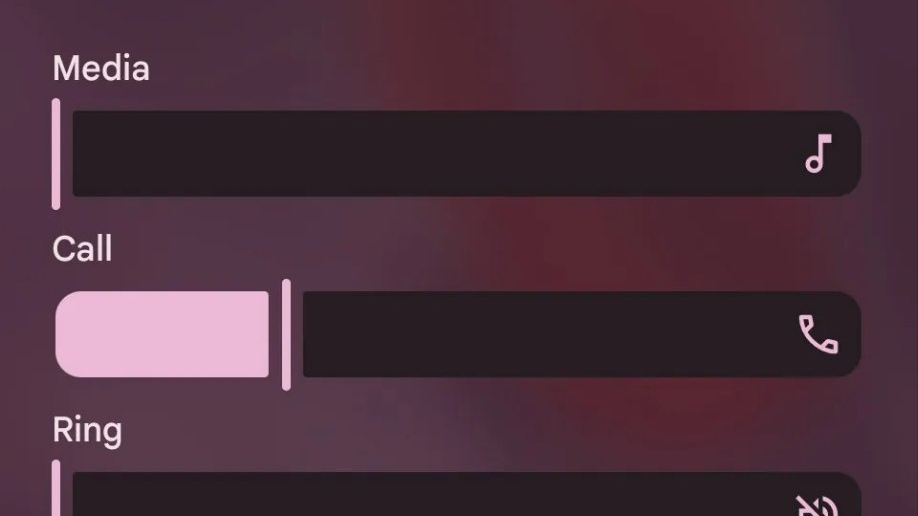 Image Source – X
FRP and Native App Lock
On the security front, Android 17 is making it way harder to use a stolen phone. If someone tries to factory reset your device without permission, it enters a lock loop. The phone becomes completely unusable until the original owner signs in.
Also, we’re finally getting a native App Lock built directly into the system. Just long-press an icon, hit “Lock App,” and you’re done. No more downloading sketchy third-party app lockers filled with ads. This is personally something I have been wanting to see on Android, and it is good to see this feature getting baked into the OS.
Android 17 could end the era of side loading apps
Now, for the part that really hurts, and that is App Sideloading. Usually, on Android, if an app isn’t on the Play Store, you just grab the APK and install it. But Google is moving toward a “Verified Developer” system. They are going to certify certain third-party stores (like the Epic App Store), which sounds great at first.
But here’s the catch now – Google wants every developer to verify their identity with a government ID and pay a fee to be “trusted”. If they don’t? You’ll get massive warnings, or you might not be able to install the app at all. This basically kills the “open” nature of Android for modded apps, piracy apps, or anything Google doesn’t put its stamp on.
Android 17 is a bit of a mid-life crisis for Google. On one hand, you’re getting amazing features like Desktop Mode and a native App Lock that we’ve wanted for years. But on the other hand, it feels like Android is losing its soul. By making sideloading harder and copying the iOS “walled garden” aesthetic, the gap between the two platforms is basically disappearing. It’s a great update for your parents who want a secure phone, but for core enthusiasts? It feels like the end of an era.