
It is not every day that the largest video platform on the planet simply stops working, but that is exactly what happened recently when a massive YouTube outage in the United States took place. For a few hours, the digital world felt a little quieter and a lot more frustrated. Whether you were trying to catch up on the latest tech reviews, watch a cooking tutorial, or just put on some background music while working, the spinning wheel of death was the only thing greeting most people.
This was not just a minor glitch affecting a handful of accounts. It was a widespread event that hit various regions across the country at once. While we often take the stability of giant platforms for granted, events like this serve as a sharp reminder that even the most sophisticated infrastructure in the world is not immune to technical failure.
Table of Contents
What was the timeline of the disruption?
The trouble began on a Tuesday evening when reports started flooding into monitoring sites. According to data from DownDetector, the YouTube outage in the United States peaked with thousands of individual reports within a very short window of time. The spike was sudden and aggressive, suggesting a significant backend failure rather than a slow degradation of service.
Most users reported that they could get to the homepage, but the videos themselves refused to load. Others found that the mobile app would simply crash upon opening. By the time the clock hit 9:00 PM Eastern Time, the volume of complaints had reached a fever pitch. Social media platforms like X, formerly known as Twitter, were immediately filled with screenshots of error messages and the hashtag YouTubeDown began to trend globally.
Understanding the DownDetector outage map
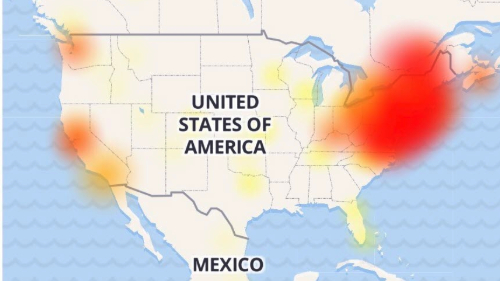
When a service goes dark, one of the first places people look is the DownDetector outage map. During this particular event, the map showed heavy concentrations of red and orange across major metropolitan areas. New York City, Los Angeles, Chicago, and Dallas seemed to be hit the hardest. This geographic clustering is typical for a YouTube outage in the United States because these cities house the highest density of users and data center traffic.
It is interesting to note that while the primary focus was on the US, there were trailing reports from other parts of the world, though they were nowhere near as severe. This suggests that the issue might have been related to specific regional servers or a routing problem within the North American network. For the average person sitting at home, seeing that giant red blotch on a map is often the only confirmation they get that the problem is not their own Wi-Fi router.
The impact on YouTube TV and Music
One of the most frustrating aspects of this situation was that it was not limited to the main video site. Many people who have ditched traditional cable for YouTube TV found themselves staring at blank screens during prime time viewing hours. Since YouTube TV relies on the same core delivery infrastructure, the YouTube outage in the United States effectively blacked out live television for a huge segment of subscribers.
Similarly, YouTube Music users were left without their playlists. Because these services are so deeply integrated, a failure in the main video delivery system often creates a domino effect across the entire Google ecosystem. This level of interconnectedness is great for convenience when everything is working, but it creates a single point of failure that can disrupt multiple aspects of a user’s digital life at once.
Google is usually pretty quick to acknowledge when things go wrong, though they tend to keep the technical details close to their chest. As the YouTube outage in the United States unfolded, the official TeamYouTube account on social media posted that they were aware of the issues and were working on a fix. They did not provide a specific reason for the downtime, which is standard practice during an active investigation.
Often, these types of disruptions are caused by a botched software update or a configuration error in the Domain Name System. When you are dealing with a platform that handles billions of hours of video, even a tiny mistake in the code can have massive consequences. By late Tuesday night, the company confirmed that services were beginning to stabilize and that most users should see things returning to normal.
What to do when the screen goes dark
When you find yourself caught in a YouTube outage in the United States, there are a few steps you can take to make sure the problem isn’t on your end. First, check a site like DownDetector to see if others are reporting the same thing. If the map is lit up, there is no point in resetting your router or uninstalling your app.
If the outage is confirmed, the best thing to do is simply wait. These companies lose a significant amount of advertising revenue for every minute they are offline, so they are highly motivated to get back up and running as fast as possible. You can also try switching from your home Wi-Fi to cellular data to see if the issue is restricted to a specific internet service provider, though in a major national outage, this rarely makes a difference.