Game platforms face a basic communication problem. They need to show future software to keep players engaged, developers confident, and partners aligned. At the same time, modern games take longer to build, cost more to produce, and change shape late into development. Large annual showcases force studios to lock messaging too early or stay silent for too long. Xbox Partner Previews exist to resolve this pressure by creating a flexible channel that sits between silence and overcommitment.
The practical issue begins with development timelines. Large games now operate on production cycles that stretch five to seven years. Visual targets, gameplay systems, and even platforms can change mid cycle. A traditional flagship showcase demands certainty. Dates, footage, and promises become fixed points that are hard to revise without backlash. Partner previews reduce this risk by allowing smaller slices of information to surface when they are ready rather than when a calendar demands it.
This format also addresses a structural mismatch between first party and partner content. Microsoft owns studios with long term platform obligations. Third party partners do not. Their incentives differ. A first party game can afford to align tightly with Xbox hardware or services. A partner title may be shipping on multiple platforms with staggered marketing beats negotiated across companies. Partner previews give Microsoft a way to host those games without forcing them into a narrative built around Xbox exclusivity or hardware selling.
Once this separation exists, the type of content shown can change. Partner previews focus on deeper looks rather than announcements. The reason is practical. Most partner games revealed here are already known quantities. The problem is not awareness but understanding. Players want to know how a game actually plays, how systems connect, and whether early interest still holds. Short focused segments reduce noise and let developers explain constraints, mechanics, and scope without competing against blockbuster reveals.
This matters for games like licensed titles or new IPs with heavy expectations attached. A James Bond game carries decades of player assumptions. A fantasy action title built by a newer studio carries uncertainty around execution. A controlled preview allows developers to frame what the game is and just as importantly what it is not. Without this space, players fill gaps with assumptions that later turn into disappointment.
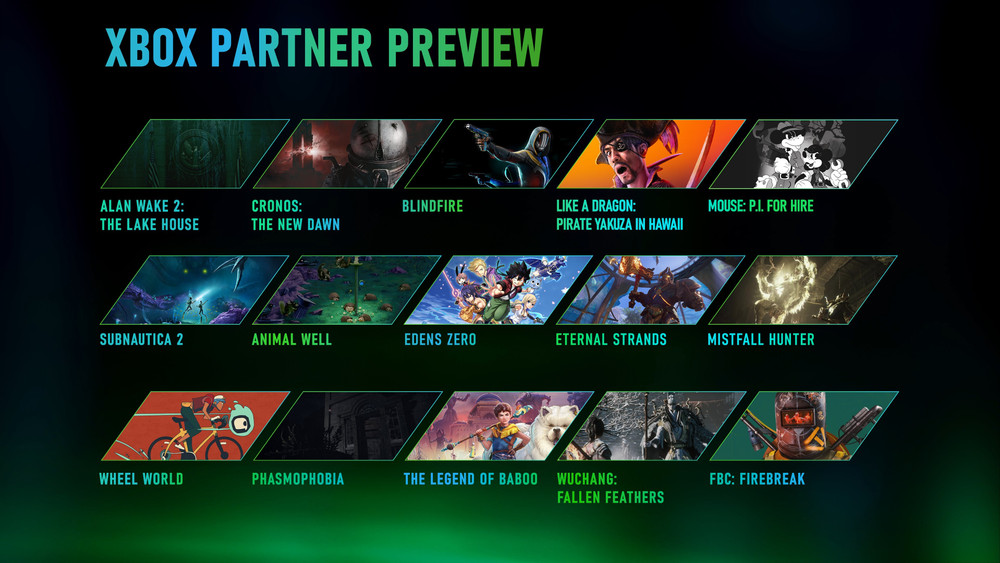
There is also a platform level reason for this format. Xbox no longer positions itself as a single box under a television. It is a service ecosystem spanning console, PC, cloud, and subscription libraries. A massive showcase struggles to communicate this without becoming abstract. Partner previews anchor the ecosystem in specific playable experiences. Each game implicitly demonstrates where and how it fits without requiring platform speeches or feature breakdowns.
This approach reduces friction in audience attention. Large events demand sustained focus across dozens of announcements. Partner previews are shorter and narrower. Viewers arrive knowing they will see gameplay and leave with concrete information. This clarity improves trust. When players trust that a format will respect their time, engagement increases even if the scale is smaller.
Another constraint being solved is marketing bandwidth. Major showcases are expensive and limited in frequency. Partner previews can be scheduled more flexibly and adjusted around development readiness. This allows Microsoft to maintain a steady cadence of communication without forcing every title into a single annual window. For partners, this reduces pressure to hit artificial milestones just to appear on stage.
From a development perspective, this matters. Showing gameplay publicly freezes design choices. Feedback becomes louder and harder to ignore. A partner preview, by being scoped and contextual, allows developers to show systems that are stable while holding back elements still in flux. This reduces the risk of players interpreting placeholder content as final promises.
The presence of anticipated games in these previews also serves another operational role. It spreads risk. If one title underperforms expectations, it does not define the entire platform narrative for the year. The impact remains localized. This is healthier for both Microsoft and its partners, especially in an industry where delays and reworks are common.
There is also a signal to developers embedded in this structure. Xbox is positioning itself as a platform willing to share spotlight without ownership. That matters to studios deciding where to invest marketing resources. A partner preview communicates that third party titles will not be overshadowed by internal priorities during these moments. The format exists specifically for them.
Technically, these previews allow for better production quality per segment. Fewer games mean more time per title. More time allows for clearer explanations of mechanics, pacing, and player choice. This reduces misinterpretation and aligns player expectations with what the game can realistically deliver.
This format also reflects a change in how players consume information. Audiences now prefer direct gameplay breakdowns over cinematic trailers. Partner previews lean into this by prioritizing systems, combat flow, and world interaction. This approach filters out casual hype and speaks to players who want to make informed decisions about where to spend time and money.
Finally, the partner preview structure creates accountability. If a game appears here, it implies a level of readiness. Not a release date guarantee, but a confidence that the core experience can be shown and discussed. This threshold discourages premature reveals while still allowing progress to be visible.