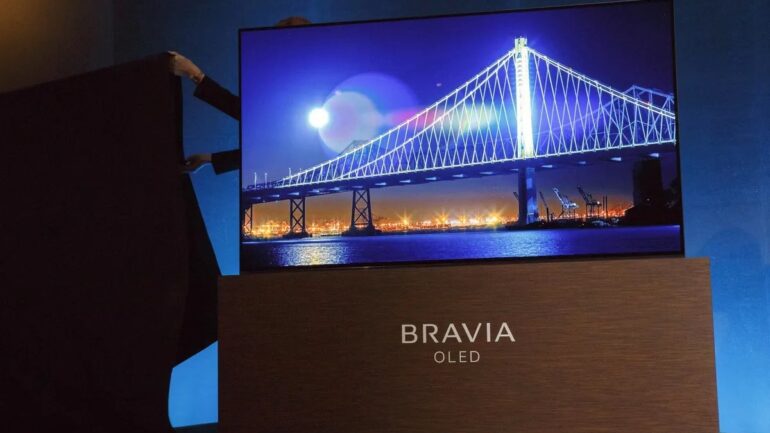

Sony just made a move that is going to shock a lot of people, especially in Japan. The company announced it is selling majority control of its Bravia television business to TCL, one of the biggest TV manufacturers in China. Sony will hand over a 51 percent stake to TCL while keeping 49 percent for itself. For a brand that has been synonymous with high quality televisions since the Trinitron days, this represents a massive change in direction.
Table of Contents
What you need to know about the deal in general
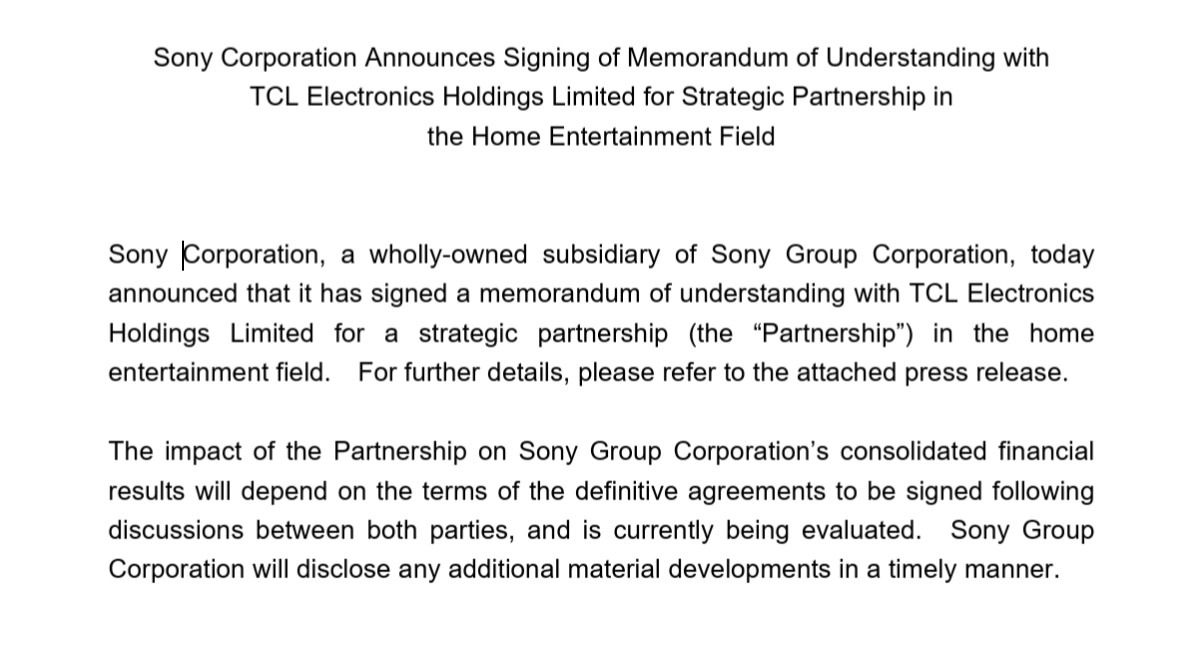
The two companies are forming a joint venture that is set to begin operations in April 2027, assuming it gets all the necessary regulatory approvals. The new combined business will continue selling televisions under the Sony and Bravia branding, but it will be using TCL’s display technology. Sony is bringing its expertise in picture and audio quality, supply chain management, and overall brand reputation. TCL is contributing its vertical supply chain strength, global market presence, and cost efficiency in manufacturing.
Sony CEO Kimio Maki said the partnership aims to create new customer value in home entertainment. TCL Electronics chairperson DU Juan talked about elevating brand value, achieving greater scale, and optimizing the supply chain to deliver better products. Those are the kinds of statements companies make in press releases, but what it really means is that Sony could not compete profitably on its own anymore and needed help.
What made Sony take this shocking decision
The television business has become brutal over the past decade. Margins are thin, competition is fierce, and consumers have gotten used to paying less for bigger screens. Sony is competing against Samsung and LG from South Korea, Hisense and TCL from China, and a bunch of smaller manufacturers who can undercut everyone on price. Making money selling televisions has gotten harder and harder, especially at the volumes needed to justify keeping entire manufacturing operations running.
Sony has been slowly backing away from consumer electronics for years. The company sold off or shut down its PC and tablet businesses. Its smartphone division is barely hanging on. The television business was one of the few remaining areas where Sony still had a major presence in consumer electronics, but even there the writing has been on the wall. Sony stopped making its own LCD and OLED panels some time ago, relying instead on buying them from suppliers like LG Display and Samsung Display.
Meanwhile, TCL has been ramping up its production capabilities. The Chinese company recently purchased LCD panel patents from Samsung and took over one of Samsung’s manufacturing plants in China. TCL now has the infrastructure and scale to produce displays efficiently and cheaply, which is exactly what Sony needs if it wants to stay competitive in the television market.
Sony is not the first Japanese brand to do something like this
Sony is not the first Japanese electronics company to struggle in the television business. Toshiba and Hitachi have already completely exited the TV market. Panasonic still makes televisions, but its presence is much smaller than it used to be. The shift from bulky CRT televisions to flat panels changed everything, and many Japanese manufacturers struggled to compete once manufacturing moved to countries with lower costs.
The irony is that Sony pioneered many of the technologies that made modern flat panel TVs possible. The company developed LED backlighting, quantum dot technology, and was among the first to bring OLED televisions to market. Sony’s contributions to display technology are significant, but inventing the technology and profitably manufacturing products using that technology are two different things.
So, what happens to the BRAVIA brand?
The big question everyone is asking is what happens to the quality and reputation that made Sony TVs desirable in the first place. People paid premium prices for Bravia televisions because they trusted Sony to deliver excellent picture quality, good sound, and reliable performance. The brand survived in a competitive market specifically because there were customers willing to pay extra for those qualities.
Sony is betting that combining its expertise in picture and audio processing with TCL’s manufacturing efficiency will let them keep delivering high quality products while being more competitive on price. Whether that actually works out depends on how well the two companies can integrate their operations and whether TCL is willing to maintain the standards that Sony customers expect.
There is also the question of how the market will react. Some consumers might not care who manufactures their TV as long as it has the Sony name and performs well. Others might view this as Sony giving up on quality and decide to look at Samsung or LG instead. A lot depends on the execution and whether the first generation of TVs from this joint venture lives up to expectations.