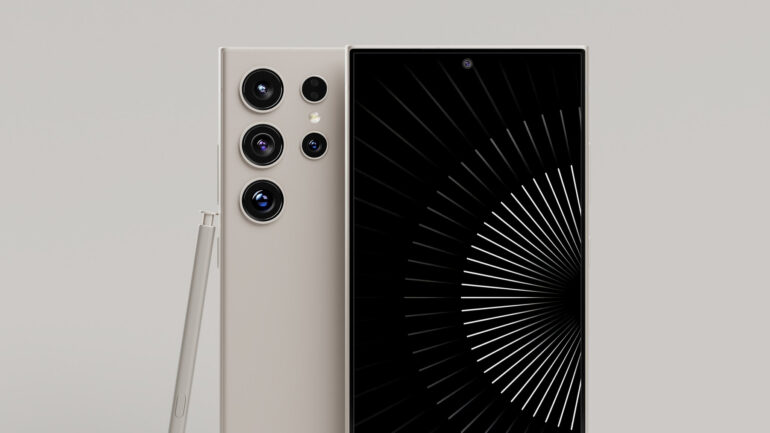

If you have ever used a Google Pixel, you probably know that one of its best “hidden” perks is how well it handles phone calls. While other phones just ring and hope for the best, Pixels actually listen for trouble. Now, it looks like Samsung is ready to follow suit. Recent leaks suggest that Samsung Galaxy S26 scam detection is going to be a headline feature for the next generation of flagship phones, effectively porting over one of Google’s most praised security tools.
This move makes a lot of sense for Samsung. They have been pushing their “Galaxy AI” branding hard lately, and using that processing power to protect users from losing money to a fraudster is a practical way to show what AI can actually do.
How the system spots a fraudster in real time
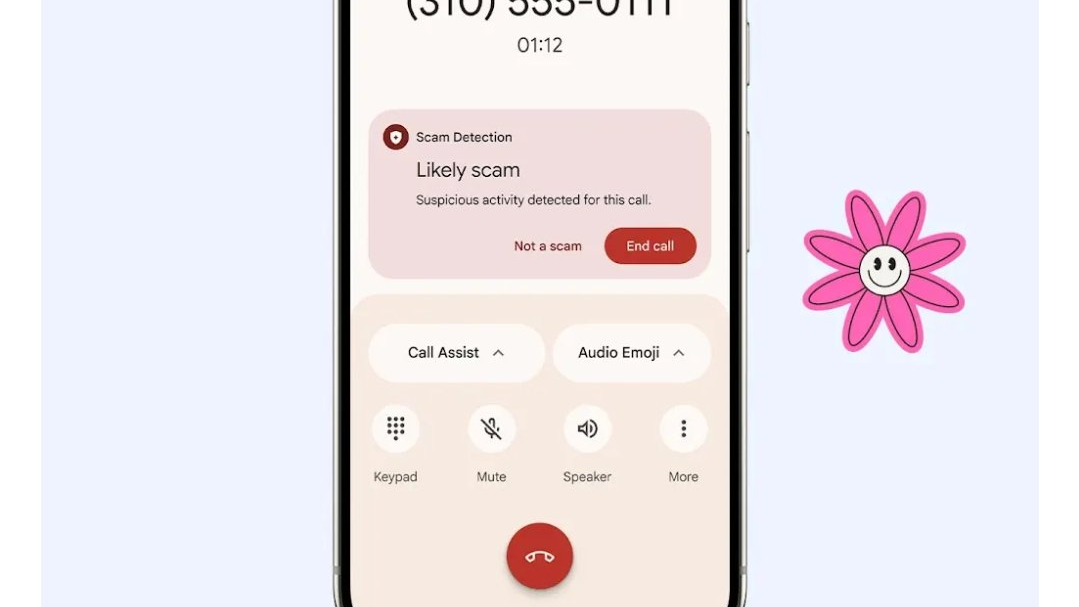
The way this technology works is pretty clever. It does not just look at the phone number to see if it has been reported as spam before. Instead, Samsung Galaxy S26 scam detection will likely use on-device AI to analyze the actual conversation as it happens.
If a caller starts asking for urgent bank transfers, gift card codes, or personal identification info, the phone recognizes these as red flags. It then pops up a warning on your screen or gives you a haptic buzz to let you know that the person on the other end might not be who they claim to be. Because the processing happens right on the phone and not in the cloud, your private conversations stay private.
Closing the gap between Galaxy and Pixel
For years, Samsung users have looked at Pixel features like Call Screen with a bit of envy. While Samsung has its own version called Bixby Text Call, it has always felt a little more clunky compared to Google’s seamless integration. By bringing Samsung Galaxy S26 scam detection to the hardware level, Samsung is signaling that it wants to be the leader in Android security.
The timing is right because Google recently opened up the API for its Scam Detection feature to other manufacturers. Since Samsung and Google have been working closer than ever on things like Circle to Search and Gemini integration, it was only a matter of time before this specific security layer made its way to the Galaxy lineup.
Why on-device processing is the winner here
The biggest hurdle for any feature that “listens” to your calls is privacy. People are naturally wary of any software that monitors their voice. This is where the hardware in the upcoming S26 comes into play. The rumors point toward the Snapdragon 8 Gen 5 or the next Exynos chip having enough dedicated AI power to run Samsung Galaxy S26 scam detection locally.
This means the audio never leaves your device. The AI listens, looks for patterns associated with common scams, and alerts you without a single byte of your conversation being uploaded to a server. For the average user, this provides peace of mind without the “Big Brother” feeling that often comes with advanced digital assistants.
A more peaceful smartphone experience
We are all tired of the constant barrage of “urgent” calls from the tax office or fake tech support. While carriers try to block these at the network level, many still slip through the cracks. Having Samsung Galaxy S26 scam detection as a final line of defense could change the way we interact with our phones.
Instead of being hesitant to answer a call from an unknown number, you can let the AI do the heavy lifting. If the phone stays quiet, you are probably safe. If it starts screaming about a potential scam, you can hang up before any damage is done. It is a simple, effective use of technology that solves a real-world problem.
Release and Device Availability
The Samsung Galaxy S26 series is expected to launch in early 2026, likely in January or February. While the scam detection feature is slated for the S26, there is a possibility it could roll out to the Galaxy S25 or S24 via a future One UI update. Final pricing for the S26 series has not been confirmed, but it is expected to stay in line with current flagship tiers starting around 799 dollars.