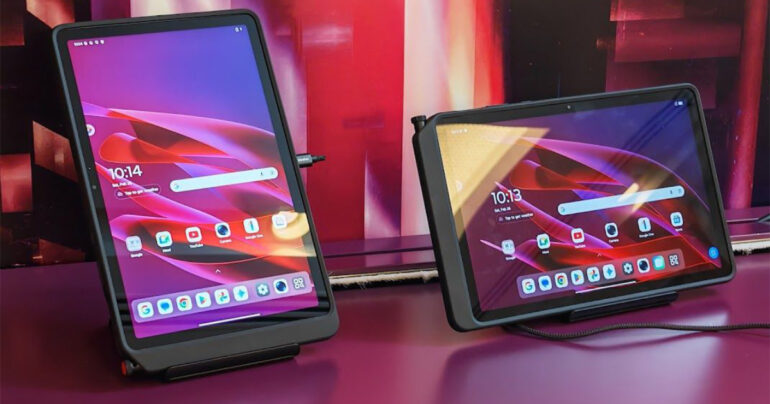

While wandering the halls of MWC 2026 in Barcelona, it is easy to get distracted by the transparent screens and foldable concepts that usually dominate the Lenovo booth. However, tucked away from the flashy prototypes was a device that actually solves a real world problem for people who don’t spend their days in an air conditioned office. The Lenovo ThinkTab X11 is a significant departure from the company’s usual consumer slates.
It is the first time we are seeing the storied Think brand, which basically built its reputation on indestructible business laptops, fully embrace the world of the Android rugged tablet.
This is not a device meant for watching Netflix on a flight. Lenovo is aiming the ThinkTab X11 directly at the frontline workforce in industries like construction, manufacturing, and transport. It is a tool designed for people who need a screen that can survive a drop onto a concrete floor or a sudden downpour on a job site.
Built to survive the frontline
The first thing you notice about the Lenovo ThinkTab X11 is that it doesn’t care about being the thinnest or lightest device on the market. Instead, it prioritizes survival. The tablet is built to MIL-STD-810H standards, which is a fancy way of saying it has been put through the ringer in terms of vibration, drop, and temperature testing. It also carries an IP68 rating, so dust and water ingress are effectively non-issues.
The display is where the practical engineering really shows. Lenovo has used a panel that supports both glove and wet-touch input. If you have ever tried to use a standard smartphone while wearing work gloves or with raindrops on the screen, you know how quickly the interface becomes useless. On a construction site or in a delivery van, being able to log data without taking your gear off is a major efficiency gain. It is these small, thoughtful touches that separate a true professional tool from a consumer tablet in a thick case.
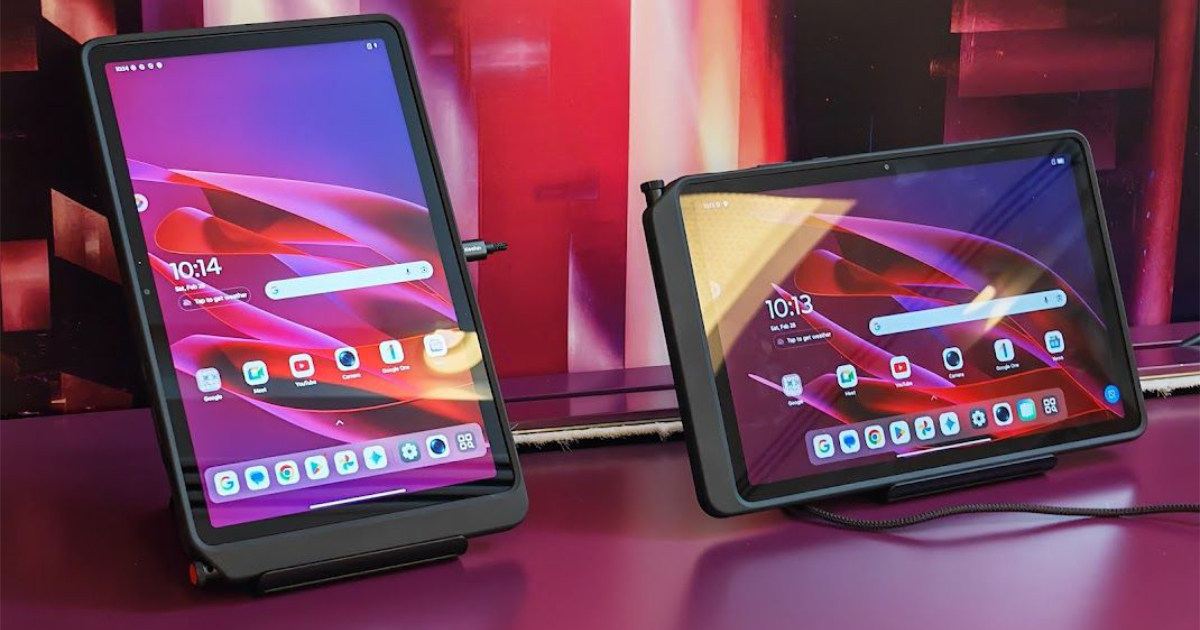
Powering the shift with Snapdragon 7s Gen 3
Under the hood, the Lenovo ThinkTab X11 runs on the Snapdragon 7s Gen 3 mobile platform. This is a smart choice for this category of device. While it might not be the absolute fastest chip in Qualcomm’s stable, the Snapdragon 7s Gen 3 performance is focused on power efficiency and steady, reliable output.
Frontline workers need a device that can last a full eight to twelve hour shift without needing a tether to a wall outlet. The efficiency of this chipset, combined with integrated 5G connectivity for always-on tasks, ensures that the tablet remains a useful companion rather than a battery-draining liability. Whether it is scanning inventory via the front-mounted NFC or managing complex logistics software, the hardware has enough headroom to keep things moving smoothly.
A unique approach to battery management
One of the most interesting features of the Lenovo ThinkTab X11 is how it handles power. It features a screwless removable battery, which is a rare sight in 2026. This allows a worker to simply swap in a fresh battery at the end of a shift rather than waiting for a charge.
Even more intriguing is the “battery-less mode.” This allows the tablet to run directly from a power source when it is mounted in a vehicle or a fixed installation. In the past, leaving a tablet plugged in 24/7 inside a hot truck would eventually cause the battery to swell or degrade, creating a safety hazard. By allowing the device to function without the battery even inserted, Lenovo is significantly extending the lifespan of the hardware in these specific use cases.
Why the Think brand matters here
Bringing the Think badge to an Android rugged tablet is a bold move. For decades, that brand has been synonymous with Windows. However, the shift toward mobile-first software in the industrial sector is undeniable. Most modern logistics and inventory platforms are built for Android, and Lenovo realized that their customers wanted ThinkPad-level durability in an Android form factor.
The Lenovo ThinkTab X11 feels like a mature product. It doesn’t have the “perfectionism” of a sleek consumer device, and that is its biggest strength. It is unbiased in its focus: it is here to work. Whether it is being used for authentication and access control via NFC or as a ruggedized hub for a manufacturing floor, it is clear that Lenovo has listened to the specific pain points of the SMB and commercial sectors.