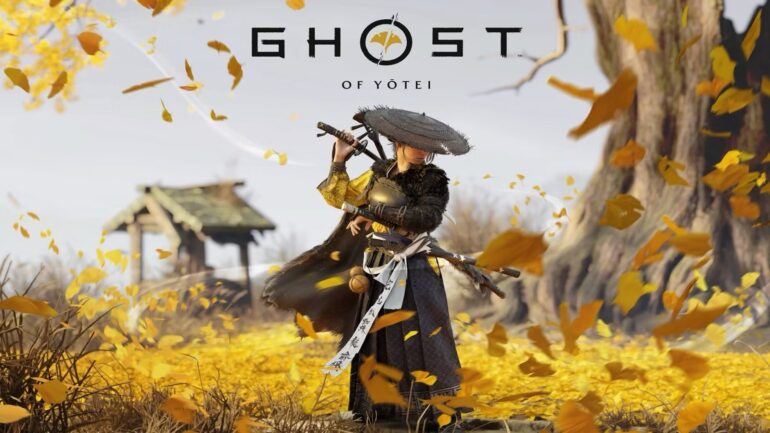

A single playthrough of an action adventure game rarely exhausts its mechanical depth. Once players understand combat systems, enemy patterns, and world traversal, the challenge shifts from learning to mastery. A New Game Plus mode responds to this shift by allowing players to start the journey again with their accumulated gear, abilities, and progression intact. Ghost of Yotei’s update adds this mode to address a core limitation of one shot campaigns: without a reason to return, the systems you learned and built ultimately sit idle after the credits roll. By carrying progression forward, the update preserves player investment and creates a loop where knowledge and power compound rather than reset to zero.
The structural challenge in adding New Game Plus is balancing reward and difficulty. If carrying over all upgrades makes subsequent runs trivial, the mode feels like a parade. If the challenge does not scale, players simply recall old fights rather than confront new tension. Ghost of Yotei’s update tackles this by introducing harder difficulty options specifically for New Game Plus. Harder encounters expand the functional range of enemy encounters so that increased player power does not trivialize combat. This scaling addresses the tension between skill retention and challenge expectation that emerges when progression carries forward.
Progression retention extends beyond simple power scaling. Ghost of Yotei’s update adds a new in-game currency called Ghost Flowers and a vendor system where players can exchange these for more than 30 new cosmetic items, including armor sets and weapon dyes, plus additional charms. A large suite of cosmetics creates varied visual identity for characters and lets players express personalization on a deeper level. Charms and dyes do not directly affect power but they give players a meta-goal beyond combat strength. This design choice acknowledges that progression means more than numbers on a stat sheet; it also means expression and style.
The update also extends progression in the form of additional upgrade tiers for existing armor and weapons. Even after players carry items into New Game Plus, additional upgrade tiers create a new horizon of power growth. This addresses a common limitation in games where the maximum stat caps remain unchanged across playthroughs. By adding new tiers, developers open up power ceilings so that experienced players continue to find incremental improvements rather than stagnation.
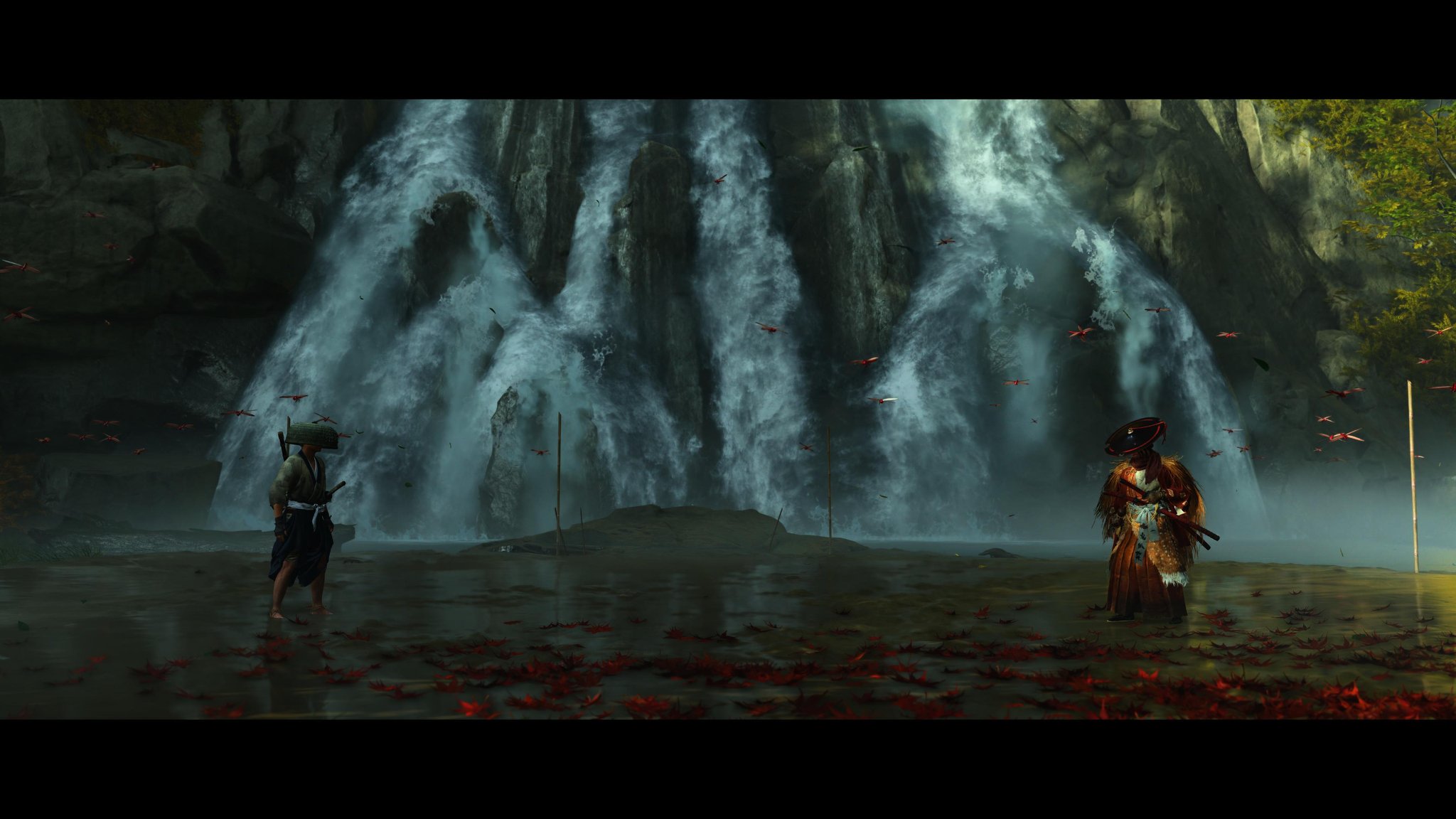
Replayability is not only about combat and progression. It also concerns how the world’s systems can be revisited. Ghost of Yotei’s update introduces the ability to replay post-game content after the main story, including missions, camps, and duels, accompanied by a stats display that shows performance metrics. This adds a quantitative layer to replay value. Players can compare run times, difficulty levels, and efficiency across sessions. A stats overlay makes choices measurable rather than purely subjective.
The update extends quality of life and creative systems as well. Photo Mode receives new features like shutter speed control, a composition grid, and new filters. These tools respond to a practical problem in game photography: capturing dynamic scenes with artistic intent often requires control over visual parameters that default camera systems lack. By introducing more fine-tuned controls, the update invites players to document and share their experiences in the world with greater precision and style.
Accessibility improvements such as directional button remapping show attention to how players interact with core mechanics. Control remapping is not a cosmetic option; it solves real ergonomic and cognitive problems for players who find default configurations uncomfortable or limiting. This kind of system broadens the playable audience and reduces barriers that might otherwise discourage extended engagement.
Behind all of this is the recognition that a game’s systems must remain flexible after launch if they are to support long term play. Adding a New Game Plus mode expands usage of the same core mechanics under new constraints. Harder difficulties recontextualize combat loops. Cosmetic systems give meaning to player identity. Accessibility and creative tools reshape how players interact with the world. Replay systems add structure and meaning to returns. Each of these elements reuses and extends the base systems rather than replacing them with isolated new mechanics.
The inclusion of additional trophies for New Game Plus acknowledges another structural requirement in modern games: players want measurable milestones. Trophies serve as external goals that guide exploration and mastery. Introducing new ones for post-game content gives tangible acknowledgment for returning players.
Together, these changes adjust the way players engage with the game’s systems beyond a single narrative progression. They create a post-story phase where accumulated tools, newly introduced challenges, and aesthetic goals all interplay. This alters the feedback loop of learning, mastery, and expression. It also solves a common lifecycle problem for single player titles by giving players reasons to keep returning to the world even after the main arc is complete.