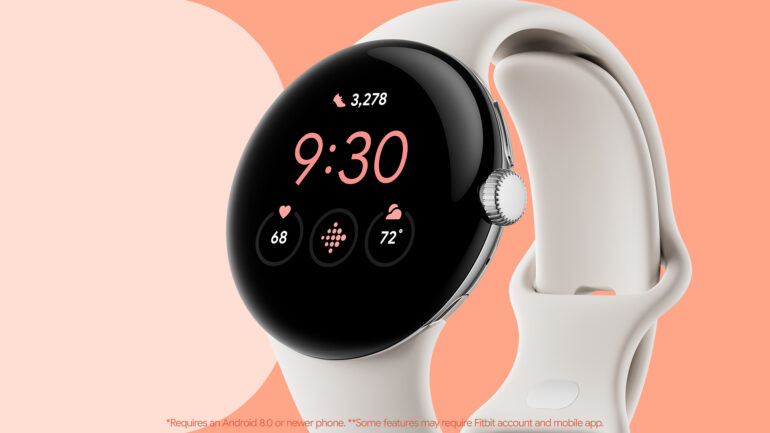

If you have been wearing a Fitbit on your wrist for the last few years, you probably knew this day was coming. When Google bought Fitbit back in 2021, the writing was on the wall for the old standalone Fitbit accounts. For a while now, Google has been nudging people to move over, but the original deadline felt a bit rushed for some. Now, we have some breathing room. The latest news confirms that the Fitbit to Google account migration has been pushed back, giving users until 2026 to get their digital houses in order.
This is a big deal for anyone who has years of heart rate data, sleep logs, and step counts stored in the old system. Nobody wants to lose that history, and moving a health profile is a lot more sensitive than moving a playlist or a contact list. The extra time is a clear sign that Google wants to avoid a mass exodus of frustrated users who might find the process too complicated or invasive.
Table of Contents
Why the delay is actually a good thing
Initially, it looked like the old Fitbit login system was going to be retired much sooner. However, moving millions of people from one ecosystem to another is a massive technical headache. By extending the Fitbit to Google account migration window, Google is ensuring that the transition is as smooth as possible. It also gives the development teams more time to iron out bugs in the app that some users have reported during the move.
For the average person, this delay means you don’t have to panic today. You can keep using your device exactly as you always have. But it also gives you a chance to see how Google integrates its privacy policies with Fitbit’s existing ones. One of the biggest concerns for long time users has been what Google plans to do with their health data. Google has repeatedly stated that health and wellness data from Fitbit will not be used for Google Ads, and this extended timeline gives them more time to prove that commitment through transparent updates.
What you need to do to move your data
If you are ready to make the jump, the process for the Fitbit to Google account migration is actually fairly straightforward. When you open your Fitbit app, you will likely see a prompt or a banner at the top of the screen suggesting the move. Once you tap that, the app will guide you through connecting your existing fitness profile to your primary Google account.
The system will ask you to confirm which data you want to bring over. This includes your historical stats, your badges, and your social connections. It is important to make sure you are logged into the correct Google account before you start. If you have multiple Gmail addresses for work and personal use, picking the right one is crucial because once the accounts are merged, it is very difficult to separate them again. Taking your time with this step is exactly why having the deadline pushed to 2026 is so helpful.
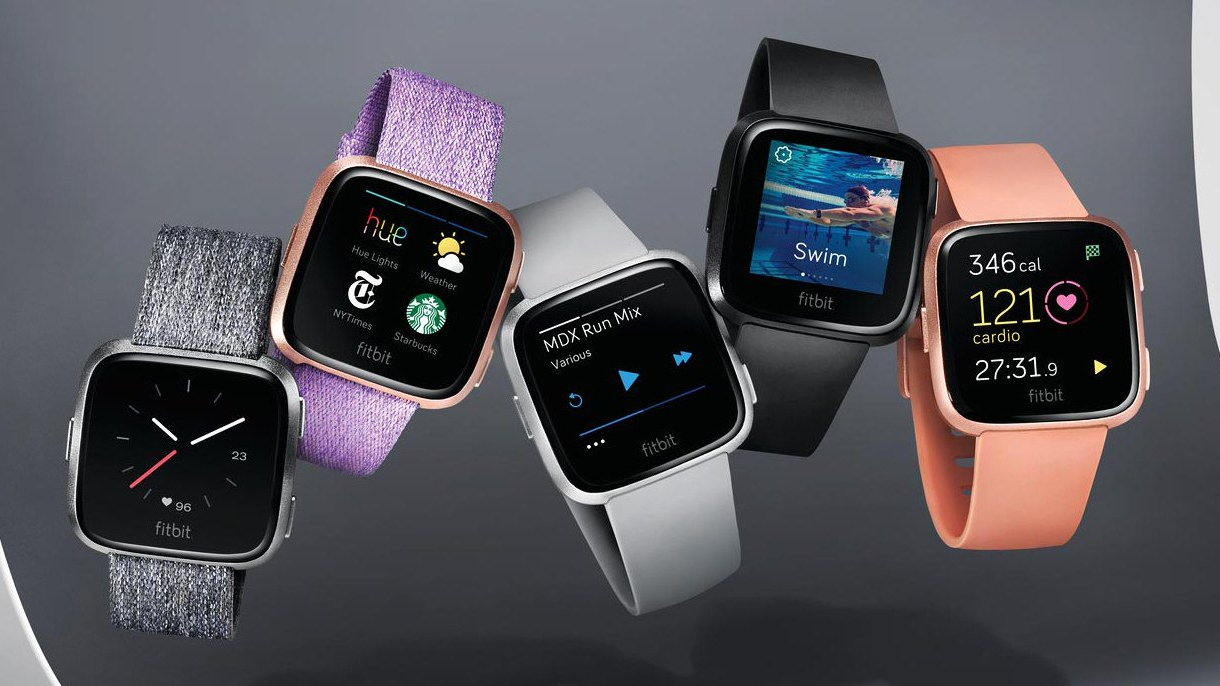
The benefits of a unified Google ecosystem
While many people are hesitant to give Google more of their data, there are some genuine perks to completing the Fitbit to Google account migration. Once you are moved over, you get the benefit of Google’s industry leading security features. This includes two factor authentication that is often more robust than what the old Fitbit system offered.
You also get a more unified experience if you use other Google services. For example, if you use the Google Pixel Watch or a phone running Android, having everything under one roof makes it easier to manage subscriptions and permissions. It also streamlines how your data interacts with other apps through the Health Connect platform. Google is clearly trying to build a health suite that rivals what Apple has done with the Health app on the iPhone, and this migration is a foundational piece of that strategy.
What happens if you miss the 2026 deadline
You might be tempted to just ignore the notifications until the very last minute. While that is an option, it is a bit of a gamble. Once the Fitbit to Google account migration period ends in 2026, the old Fitbit accounts will effectively cease to exist. If you haven’t moved your data by then, you risk losing years of fitness tracking history.
Google hasn’t been entirely clear on whether there will be a “grace period” after the 2026 cutoff, but usually, when these legacy systems are shut down, they are gone for good. If you value your data, it is better to handle the switch while the support teams are still actively monitoring the transition. Waiting until the final week of 2025 might lead to slow sync times or technical support delays as everyone else rushes to do the same thing.