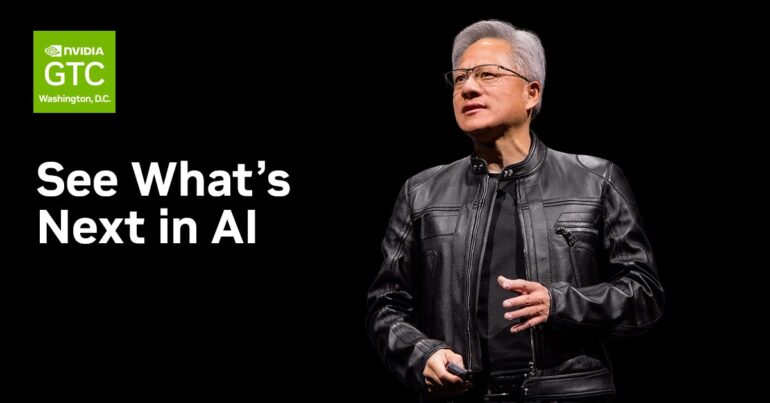

A fabricated Nvidia keynote featuring an AI-generated version of Jensen Huang managed to attract close to 100,000 live viewers on YouTube, despite being nothing more than a crypto scam. The stream was hosted on an obscure channel called Offxbeatz but appeared under the title “Nvidia Live,” which helped it surface above legitimate broadcasts.
The timing amplified the confusion. As the real Nvidia GTC DC keynote began, the fake stream quickly dominated search results. While Huang addressed the audience at the official event, only about 12,000 viewers tuned in, compared with nearly 95,000 watching the counterfeit version. This imbalance highlighted how easily algorithmic ranking can boost fraudulent content over authentic sources.
Table of Contents
Inside the fake keynote and its attempted scam
The deepfake “Jensen” welcomed viewers and teased a major announcement about cryptocurrency, framing it as part of Nvidia’s mission to advance global innovation. The script continued with claims about Nvidia GPUs enabling blockchain expansion and financial systems.
The final step was predictable. A QR code appeared, encouraging viewers to join a “crypto distribution” that was entirely fraudulent. The presentation followed a standard scam format, using authority, urgency, and visual polish to lure participants.
Even with a well-produced setup, clues gave away the fabrication. The speech rhythm was slightly off, and the promotional language made exaggerated promises. Still, tens of thousands of viewers remained engaged, demonstrating how visual realism can suppress basic doubt.
Deepfakes outpace platform moderation
YouTube eventually removed the stream, but not before it demonstrated a structural challenge. Realistic AI-generated impersonations can now spread faster than platforms detect and respond to them. When search placement and trending algorithms amplify these streams, they gain a credibility they do not deserve.
This incident shows that traditional cybersecurity tools cannot counter social engineering on this scale. Firewalls and antivirus software protect devices, not judgment errors. Authentication systems for livestreams remain weak, leaving viewers exposed to misinformation and financial risks.
The solution requires stronger identity verification for high-profile events. Platforms must confirm the legitimacy of the host before giving a stream prominence. Users also need to be cautious, especially when a broadcast includes QR codes or financial prompts.
The bigger lesson
There is no confirmed financial loss linked to this scam, but the number of viewers alone should be a wake-up call. Familiar branding, high production value, and artificial realism can mislead people quickly. The incident highlights the widening gap between the ease of creating deepfakes and the slow development of tools designed to stop them.