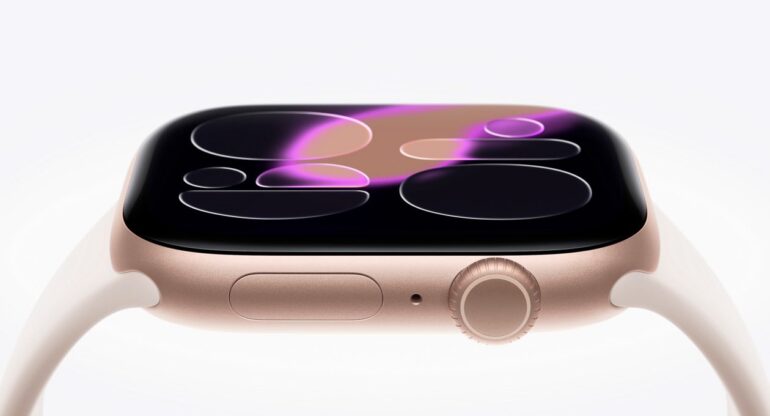

A federal jury in California has ruled that Apple must pay medical technology company Masimo $634 million after finding that certain Apple Watch features infringed Masimo’s patents. The case focused on patent claims tied to blood oxygen monitoring and related health functions integrated into the Apple Watch.
The lawsuit began in 2020 when Masimo alleged that Apple used technology covered by its patents without a licence. The disputed patents involve methods for low-power pulse oximetry and other health monitoring functions. The jury agreed that Apple’s implementation violated the asserted patent rights, and awarded Masimo $634 million in damages.
The verdict covers Apple Watch models that included the challenged features in the period between 2020 and 2022. The number of units involved is reported to be in the tens of millions.
Apple has stated its intention to appeal the ruling. Legal appeals can extend the timeline before any payment is collected or before any enforcement of the judgment. This process could take months or longer depending on court proceedings.
The dispute with Masimo is one part of a broader legal engagement between the two companies. Previous actions in the earlier stages of the fight led to import restrictions on some Apple Watch models in the United States when blood oxygen monitoring features were found to infringe patents. Apple responded by modifying how those features operate in US devices, including shifting some processing to the iPhone.
In response to the jury verdict, Masimo highlighted its focus on protecting intellectual property rights tied to medical monitoring technologies. Apple said it disagrees with the jury’s findings and is pursuing the appeal.
For users of Apple Watch devices, the ruling itself does not change how current models function outside of this legal context. Wearable health features continue to operate as configured by Apple in each region.
Ongoing legal and regulatory activity connected to the broader patent dispute could influence future Apple Watch hardware or software releases if further rulings or orders arise. Apple’s appeal and separate proceedings at agencies such as the United States International Trade Commission are part of that continuing process.