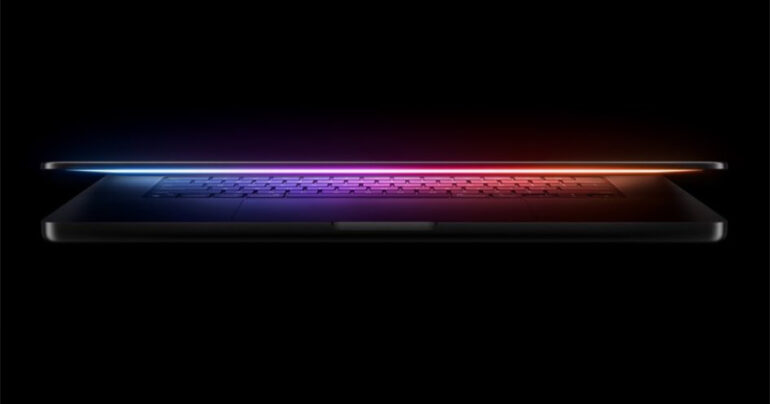

For years, the idea of a touch-sensitive Mac was the tech world’s version of a forbidden fruit. Steve Jobs famously dismissed the concept, calling vertical touch surfaces ergonomically terrible and claiming your arm would want to fall off after a few minutes of use. But the industry has moved on, and according to the latest whispers from the supply chain, the Apple OLED touchscreen MacBook Pro is not just a “someday” project anymore. In fact, it might be landing on our desks significantly earlier than the 2027 window we were originally bracing for.
The shift in timeline comes down to the factories. Samsung Display has reportedly kicked off mass production of its eighth generation OLED panels earlier than anticipated. These aren’t just your standard smartphone screens; they are high-efficiency, large-scale panels specifically destined for the next generation of professional laptops. If the glass is being cut and the circuits are being laid now, a late 2026 launch is looking less like a pipe dream and more like a concrete reality.
Bridging the gap between iPad and Mac
The arrival of the Apple OLED touchscreen MacBook Pro represents more than just a new way to click a link. It is a fundamental shift in how Apple views the relationship between its mobile and desktop platforms. For a decade, the company has insisted that if you want to touch a screen, you should buy an iPad. However, we are seeing a generation of users who grew up on iPhones and Chromebooks. To them, reaching out to tap a “Done” button or scroll through a timeline is second nature.
Apple seems to be acknowledging this reality without turning the Mac into a tablet. The rumors suggest that macOS won’t be scrapped for a giant version of iPadOS. Instead, it will be a “touch-augmented” experience. Think of it as a precision-first machine that lets you use your fingers for the broad strokes, like zooming into a photo or flicking through a video timeline, while keeping the trackpad for the heavy lifting. It is about giving users the choice rather than forcing a new paradigm.
The technical magic of Tandem OLED
The move to an OLED display is the other half of this story, and it is arguably just as important as the touch functionality. The current Liquid Retina XDR displays are fantastic, but they still rely on Mini-LED backlighting. While that tech is great for brightness, it can’t quite match the “true black” and pixel-perfect contrast of an OLED.
If the Apple OLED touchscreen MacBook Pro follows the lead of the most recent iPad Pro, it will likely utilize “Tandem OLED” technology. This stacks two layers of organic light-emitting diodes to solve the two biggest complaints about the tech: brightness and longevity. By spreading the workload across two layers, you get a screen that can hit searing highlights for HDR content without burning itself out in three years. For professional color graders and photographers, this kind of display accuracy in a portable form factor is the holy grail.
A design overhaul for the M6 era
While we are expecting a minor refresh with M5 chips very soon, the Apple OLED touchscreen MacBook Pro is being tipped as the debut vehicle for the M6 Pro and M6 Max processors. These chips are expected to be built on a new 2-nanometer process, which basically means more power and less heat in an even smaller package.
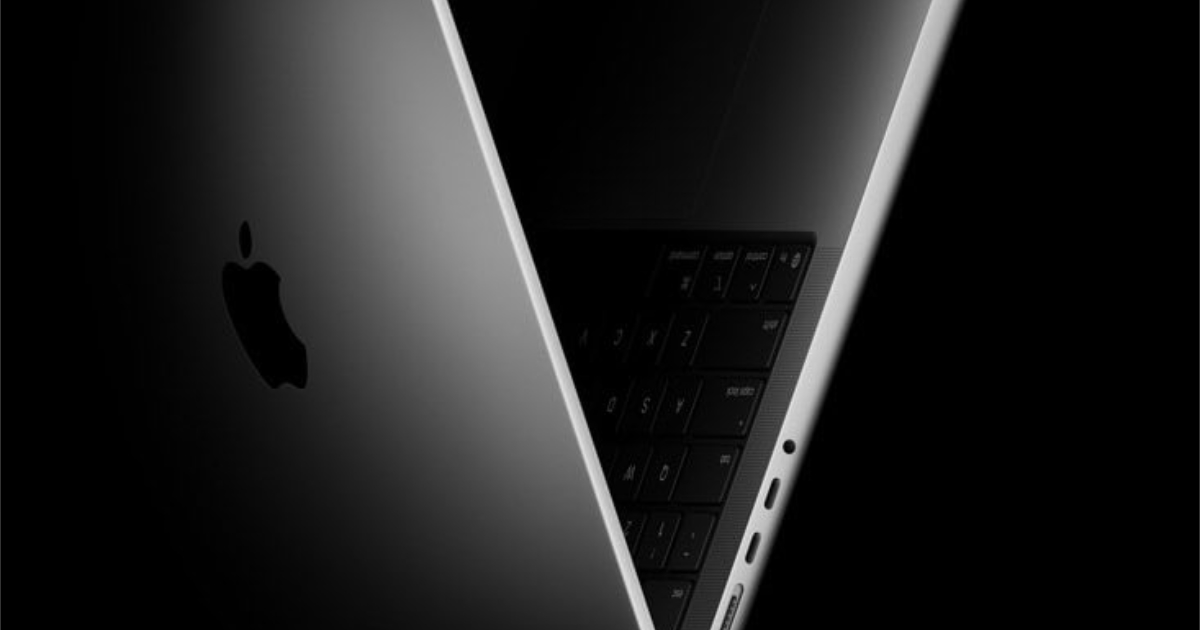
This efficiency jump is what will allow Apple to finally thin out the MacBook Pro chassis. Since the 2021 redesign, the Pro has been a bit of a “thicc” boy to accommodate the cooling needs of the M-series chips. The 2026 model is rumored to be significantly leaner and lighter. There is even talk of the notch finally disappearing in favor of a hole-punch camera or even a MacBook-sized version of the Dynamic Island. This would move all those system alerts, timers, and media controls into a dedicated interactive zone at the top of the screen, mirroring the experience we have on the latest iPhones.
Release and Price Details
The Apple OLED touchscreen MacBook Pro is currently projected for a Q4 2026 release, likely anchoring Apple’s traditional October hardware event. Because of the high cost of Tandem OLED panels and the ongoing global RAM supply crisis, analysts expect a price hike of at least $200 across the lineup. This would place the starting price for the 14-inch OLED model at roughly $2,199, while the 16-inch variant could start as high as $2,699. Base models are expected to ship with 24GB of unified memory as standard to handle the increased demands of local AI processing and the new touch-sensitive interface.