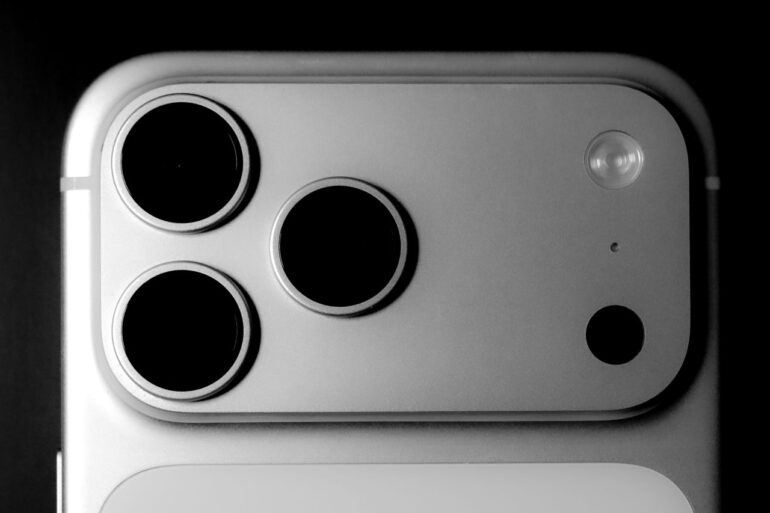

Apple may be preparing a significant change to how it launches iPhones, according to recent industry reports. Instead of unveiling the entire lineup in one annual event (which usually happens every September), the company is said to be exploring a staggered release schedule beginning in 2026. If implemented, this would mark one of the biggest shifts in Apple’s iPhone strategy in over a decade. While it is not entirely surprising to see them think about this, it will really take away from the allure and the niche position that Apple holds in terms of making their products exclusive.
The reported plan suggests that some iPhone models could arrive earlier in the year, while others would retain a later launch window. Devices such as the iPhone 18 Pro and Pro Max are expected to remain part of Apple’s traditional high profile release period, while standard models and lighter variants could launch separately. This approach would spread releases across the calendar rather than concentrating them into a single season.
One of the models linked to this shift is a future iPhone Air. The Air branding has long been associated with thinner and lighter Apple devices, and reports indicate Apple may be positioning such a phone as a distinct product with its own launch timing. Separating it from the main lineup could help Apple better frame its purpose and target audience without competing for attention against Pro models.
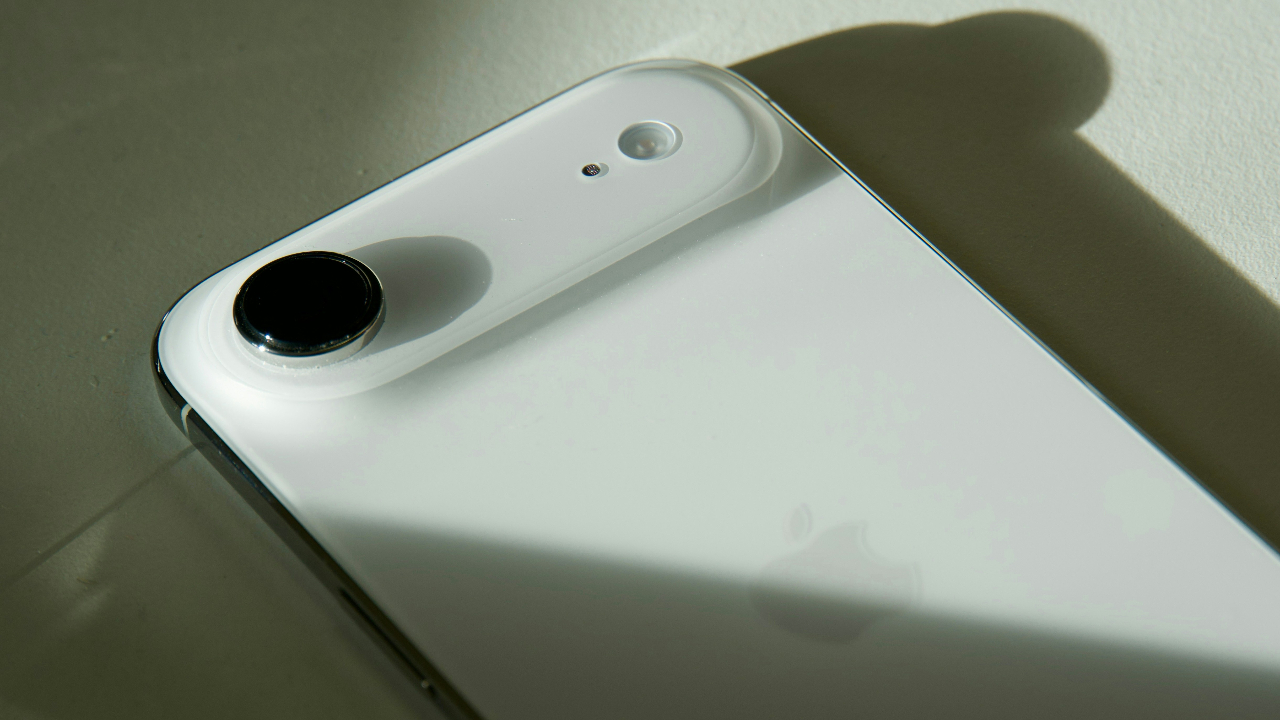
The standard iPhone models are also expected to be affected. Rather than launching alongside Pro devices, they could appear earlier in the year, potentially in the spring. This would mirror Apple’s existing strategy with products like the iPhone SE and certain iPad models, which already operate on different schedules.
There are several practical reasons Apple might consider this structure. The iPhone lineup has grown more complex, with clearer separation between standard, Pro, and alternative form factor devices. A staggered approach allows Apple to focus messaging around each category rather than compressing everything into one launch cycle.
Supply chain considerations also play a role. Spreading releases across the year could ease manufacturing pressure and help Apple better manage inventory, especially as iPhones continue to use increasingly advanced components. It may also give the company more flexibility to respond to production constraints or regional demand variations.
From a market perspective, multiple launch windows could help Apple maintain consistent visibility throughout the year. Instead of a single peak in attention around September, the company would have several moments where new iPhones enter the conversation. This could influence upgrade cycles and carrier promotions, particularly in regions where buying behavior differs from Apple’s core markets. It is important to note that Apple has not confirmed any of these changes. The information currently available comes from supply chain analysis and industry observers rather than official statements. Apple has a long history of adjusting plans internally before final decisions are made, and timelines can change as development progresses.
If Apple does proceed with a revised launch schedule, the first signs would likely appear in late 2025 or early 2026 through supply chain activity rather than public announcements. Until then, the existing September centered launch pattern remains in place.