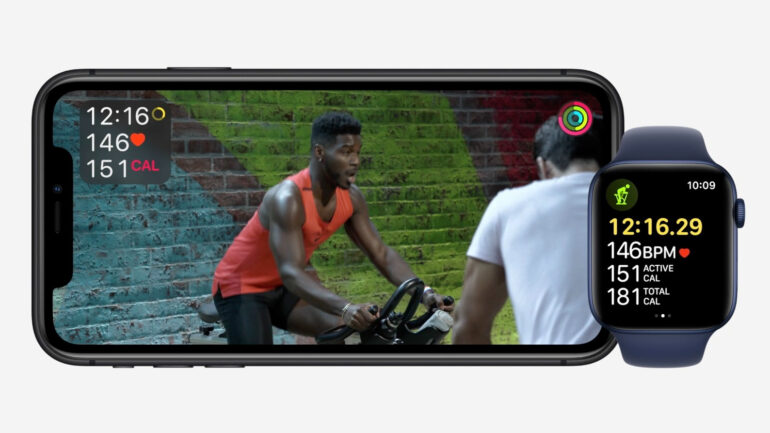

We have reached a weird point in the life cycle of Apple services. For the last five years, Apple Fitness Plus has been the polished, high energy workout companion for millions of Apple Watch users. It arrived at the perfect time during the pandemic, offering studio quality workouts in our living rooms. But as we move further into 2026, the buzz around the service seems to be fading. While the trainers are as charismatic as ever, the business side of things tells a slightly different story.
According to recent reports, specifically from Bloomberg’s Mark Gurman, the entire Apple Fitness Plus platform is now “under review.” This isn’t just corporate speak for a routine checkup. It implies that Apple is looking at the numbers, and they aren’t exactly thrilling. Despite being an incredible value for those of us who already pay for the Apple One Premier bundle, the standalone version of the service struggles with what the industry calls “high churn.” That essentially means a lot of people sign up for the free trial when they buy a new watch, but not enough of them stick around to pay the monthly fee.
Table of Contents
Could the Health app become the new home?
One of the biggest rumors floating around right now is that Apple might simply stop treating fitness as a separate silo. Right now, you have the Fitness app for your rings and workouts, and the Health app for your heart rate, sleep data, and medical records. If the rumors are true, Apple is considering a merger where Apple Fitness Plus would be folded directly into the Health app.
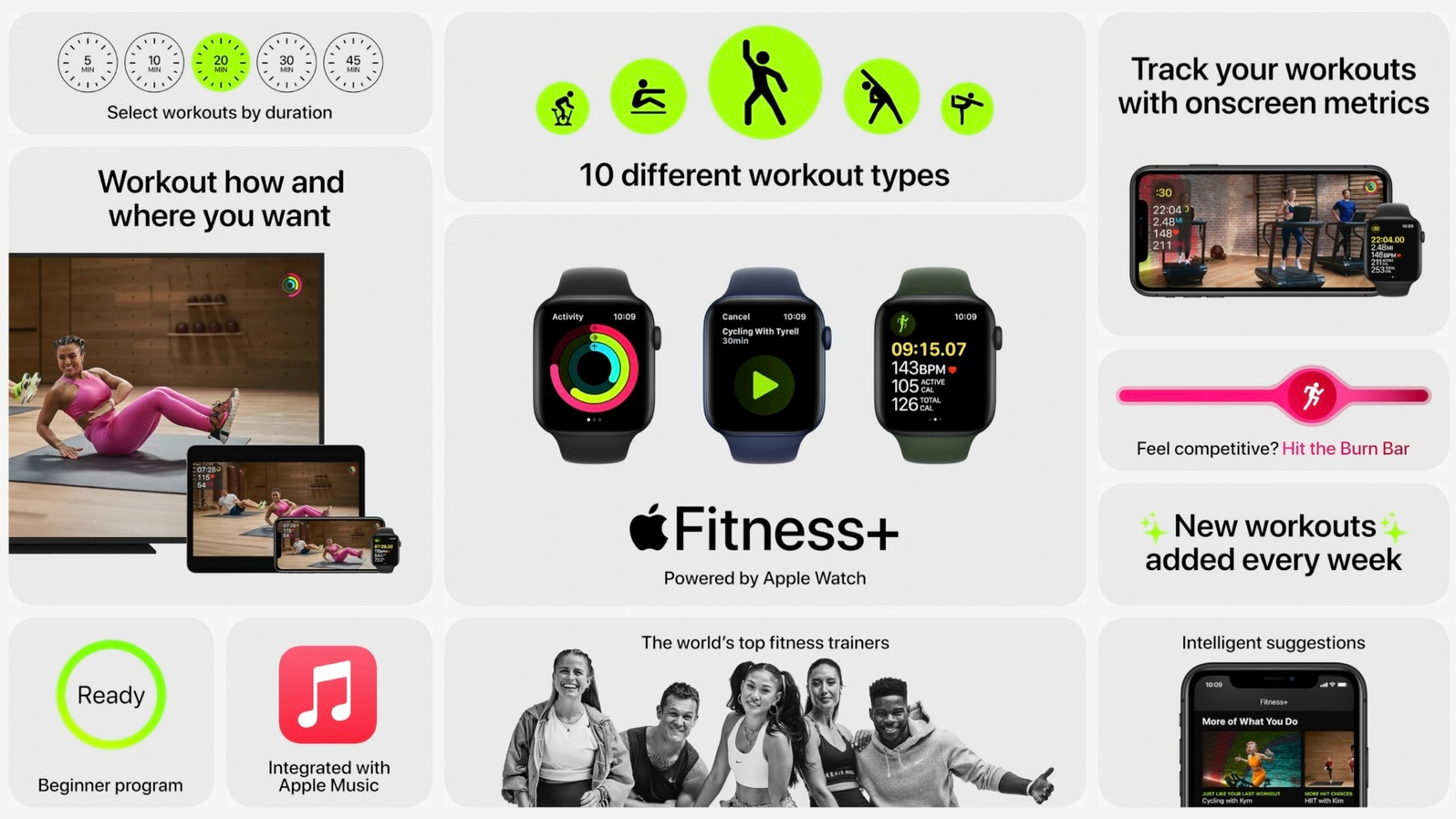
This move makes a lot of sense if you look at it from a simplification standpoint. Apple has a bit of a “too many services” problem. Between Music, TV Plus, Arcade, News Plus, iCloud, and Fitness, the average user is starting to feel subscription fatigue. By melding these two apps together, Apple could create a single, unified destination for everything related to your well being. It would turn the Health app from a passive data warehouse into an active coaching platform where your workout recommendations live right next to your sleep trends.
The rise and fall of the AI health coach
For a long time, we heard whispers about a revolutionary new feature: a dedicated AI health coach. The idea was that Apple would use its “Apple Intelligence” to look at your data and give you specific, personalized advice on how to improve your lifestyle. It wouldn’t just tell you that you haven’t closed your rings; it would suggest a specific 10 minute HIIT session because it noticed your stress levels were high and you have a gap in your calendar.
However, the latest intel suggests that Apple has moved away from launching this as a standalone “Health Plus” service. Instead, it looks like those AI features are being integrated bit by bit into the existing ecosystem. Features like gait analysis using your iPhone camera and personalized nutrition guidance are expected to start appearing later this year. This pivot suggests that Apple wants to enhance what we already have rather than asking us to pay for yet another separate subscription tier.
Facing the competition in 2026
Apple isn’t operating in a vacuum. The fitness tech landscape has changed drastically since 2020. Companies like Peloton have managed to keep a very loyal, albeit smaller, fan base by focusing on “intensity” and community features that Apple Fitness Plus hasn’t quite replicated. On the other side, we have new heavyweights like OpenAI entering the ring with ChatGPT based health services that offer incredibly deep, conversational health advice.
To stay relevant, Apple needs to leverage its biggest advantage: the hardware. No one else has the tight integration between the Apple Watch, the iPhone, and the Apple TV. When you start a workout and see your heart rate pulsing on your 65 inch screen in real time, it feels like magic. But magic wears off if the content feels stagnant. While Apple has recently introduced new “Make Your Fitness Comeback” programs and Artist Spotlights with stars like Bad Bunny, the core experience hasn’t fundamentally changed in years.
What happens to your subscription?
The big question for most users is what this means for their wallet. If Apple Fitness Plus is folded into the Health app, will it remain a standalone $9.99 monthly charge? Or will Apple move toward a more modular “build your own” Apple One bundle? There is also the possibility that the fitness content remains a perk of the higher tier bundles while the standalone app quietly disappears from the App Store.
For now, Apple is still very much in the “Something Big” teaser phase. They recently hinted at major plans for 2026, and we are seeing new trainers and programs launch this month. It is unlikely that the service will simply vanish. It is relatively cheap for a company of Apple’s size to keep running, and the backlash from the loyal community would be a PR nightmare. The most likely outcome is a significant rebranding and a shift in how we access the content, moving away from a “video library” feel and toward a “personalized health journey” feel.