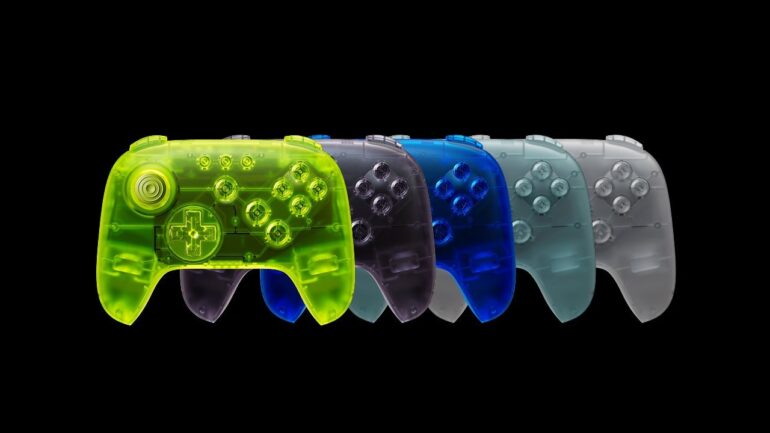

There is something special about the translucent plastic era of the late nineties. It was a time when tech didn’t try to hide its guts; it showed them off in neon greens and deep purples. While we all remember the Funtastic series of the Nintendo 64, there was a whole world of “what ifs” that stayed locked away in Nintendo’s design vaults. Today, the Analogue 3D is bringing those ghosts back to life with a new lineup of Prototype Limited Edition consoles.
If you have been following the journey of the Analogue 3D, you know it is already considered the gold standard for playing N64 cartridges on a modern 4K television. But this latest drop isn’t just about the tech under the hood; it is a direct tribute to Nintendo of Europe’s experimental phase. Analogue spent over a year perfectly color matching these shells to original hardware prototypes that collectors have only ever seen in grainy archive photos or high end auctions.
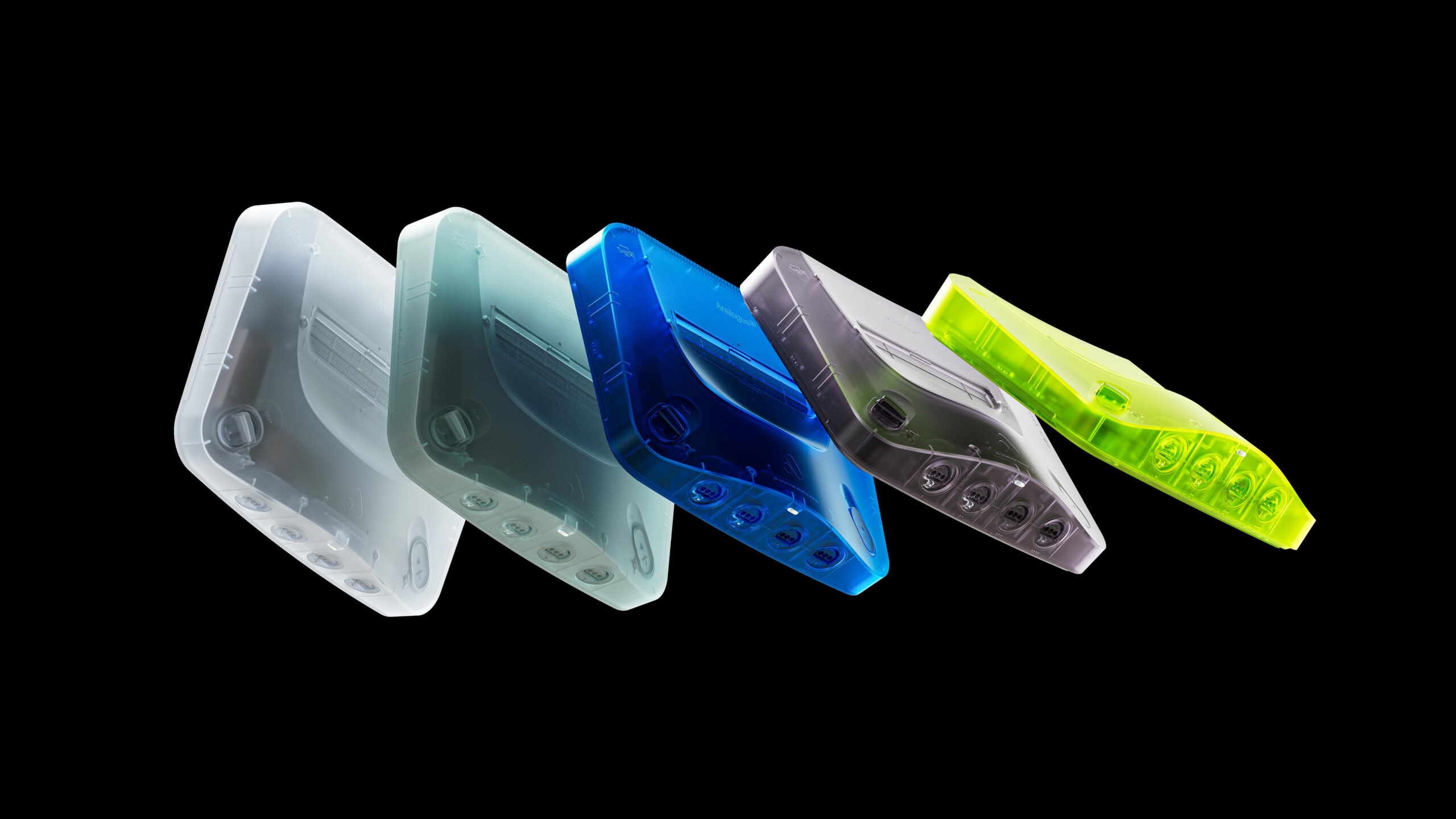
Table of Contents
Exploring the five new transparent finishes
This isn’t just a simple repaint. These five new colors represent a specific moment in gaming history. The lineup includes Extreme Green, Ocean, Ghost, Glacier, and the legendary Atomic Purple. While some of these names might sound familiar because they appeared on Game Boys or controllers, the specific shades used for these Analogue 3D units are based on the injection molded console prototypes that were market tested but ultimately shelved by Nintendo three decades ago.
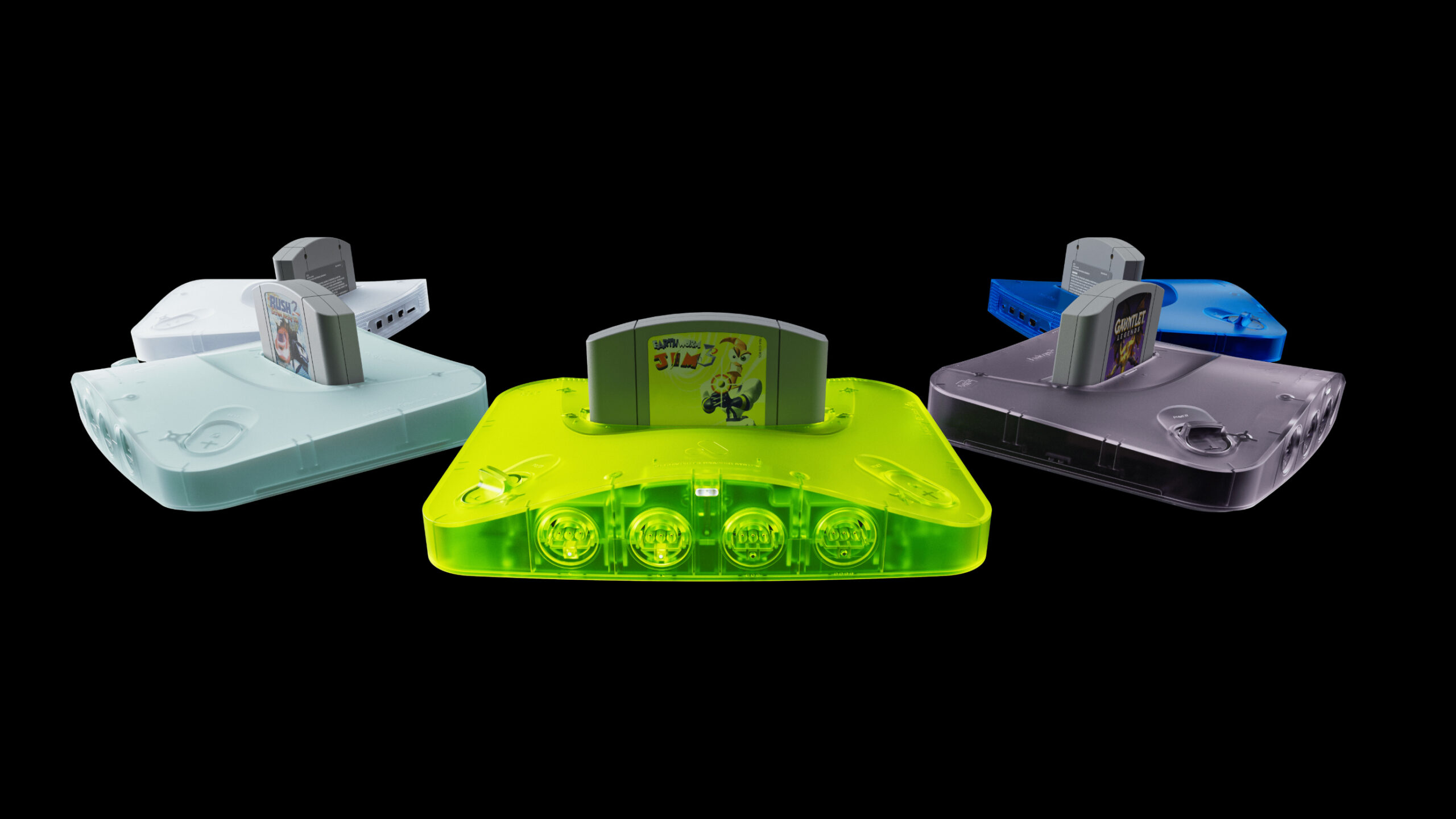
The Ghost variant offers a clean, misty transparency that looks incredible under living room lights, while Extreme Green is exactly the kind of loud, unapologetic neon that defined the 16-bit to 64-bit transition. Each unit is built with the same meticulous attention to detail we have come to expect from the company. The shells aren’t just colored plastic; they have that specific depth and clarity that makes you want to pick them up just to see how the light hits the internal components.
Why FPGA technology still reigns supreme
It is easy to wonder why someone would spend 300 dollars on a console that only plays old cartridges when software emulation exists. The answer lies in the FPGA architecture of the Analogue 3D. Unlike a standard emulator that “guesses” how a game should run using software, an FPGA chip actually recreates the original N64 circuitry at a hardware level. This means you get 100% compatibility with every single cartridge in your library, including the ones that usually break in emulators.
When you slide a game into the Analogue 3D, the system behaves exactly like a real N64, just one that happens to output a pristine 4K signal. There is no input lag, no weird audio glitches, and no frame rate stutters that weren’t present on the original hardware. It is the definitive way to experience these games, especially when you factor in the Original Display Modes that simulate the warm glow and scanlines of a high end CRT monitor.
The matching 8BitDo controller dilemma
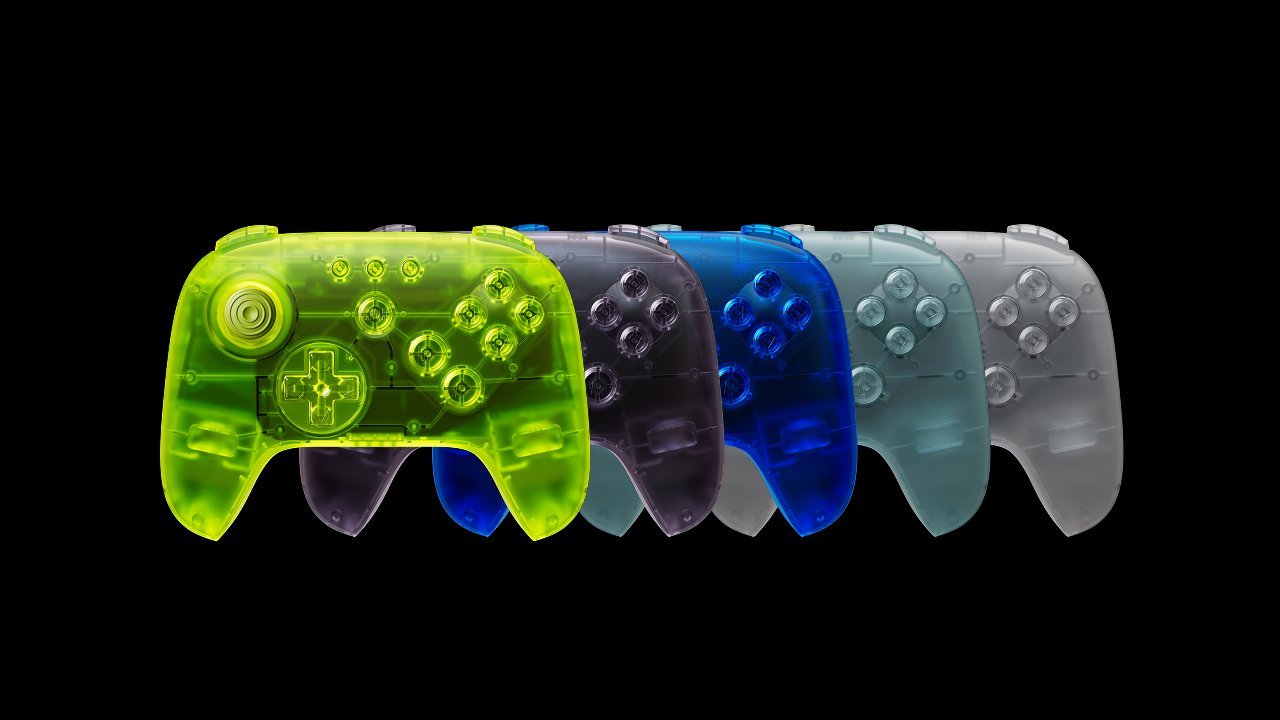
Of course, a beautiful translucent console needs a matching controller to complete the look. Analogue has once again partnered with 8BitDo to release limited edition 64 Bluetooth Controllers in all five prototype colors. These controllers are a massive upgrade over the original “three pronged” design, featuring Hall Effect joysticks that will never drift and a layout that actually feels natural in human hands.
The only catch here is the shipping schedule. While the Analogue 3D console units are designed to ship almost immediately after purchase, the matching controllers aren’t expected to head out to customers until April 2026. This means if you are lucky enough to snag a console, you might be using your original wired pads or a standard black controller for a few months before your setup is fully color coordinated. At 45 dollars each, these controllers are likely to sell out just as fast as the consoles themselves.
Navigating the highly limited stock
If there is one thing we know about Analogue, it is that their products do not stay in stock for long. The company has explicitly used the phrase “highly limited quantities” for this Prototype Limited Edition run. This usually means that the window to buy one is measured in minutes, not hours. For many retro enthusiasts, the scramble to get an Analogue 3D has become a rite of passage, involving multiple browser tabs and very fast typing skills.
The price for these limited editions is set at 299.99 dollars, which is a 30 dollar premium over the standard black and white models. For that extra cash, you are getting a piece of functional art that doubles as a time machine. Given how quickly previous colorways have appeared on the secondary market for double the price, it is clear that the demand for the Analogue 3D remains sky high even a year after its initial launch.