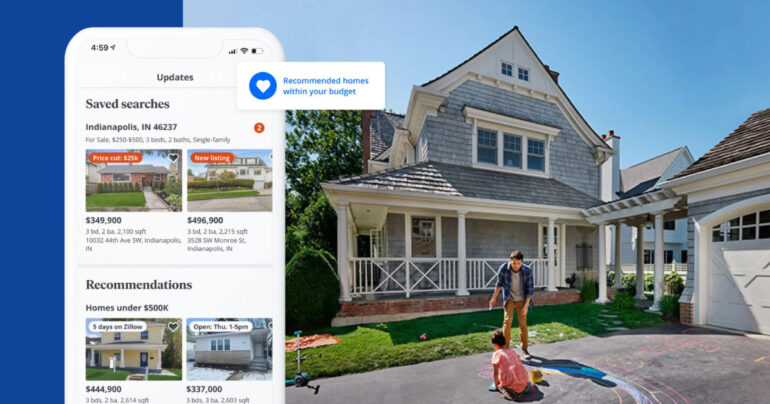

Zillow has stopped showing climate risk scores directly on its US home listings, stepping back from a feature that aimed to make the long term impacts of extreme weather more visible to buyers. The decision follows months of complaints from real estate agents, homeowners, and a major listing service that said the risk models powering the scores were often inaccurate and were discouraging buyers from considering some properties.
The climate scores, which were introduced in 2024, were powered by data from First Street, a private analytics firm that models the likelihood that individual properties will face floods, wildfires, strong winds, extreme heat, or poor air quality in the coming years. Zillow displayed these ratings alongside other contextual information such as school quality and neighborhood data, positioning them as another factor buyers could weigh before making an offer. As climate driven disasters become more frequent and costly, tools like these are meant to close the information gap between the physical risks homes face and the prices people are willing to pay.
However, the California Regional Multiple Listing Service, one of the largest MLS providers in the United States, raised formal objections and questioned whether First Street’s flood models could be trusted at the individual property level. Its chief executive, Art Carter, argued that listing a high probability that a specific home might flood within the next few years can materially change how desirable that property appears to buyers, particularly in neighborhoods that have not seen serious flooding for decades. CRMLS also warned that large clusters of homes were being tagged with very high flood probabilities that did not match local experience, which made agents and sellers skeptical of the underlying science.
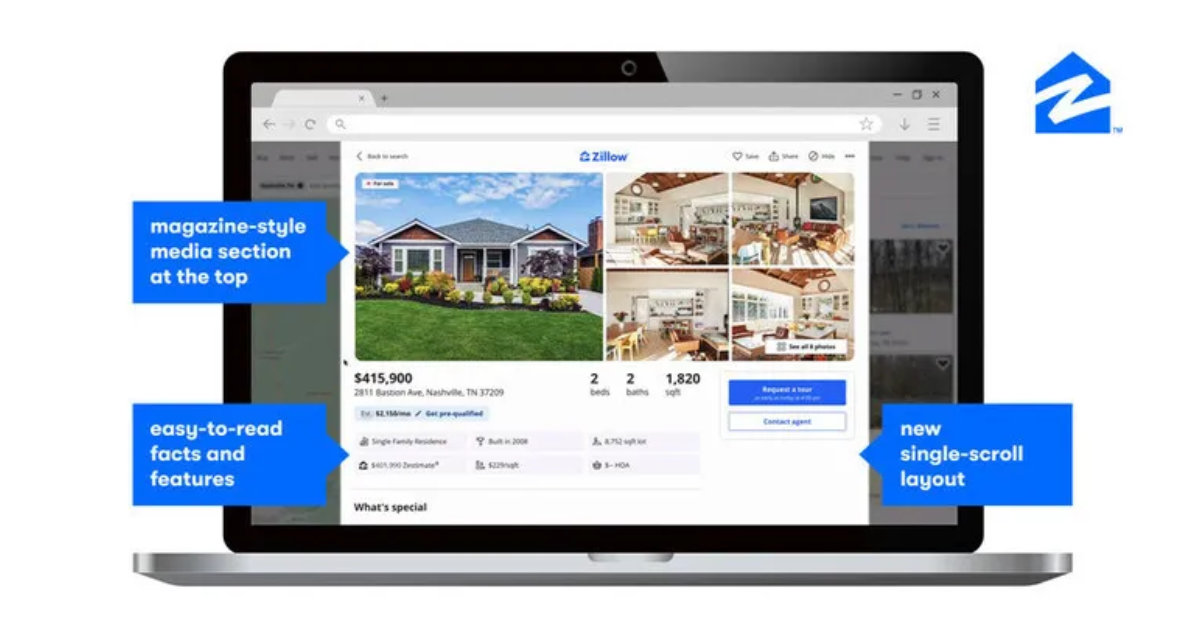
Agents have reported concrete impacts from the scores. In one case cited in coverage of the change, a home in Richmond, Virginia drew interest from out of state buyers until they saw a relatively high flood risk score on Zillow and decided not to travel to view the property. The listing agent, who knew the area well and had sold the same house years earlier, believed the score overstated the risk compared with nearby homes and had no way to challenge or correct it. That lack of recourse became a recurring complaint among homeowners who felt their largest asset was being devalued by a model they could not inspect or dispute.
Zillow has said it remains committed to providing climate information but now does so by linking to First Street’s website from its listings, rather than embedding scores directly on the page. Buyers who care about risk can still look up a property’s exposure to floods, fire, and other hazards, but they must leave Zillow’s interface to do so, which may reduce how often the data is consulted. Other portals, such as Redfin and Realtor.com, continue to show similar climate data and, in some cases, let sellers request its removal, highlighting a split in how major platforms balance transparency with market concerns.?
Research suggests that visible climate risk information can influence buyer behavior and home values. A large scale Redfin experiment found that when flood risk estimates were shown to millions of users, buyers became more likely to favor lower risk properties, and homes flagged as high risk sold for slightly less on average. Zillow’s own internal analysis has also indicated that properties labeled with high fire or flood risk were less likely to sell than comparable homes with medium or low scores, though the company has not publicly tied that pattern directly to the presence of the scores on listing pages.?
First Street, for its part, maintains that its models are grounded in transparent, peer reviewed methods and notes that its work has been vetted by banks, federal agencies, insurers, and engineering firms that are starting to incorporate climate risk into lending and underwriting decisions. Independent examinations of commercial climate models have found meaningful differences between providers and have raised questions about how well some systems capture localized protections such as drainage infrastructure, which helps to explain why skepticism persists among some real estate professionals. At the same time, First Street’s analysis shows that many more US properties face meaningful flood risk than government maps currently recognize, underscoring why climate risk data is becoming a contentious but unavoidable part of the housing conversation.