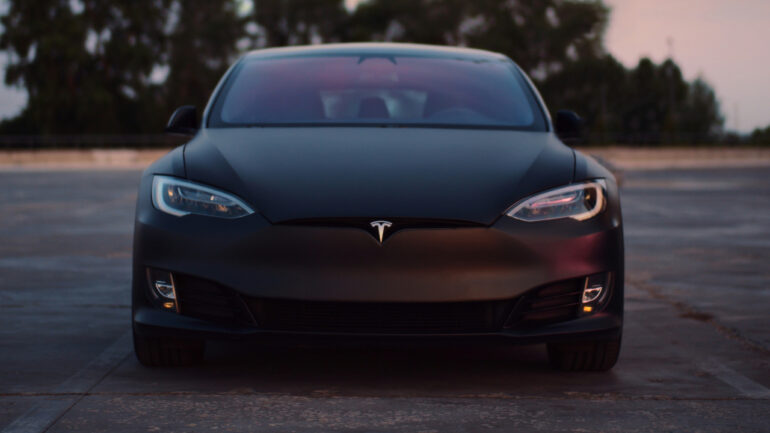

Tesla recently made a significant change to its marketing strategy by deciding that Tesla stops using Autopilot as a primary promotional term for its electric vehicles in California. This move was not just a branding refresh. It was a calculated decision made to settle a high stakes legal battle with the California Department of Motor Vehicles. By removing the specific branding from its marketing materials, the company successfully avoided a 30-day suspension of its manufacturing and dealer licenses in the state.
Table of Contents
The root of the California DMV settlement
The friction between Tesla and California regulators has been building for several years. Back in 2021, the DMV launched an investigation into the way the company advertised its software. The agency argued that using the term Autopilot was inherently misleading because it suggested the cars could operate without human intervention. In reality, these systems are classified as Level 2 driver assistance, which means they require a fully attentive driver at all times.
In late 2025, an administrative law judge ruled against the automaker, stating that the marketing materials violated state laws designed to protect consumers from deceptive claims. The judge recommended a month long ban on sales and manufacturing, which would have been a massive blow given that California is the largest market for the brand in the United States. To keep the gears turning at the Fremont factory and keep the showrooms open, a California DMV settlement became the only logical path forward.
Understanding the limits of Tesla driver assistance
It is important to understand exactly what these systems do and do not do. For a long time, the public perception of Tesla driver assistance has been caught between reality and aspiration. The standard Autopilot suite traditionally included features like traffic aware cruise control and autosteer. While these are great for highway driving, they are not autonomous.
Regulators pointed out that Tesla’s website once featured language suggesting the system could conduct long distance trips with no action required by the person in the driver’s seat. The DMV’s stance was clear: since the cars cannot actually drive themselves safely without a human ready to take over, calling the tech Autopilot creates a dangerous level of overconfidence. By stepping away from this branding in California, the company is finally aligning its public messaging with the actual technical limitations of the software.
Shifting focus to Full Self-Driving Supervised
As the company moves away from its older branding, it is doubling down on its more advanced package, now officially called Full Self-Driving Supervised. The addition of the word supervised is a direct response to the same regulatory pressure that led to the branding changes. This rebranding is a clear attempt to stay within the bounds of EV marketing regulations while still highlighting the advanced capabilities of the software.
Even though the name includes the phrase full self-driving, the mandatory supervised label reminds users that they are still legally and practically responsible for the vehicle. This shift in nomenclature is becoming standard across the industry as more automakers realize that regulators are no longer giving them a free pass on aspirational naming conventions.
If you are looking to buy a car in California today, you will notice the language on the website is much more grounded. You will see more mentions of driver supervision and fewer grandiose claims about hands free travel. While the technology inside the car remains highly capable, the way it is sold to you has changed forever.
The company has also started moving toward a subscription model for its top tier software, which allows them to update the pricing and the naming more fluidly as the tech evolves. For the average driver, this means more clarity on what they are actually paying for. It is a win for transparency, even if it took a legal threat to make it happen.