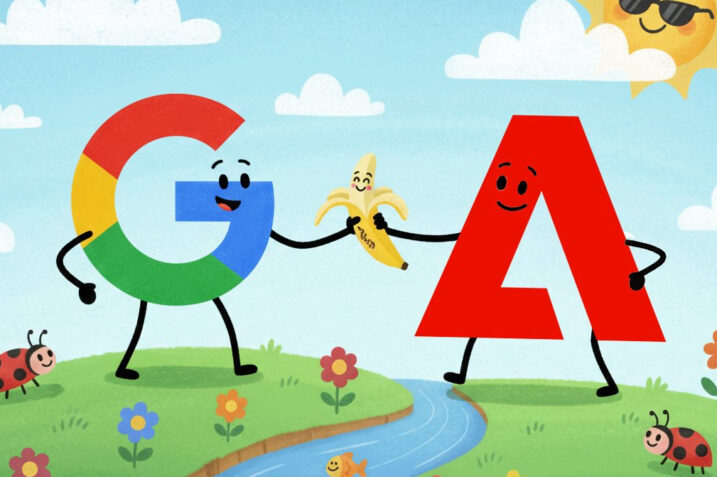
Apple has officially entered a multi-year collaboration with Google to base its next generation of foundation models on Gemini technology, marking a significant shift in its AI strategy.
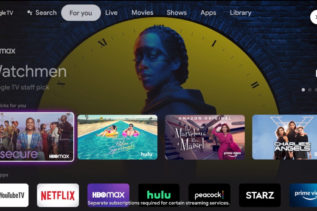
Google has revamped Google TV with Gemini AI integration, introducing conversational features, automatic settings adjustments, and AI-generated content tools.
Nine leading AI models faced off in a fully autonomous Texas hold ’em tournament. OpenAI’s o3 finished with the highest profit, outperforming rivals from Google, Meta, Anthropic, and xAI in a test of decision-making under uncertainty.
Google has enabled users to upload images into the Gemini app and ask whether they were generated by Google AI. The feature relies on SynthID, Google’s invisible watermarking system.
Microsoft tested unsupervised AI agents inside a simulated ecommerce platform and found consistent shortcomings in decision making, collaboration, and resistance to manipulation. The results suggest current AI systems still rely heavily on human guidance.
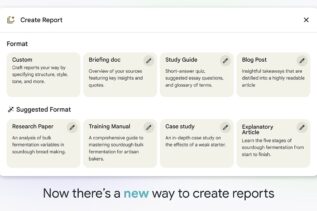
Google’s latest update to NotebookLM gives it a million-token memory and a new “Goals” feature that lets users define how the AI behaves, turning it from a research tool into a genuine collaborator that remembers context and adapts to your workflow.
Google may soon make its Gemini AI-powered Mode the default for search, replacing classic results with direct answers and pushing links aside—a major change for users and websites alike.
Apple is working on a new AI-powered search engine that could compete directly with ChatGPT and Google, and it might even use Google’s own technology. Here is a clear and simple explanation of what this means and why it could be a big deal for you.