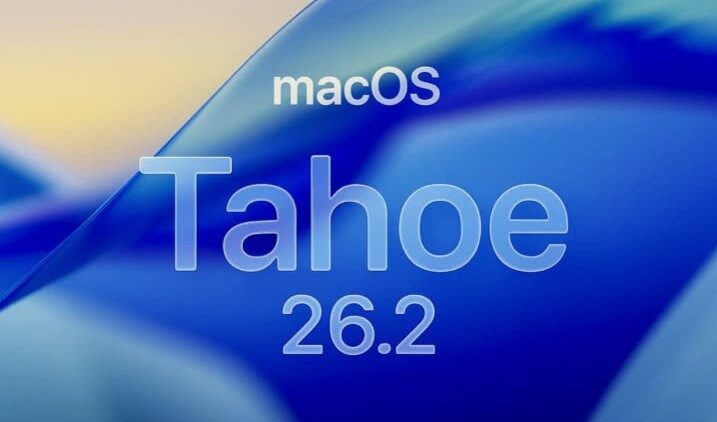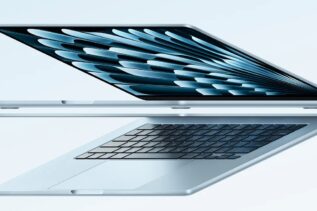
The latest update for macOS Tahoe adds a system wide background blur feature that works across all video calling apps, giving users more privacy during meetings.
The US House Committee on Homeland Security has asked Google and Apple to explain how they are preventing apps that track ICE and CBP officers from appearing on their platforms, citing safety concerns for federal personnel and past links to violent incidents.
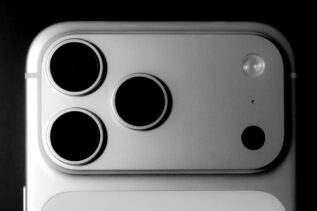
Reports suggest that Apple is testing under-display camera technology for the iPhone 18 lineup. If implemented, this feature would allow for a completely uninterrupted screen, moving the front-facing camera beneath the display panel. While competitors like Samsung introduced similar technology in 2021, Apple is reportedly focusing on perfecting image quality before its official debut.
Apple will not comply with an Indian government directive to pre-install the Sanchar Saathi cybersecurity app on all new iPhones sold in the country. The November 28 order from the Department of Telecommunications requires the app on new devices within 90 days and via updates on existing phones, with no option for users to disable it. Apple cites privacy and security concerns.
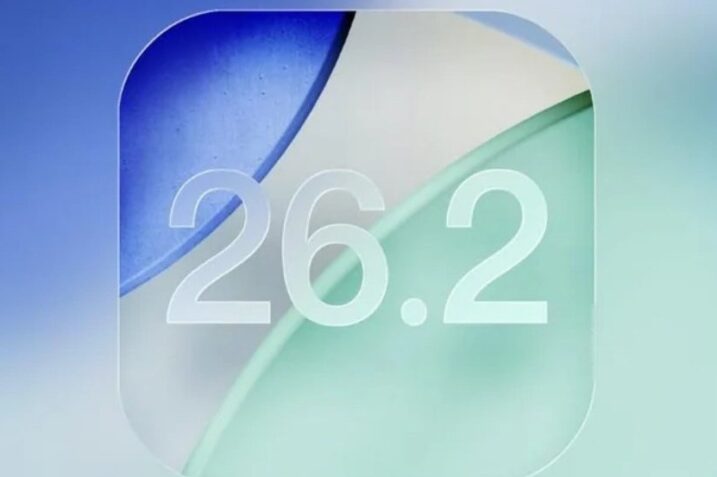
Apple has rolled out the next iOS 26.2 beta, introducing a practical AirDrop improvement and new system references tied to future voice assistant changes. The update focuses on usability refinements and under the hood groundwork rather than visible interface redesigns.
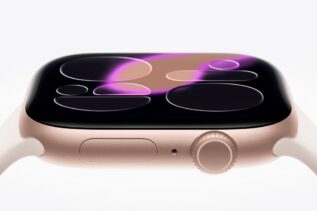
A federal jury in California has ruled that Apple must pay medical technology company Masimo $634 million after finding the Apple Watch infringed patents related to health monitoring technology. The decision follows a multi-year legal dispute and adds another chapter to ongoing patent litigation involving wearable health features.
Apple is reportedly planning to give all four iPhone 18 models 12GB of RAM, ending years of memory differentiation across the lineup. The change, driven by AI and Apple Intelligence needs, could reshape how Apple positions its next-generation smartphones.
Microsoft is planning to move Surface laptops, tablets, and server manufacturing out of China starting in 2026. The move reflects growing trade tensions with China and follows a broader industry trend of diversifying global supply chains.