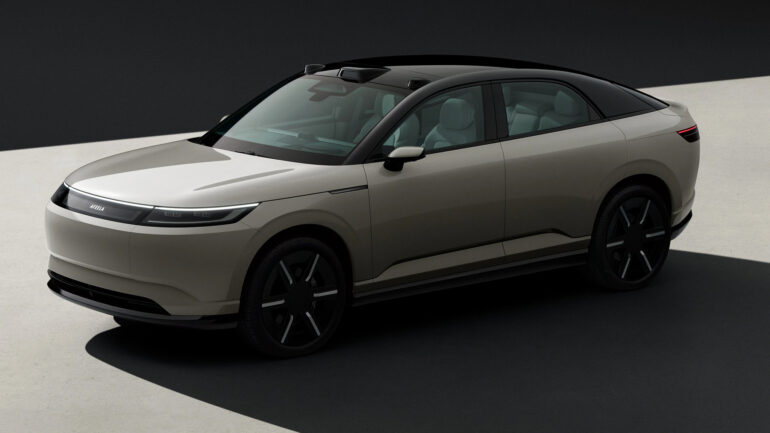

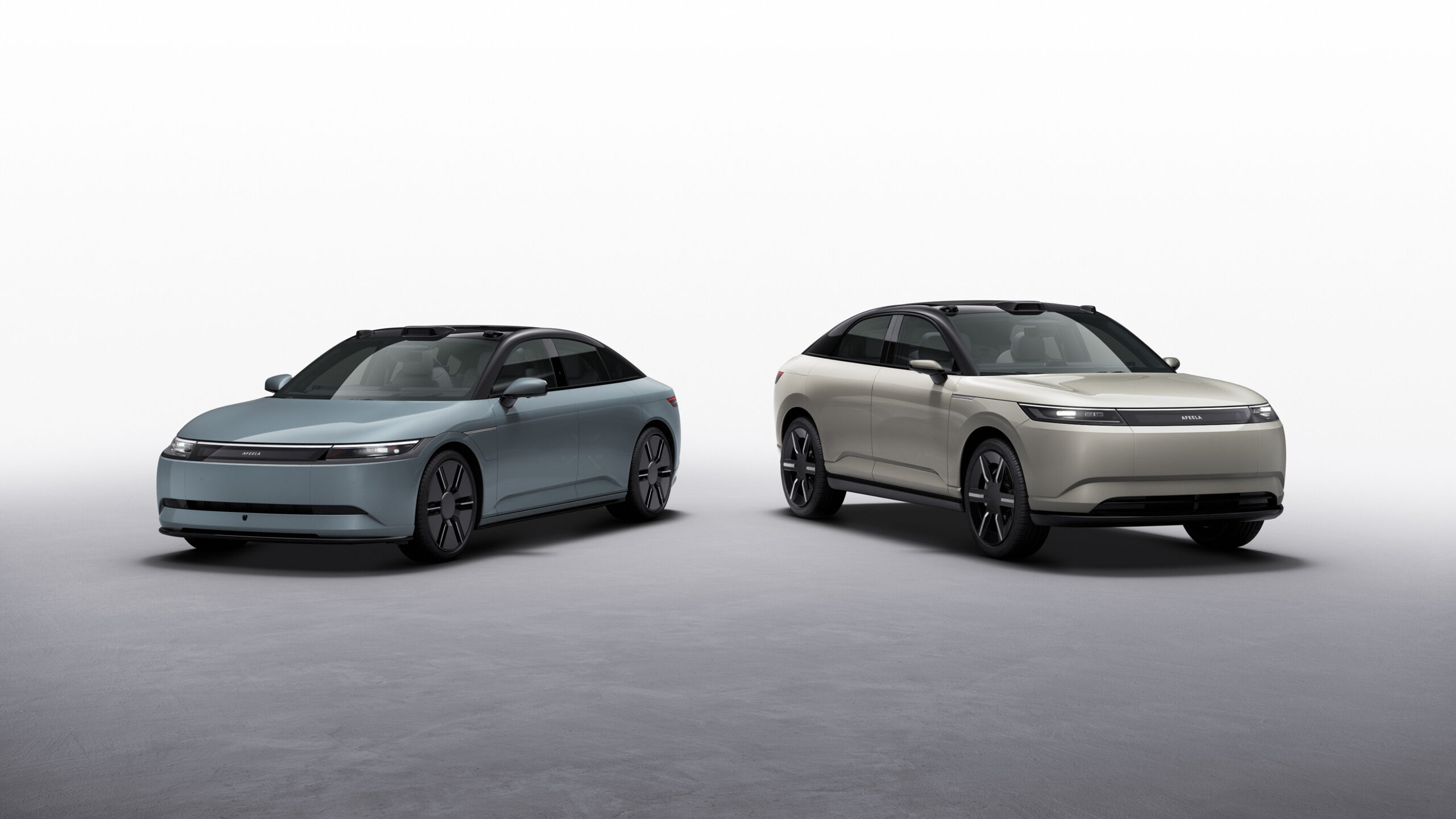
I have been following the Afeela project since Sony and Honda first teamed up, and for a long time, it felt like they were stuck on a design that the world was moving past. They spent years showing us a sleek, minimalist sedan that looked nice but felt a bit out of touch with what people actually park in their driveways. At CES 2026, they finally made the move that everyone expected: they revealed an SUV version of the Afeela. This matters because it shows that even tech giants like Sony have to face the reality of the car business. If you want to survive as a new brand, you need a high-riding, spacious vehicle that appeals to families and premium buyers.
The design is rather ‘safe’ than revolutionary
The new Afeela SUV prototype looks very similar to the sedan, just taller and bulkier. It keeps the “Media Bar” on the front, which is a screen that can display the charging status, weather, or even advertisements. While it is cool to see a car that can talk to the outside world, the overall shape is very smooth and simple. This is a strategic choice. Sony and Honda are not trying to win people over with aggressive styling. They are trying to sell you on the idea that the car is a “living space” rather than just a machine.
For your daily life, this means the interior is the real star. The cabin is filled with screens that stretch from one side to the other. Because Sony is involved, the entertainment system is top-tier. You can play PlayStation games, watch movies, and enjoy spatial audio that makes the car feel like a moving theater. Honda provides the actual “car” part of the equation, ensuring that while the tech is fancy, the vehicle still handles well and stays safe on the road.
A car that doubles as a mobile office or even a portable theatre
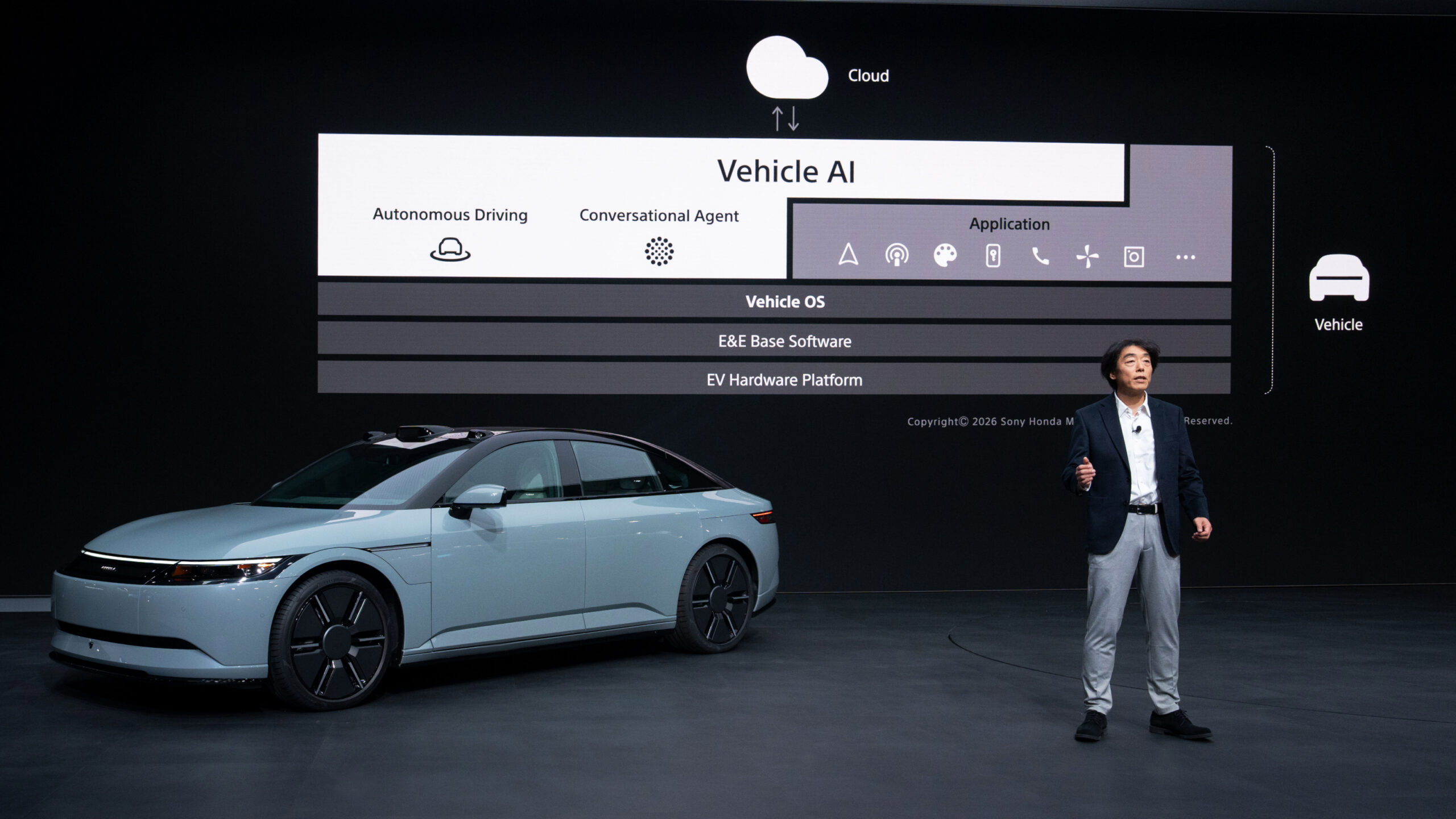
The biggest selling point for the Afeela SUV is the integration of AI and high-speed connectivity. The companies are calling it a “Sensing Device.” With 45 cameras and sensors placed all over the vehicle, the car is constantly scanning its surroundings. This is not just for safety; it is about creating an automated experience. The car recognizes you as you walk up, opens the doors, and adjusts everything to your preference before you even sit down.
This matters for the business of mobility because Sony and Honda are trying to move away from a one-time sale. They want to create a subscription model where you pay for software updates, premium entertainment, and advanced driving features. It turns the car into a mobile smartphone. If you are someone who spends a lot of time commuting, the idea of a car that acts as an office or a relaxation pod is very attractive. They are betting that in the future, we will care less about horsepower and more about how much work or resting we can get done while the car drives itself.
How does it stand up to its competitors?
Entering the electric SUV market in 2026 is incredibly difficult. Cadillac, Tesla, and Rivian already have very strong products on the road. To stand out, Afeela is leaning heavily on its partnership with Epic Games. They are using Unreal Engine 5 to power the car’s interface and create a “digital twin” of the world on your dashboard. This allows for augmented reality navigation that looks like a video game, showing you exactly where to turn by overlaying arrows onto a live feed of the road.
However, the question remains whether people will choose a Sony-branded car over established luxury brands. By choosing an SUV for their second prototype, they are at least giving themselves a fighting chance in the most profitable segment of the market. It is a sign that the partnership is maturing and becoming more realistic about what it takes to actually sell a vehicle to a modern consumer.
When can we expect to see the AFEELA SUV on the roads?
Sony Honda Mobility has confirmed that they are moving toward production with both the sedan and the SUV. Here is the current timeline and expected cost:
Pre-orders for the Afeela brand are expected to open in late 2026, and the first deliveries of the sedan are scheduled for early 2027 in North America, with the SUV version expected to follow in late 2027 or early 2028. All the vehicles will be built at a Honda facility in Ohio, which makes them eligible for certain US tax credits. While official pricing has not been locked in, industry analysts expect the Afeela SUV to start between $65,000 and $75,000.
The companies also noted that the “SUV spin” on the prototype is very close to the final production model, so what you see on the CES stage is likely what will be sitting in showrooms next year.