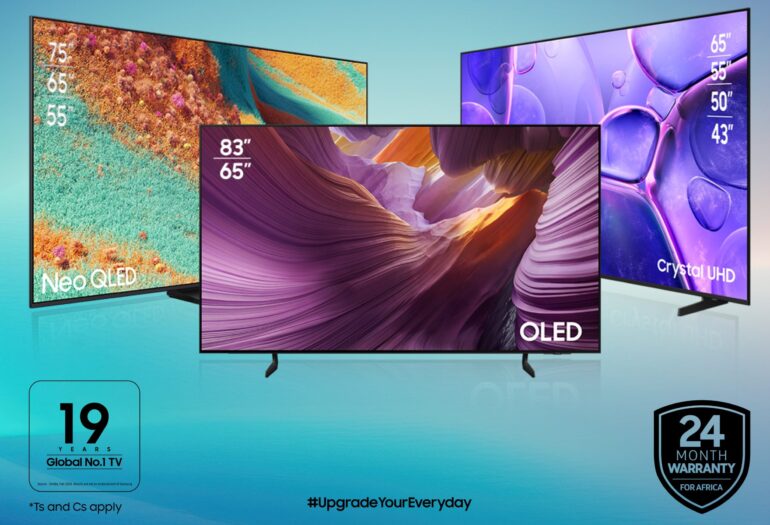

Samsung TV consumers may soon face higher costs as the tech giant navigates a severe shortage of DRAM and other essential memory components. Samsung co-CEO T M Roh stated that the current situation is unprecedented and that no company in the electronics sector is immune. While Samsung utilizes its massive scale to lock in supplies ahead of time, the rising cost of raw materials is making price hikes “inevitable.” Analysts expect that affordable models will be the first to reflect these changes, as they operate on much thinner profit margins than flagship OLED or Micro-LED displays.
Table of Contents
Samsung TV production vs AI demand
Samsung TV manufacturing is competing directly with the booming artificial intelligence industry for silicon wafer capacity. Major memory makers have shifted their focus toward high-bandwidth memory (HBM) and high-capacity DDR5 modules required by AI data centers, which are significantly more profitable than the general-purpose memory used in televisions and home appliances. This strategic reallocation has created a “permanent” shift in the supply chain, meaning that the restricted supply of consumer-grade memory is unlikely to resolve in the near future.
Samsung TV market outlook for 2026
Samsung TV updates for 2026, including new OLED and Mini-LED flagships, are expected to maintain their high-end specs despite the crisis. However, the impact on the broader market could lead to a stagnation in features for budget-friendly devices. Because memory accounts for a smaller percentage of a television’s total cost compared to a smartphone or PC, the price jumps may not be as extreme as in those categories. Nevertheless, buyers are being advised to monitor sales closely, as the era of consistent year-over-year price drops for 4K displays may be coming to a temporary end.