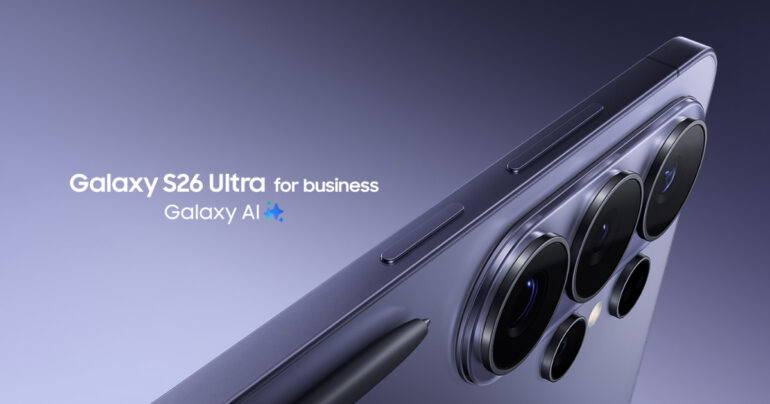

Samsung has a very specific way of handling its most powerful hardware when it comes to the corporate world. Without much in the way of a flashy stage presentation or a massive advertising push, the company has introduced the Samsung Galaxy S26 Ultra Enterprise Edition. It is a move that acknowledges a simple truth in the tech industry: what a teenager wants from a phone is very different from what a Chief Information Officer needs, even if they are both holding the exact same piece of glass and titanium.
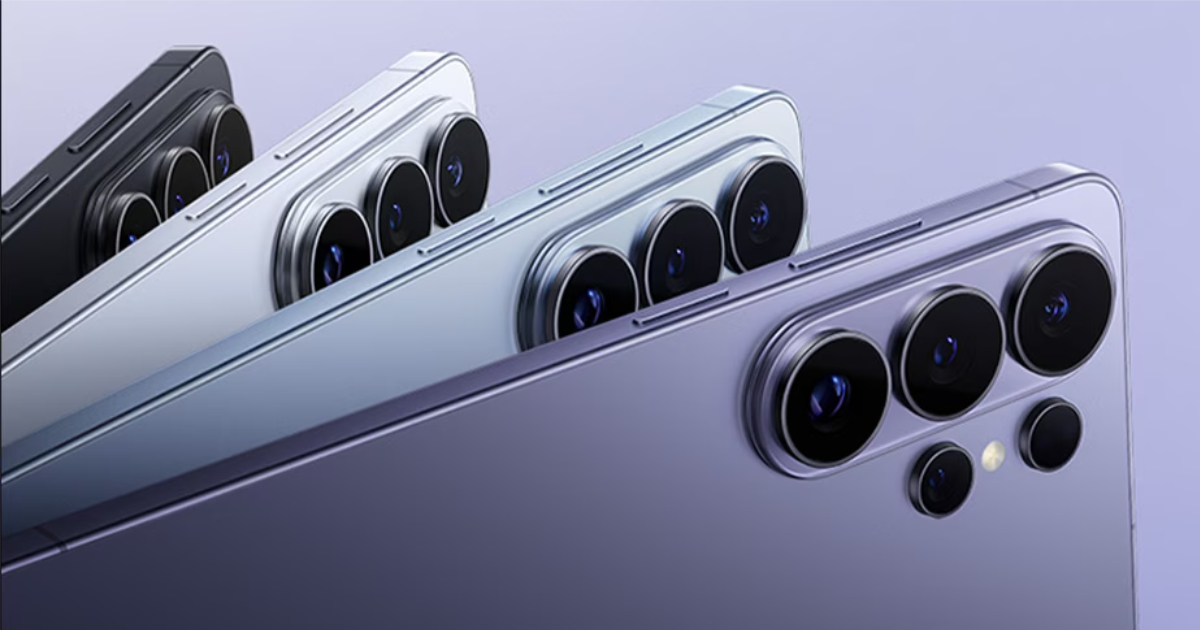
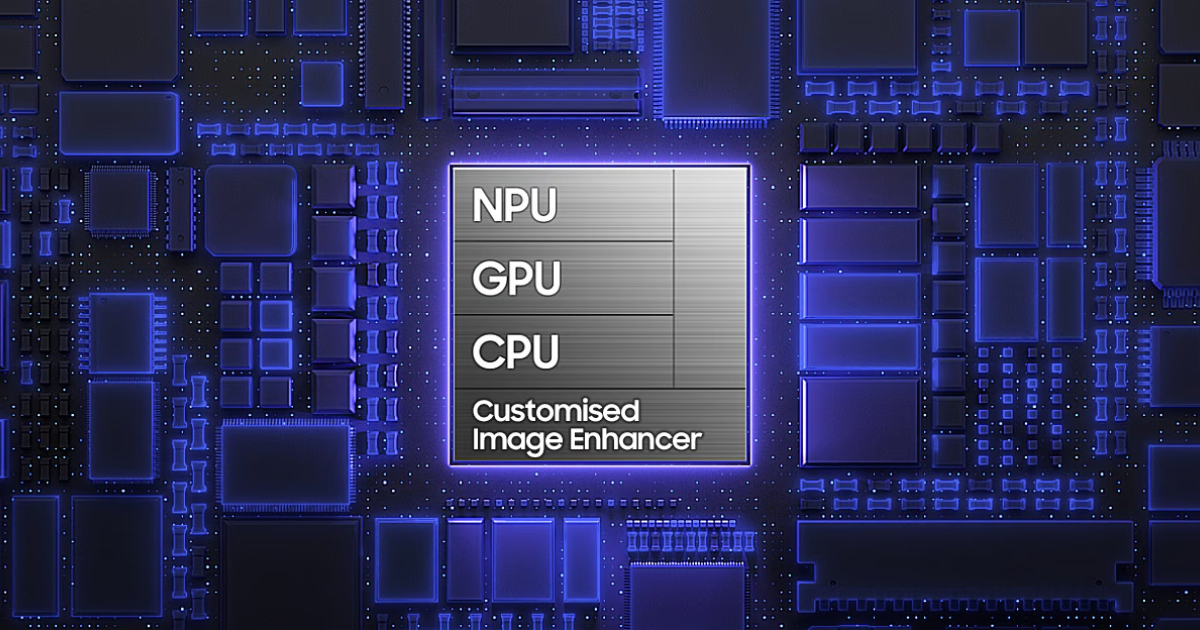
If you were expecting the hardware to be different, you can put that idea to rest. This version of the phone shares every single spec with the consumer model that launched recently. You are still getting the same Snapdragon processor, the same high resolution display technology, and the same complex camera array. The colors and the design language remain identical. The real story here is not about what is inside the box, but the service and software layer that sits on top of it.
Why businesses need a different version
For an individual, buying a phone is a one time transaction. For a company managing a fleet of hundreds or thousands of business phone procurement units, it is the start of a multi year logistical challenge. This is where the Samsung Galaxy S26 Ultra Enterprise Edition earns its keep. IT administrators need to be able to enroll devices into a controlled environment the second they are taken out of the plastic.
The enterprise variant is built for these specific procurement programs. It allows for centralized configuration and enhanced oversight. If a company wants to block certain apps or enforce a strict biometric security policy across every device in the organization, they need the specialized software hooks that come with this version. It provides a level of predictable security maintenance that you simply do not get with a standard retail purchase.
Parity in pricing for the US market
One of the more interesting aspects of this launch is the pricing strategy in the United States. Usually, when a company adds “Enterprise” or “Pro” to a product name, a price hike follows. That is not the case here. Samsung is offering the enterprise model at the exact same hardware cost as the consumer version.
The Galaxy S26 Ultra corporate price starts at $1,299 for the 256GB version. If your team needs more room, the 512GB model sits at $1,499, and the top tier 1TB version costs $1,799.99. Because there is no surcharge for the enterprise enrollment benefits, procurement teams do not have to jump through hoops to justify the cost to their finance departments. The evaluation for a business shifts away from the sticker price of the hardware and toward the value of the lifecycle planning and the extended support framework.
Regional differences and storage hurdles
While the US market gets a straightforward deal, the situation in the UK is a bit more nuanced. For starters, the 1TB storage configuration is missing from the UK enterprise catalog. This is a significant blow for organizations that handle massive amounts of local data or high resolution video on the go. If a firm relies on that extra local capacity, they are going to have to look at external storage solutions or cloud based strategies.
Furthermore, the EE carrier version in the UK comes with a slight price increase. These regional differences are exactly why centralized procurement can be such a headache for multinational corporations. A company might have a global policy for its mobile fleet, but the actual availability of storage tiers and carrier agreements can vary wildly once you cross an ocean.
Navigating the procurement route
For the average person reading this, you probably will not see this phone on the shelf at your local Best Buy or carrier store. It lives within the commercial portfolio and is accessed through official business sales channels. It is a tool for the “frontline” of the corporate world, designed to be managed, tracked, and secured in ways a consumer phone never has to be.
The lack of a major promotional campaign for this model tells you everything you need to know about who it is for. Samsung knows its audience. They are talking to the IT directors and the logistics managers who care more about enterprise mobility features and lifecycle stability than they do about a new color or a slightly faster charging speed. It is a pragmatic, unbiased approach to flagship hardware that prioritizes the needs of the organization.