
The practical problem robotaxis are meant to solve is labor dependency. Human driven ride hailing does not scale cleanly. Drivers churn, coverage fluctuates by time of day, and operating costs rise with wages and incentives. Autonomous vehicles promise consistent availability and predictable cost structures. That promise collapses if the vehicle cannot handle edge cases reliably or if deployment moves faster than safety validation allows.
Autonomous driving systems must replace a human’s ability to interpret incomplete and noisy information. Roads are unstructured environments. Lane markings fade. Pedestrians behave unpredictably. Weather interferes with sensors. Every robotaxi expansion plan is constrained by how well the system handles these conditions without human intervention. This is why expansion happens city by city instead of nationally.
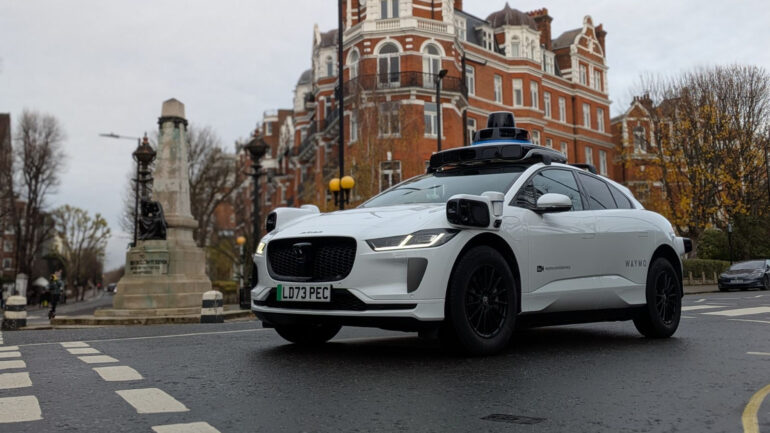
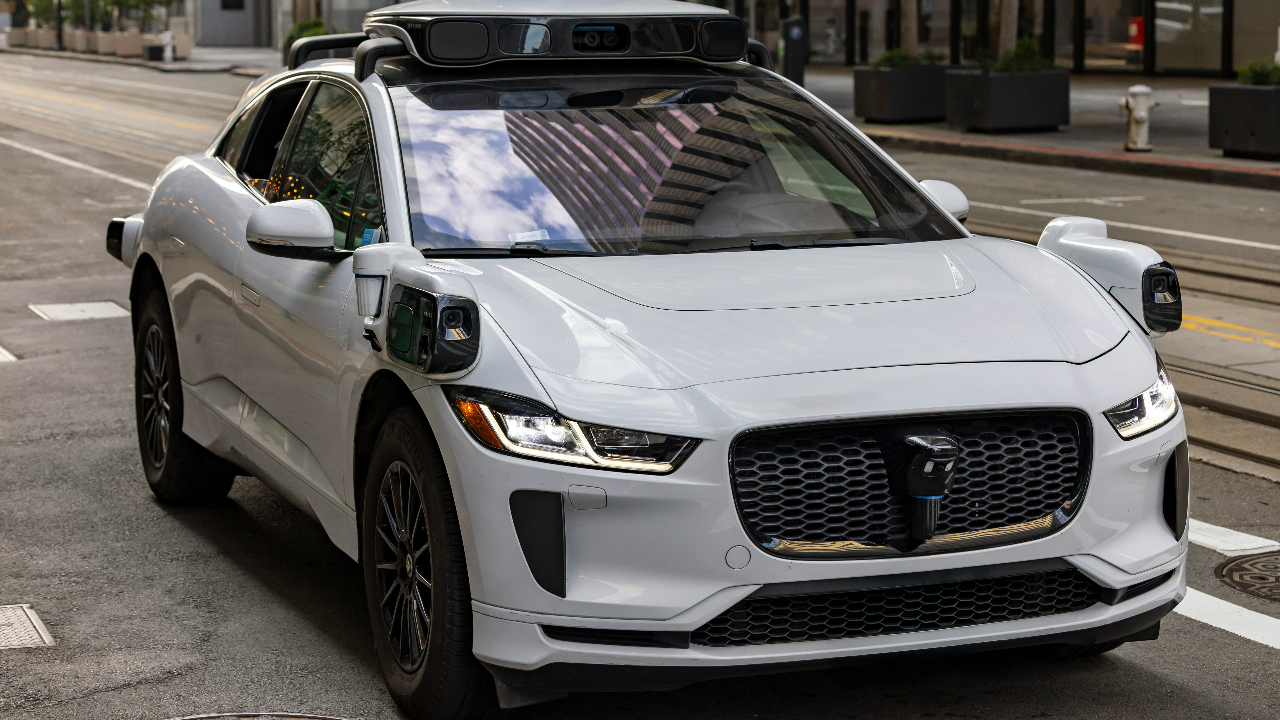
Waymo’s approach illustrates this constraint clearly. Its vehicles operate only in tightly mapped areas where road geometry, traffic patterns, and environmental variables are already known. The maps act as a stabilizing layer. They reduce uncertainty by telling the vehicle what should exist before sensors confirm what does exist. Without this prior knowledge, the system would rely entirely on real time perception, which increases failure risk.
That mapping requirement creates a bottleneck. Each new city requires extensive data collection, validation, and simulation. Expansion speed is therefore limited by mapping throughput and regulatory approval rather than vehicle production. This is why Waymo grows incrementally even after years of testing.
Zoox adds another layer of constraint by using a purpose built vehicle with no steering wheel or pedals. This design solves a human factors problem. Removing manual controls eliminates ambiguity about who is responsible during operation. The vehicle is always in autonomous mode. The tradeoff is regulatory friction. Many jurisdictions require exemptions or new rules for vehicles without manual overrides. Expansion depends on lawmakers agreeing that software alone can meet safety standards traditionally enforced through mechanical redundancy.
Vehicle design also affects deployment density. Zoox vehicles are optimized for low speed urban environments. This reduces kinetic energy in collisions, lowering injury risk. It also limits operating areas. High speed roads and mixed traffic conditions remain out of scope. Expansion therefore targets dense urban cores rather than suburban or highway networks.
Tesla approaches the problem differently by avoiding geofenced operation. Its system aims to generalize driving behavior using vision based perception trained on large data sets. The benefit is theoretical scalability. A system that works everywhere does not need city specific mapping. The cost is validation difficulty. Proving that a generalized system is safe across all environments is harder than proving safety in a restricted zone.
This difference explains Tesla’s cautious rollout strategy. Even if the software improves quickly, deployment must wait until confidence in rare edge case handling reaches acceptable levels. A single high profile failure undermines trust and triggers regulatory scrutiny. This is not a public relations issue. It directly affects licensing, insurance costs, and operational permissions.
Another constraint shaping robotaxi expansion is remote intervention. Most services rely on human supervisors who can intervene when a vehicle encounters a situation it cannot resolve. This solves the immediate problem of deadlock or confusion. It introduces a scaling ceiling. One supervisor can only monitor a limited number of vehicles. If intervention rates are too high, operational costs rise and the driverless promise erodes.
Reducing intervention frequency requires improvements in perception, prediction, and planning. Each improvement must be validated across millions of miles. Simulation helps, but real world driving produces edge cases that models fail to anticipate. This is why expansion plans often include limited operating hours or restricted conditions such as fair weather or daylight. These limits reduce variability while the system matures.
Infrastructure compatibility is another limiting factor. Robotaxis depend on reliable connectivity for updates, telemetry, and remote support. Urban areas with dense cellular coverage are easier to support. Poor connectivity increases latency in remote oversight and degrades safety margins. Expansion plans naturally prioritize cities with robust network infrastructure.
There is also a fleet economics problem. Robotaxis must achieve high utilization to justify capital costs. Idle vehicles burn depreciation without generating revenue. Early expansions focus on areas with predictable demand patterns to keep vehicles moving. Low density regions struggle to meet this requirement, making them unattractive despite technical feasibility.
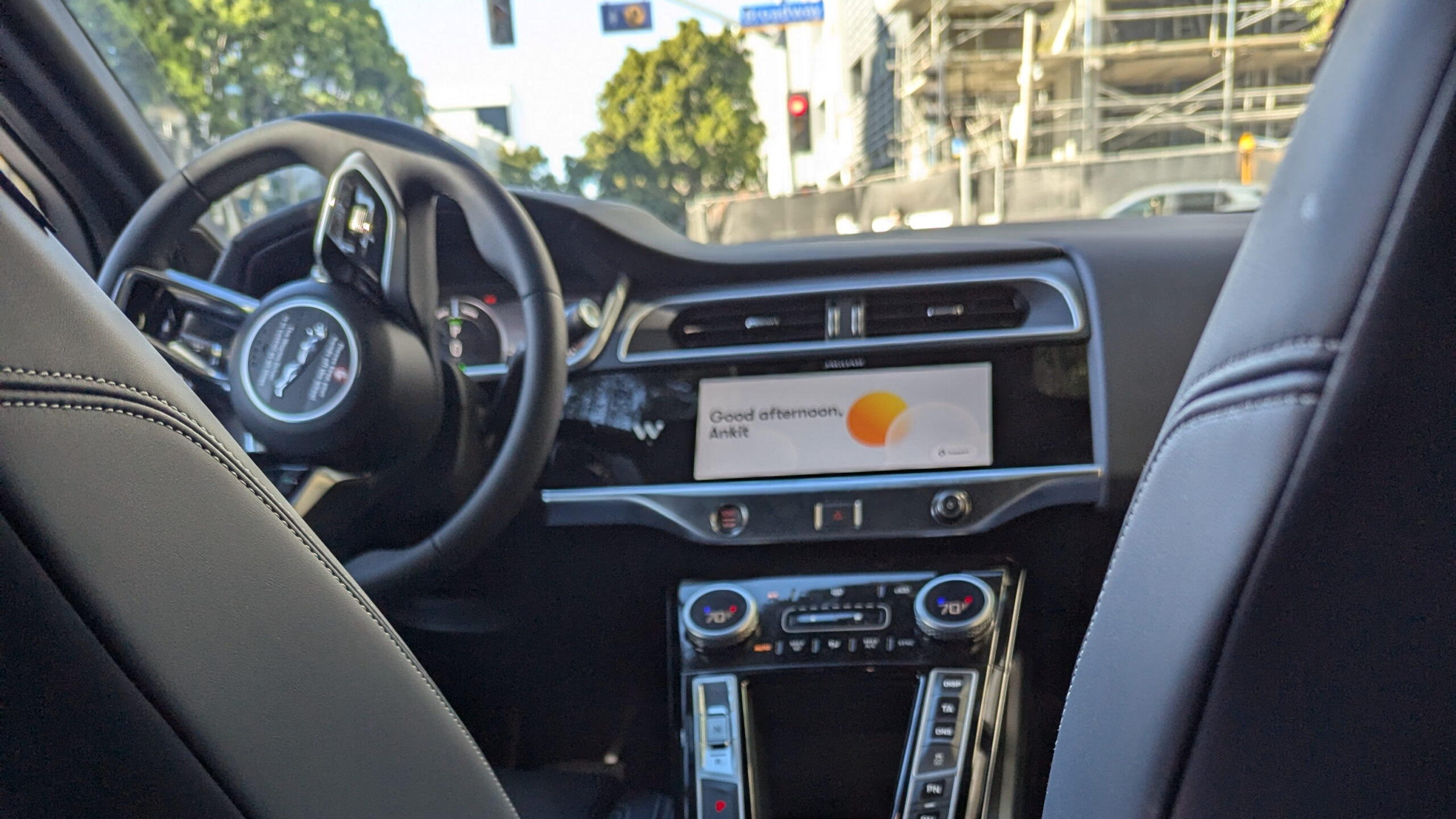 Image Source – X
Public acceptance plays a role but it is downstream of system behavior. Passengers tolerate novelty if rides are smooth and predictable. Abrupt stops, awkward routing, or excessive hesitation reduce trust quickly. These behaviors often emerge at the boundary of a system’s confidence. Expansion therefore proceeds only when user experience metrics stabilize.
Regulators add another layer of constraint. Safety reporting, disengagement data, and incident transparency influence approval timelines. Different cities and countries impose different requirements. A system approved in one jurisdiction may need modifications to operate elsewhere. This regulatory fragmentation slows expansion even for technically capable systems.
Weather remains an unresolved constraint. Rain, fog, and glare degrade sensor performance. Snow obscures lane markings and curbs. Some systems handle these conditions better than others, but none eliminate the problem entirely. Expansion plans usually avoid regions with frequent adverse weather until reliability improves.
Competition between companies does not remove these constraints. It exposes them. Each expansion announcement reflects where a system is strong enough to operate without excessive intervention or risk. The differences between Tesla, Waymo, and Zoox are not marketing choices. They are consequences of architectural decisions made years earlier.
Robotaxis are rising in visibility, but their footprint remains bounded by validation capacity, regulatory alignment, infrastructure readiness, and system reliability under unpredictable conditions. Expansion is not limited by ambition or funding. It is limited by how many environments can be proven safe without human fallback and how quickly those proofs can be repeated at scale.