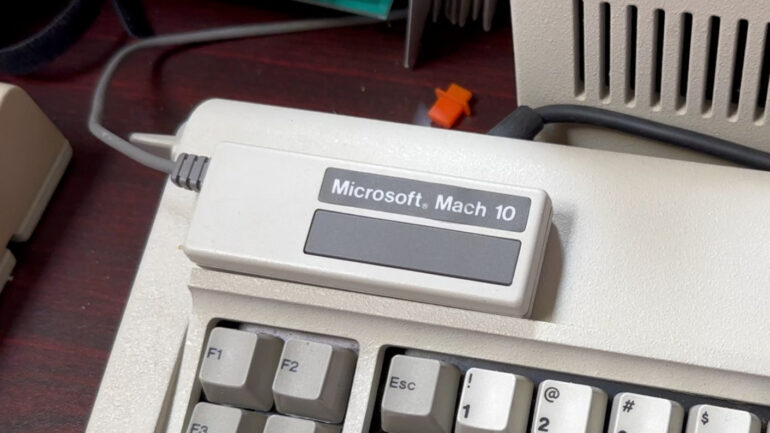

Microsoft cranked out hits like Windows and Office, but buried in the archives sits OS/2 for Mach 20 – the hands-down worst-selling product ever. The team at Techplugged dug into the records: only 11 copies ever shipped to customers. Eight shot back as returns from disappointed buyers. This wasn’t some flop game or dud app. It was a full-blown operating system variant built for hardware almost nobody owned. Pure obscurity from the get-go.
Flash back to the late 1980s. PCs exploded with faster chips and better graphics, but businesses clung to their XT and AT machines running DOS. Full upgrades cost a fortune. Enter Microsoft’s Mach series: plug-in cards to juice old rigs without tossing them. Mach 10 kicked off with a 286 processor and extra RAM via the ISA bus. Mach 20 ramped it up, with the same 80286 core but expandable to megabytes of memory, linear frame buffers for graphics, and promises of snappier performance. Sounded genius for cash-strapped IT departments dodging the 386 revolution.
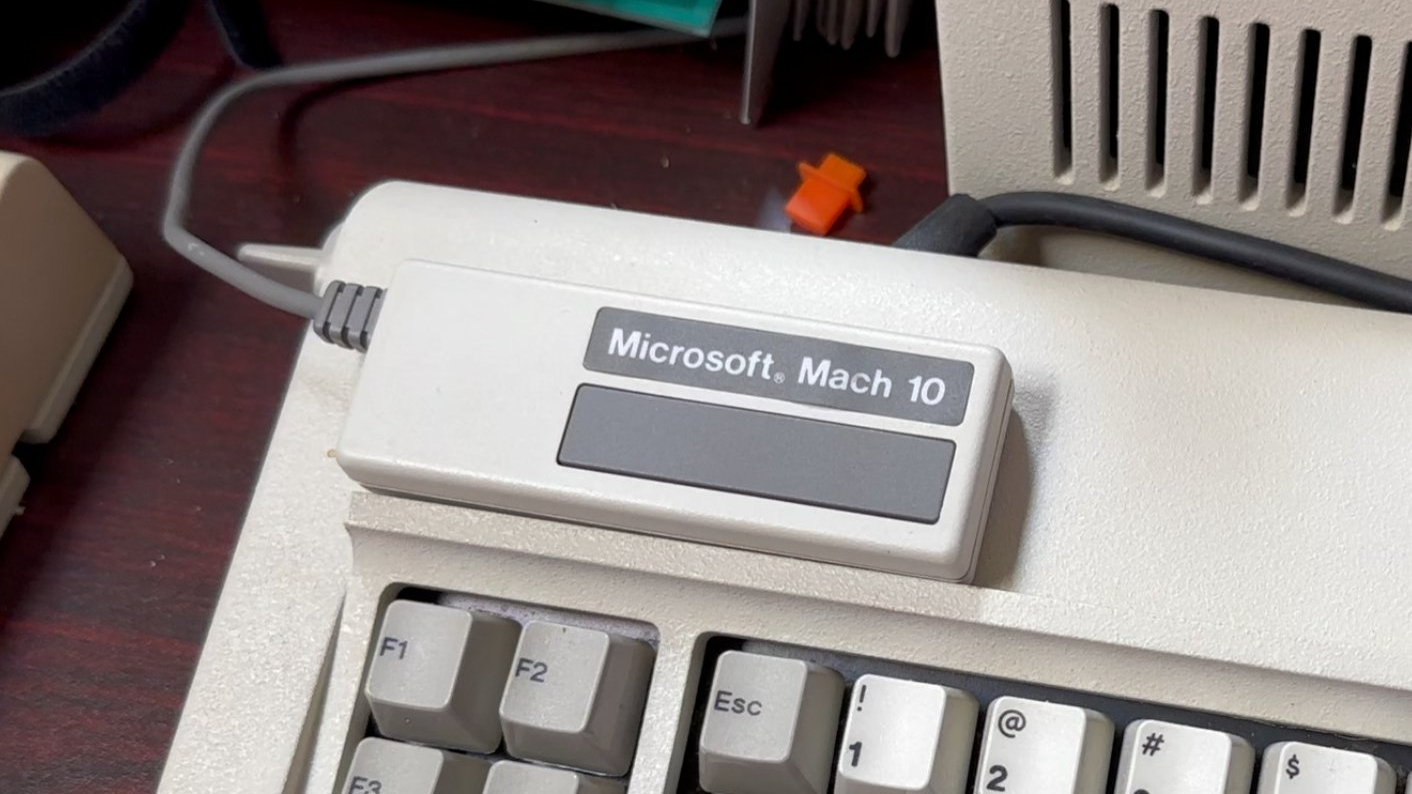
Reality hit hard. The Mach 20 plugged into ancient 8-bit ISA slots, bottlenecking that shiny new 286. Bandwidth topped out at 8MB/s while 386 motherboards screamed past 30MB/s. Price tags hovered around $1,000-$2,000 adjusted for today – steep for a half-measure. Market shifted overnight. EISA and Micro Channel buses killed ISA upgrades dead. Companies skipped bandaids and bought 386/486 boxes outright. Intel dumped the 286 by 1989, dooming expansion cards to irrelevance.
Microsoft doubled down with OS/2 for Mach 20. OS/2 itself was their big bet with IBM to crush DOS and Windows – multitasking, protected mode, all that jazz. But this edition locked to Mach hardware. No broad appeal. Install needed the exact card; generic OS/2 wouldn’t fly. Sales? That pathetic 11 units. Returns cited crashes, incompatibility, and “just buy a new PC.” IBM bailed on OS/2 soon after, handing Microsoft the keys to Windows dominance.
Mach cards echoed failed experiments like Intel’s Above board or chips like the 80186. They worked in labs but flopped commercially. OS/2 for Mach 20 shipped around 1987-1988, vanishing by 1990. No box art, no ads, no legacy. Today, collectors hunt these on eBay for $200+. Emulators like PCem recreate the setup, but real iron? Unicorn rare. Microsoft’s pivot to Windows 3.0 crushed it with 10 million sales by 1993.
So, why did the product tank so hard?
- Hardware Mismatch: 286 in ISA era couldn’t touch native 386 speed.
- Insane Pricing: $1,500+ for what? Incremental gains.
- Market Sprint: PCs went 16/32-bit native; no room for retrofits.
- OS Lock-In: Mach-specific OS/2 scared off everyone.
- Returns Galore: 73% failure rate on the few sales.
Tape storage, power banks, now this – tech history’s littered with hype-to-bust stories. Microsoft’s redemption? Trillions in market cap. But OS/2 Mach 20 stays the goat.