
It is rare to see a high-level executive be this blunt about a project that defines their company’s name. Meta CTO Andrew Bosworth recently sat down to talk about the massive restructuring within Reality Labs, and he didn’t pull any punches. After cutting roughly 10% of the workforce in that division, Bosworth is essentially calling for a reality check. The new direction for the metaverse is no longer about forcing everyone into a headset; it is about meeting users where they actually are, which turns out to be their smartphones.
The shift comes after Reality Labs reportedly racked up billions in losses. While the dream of a fully immersive digital world hasn’t been abandoned, the aggressive timeline has been shredded. Bosworth mentioned that VR simply hasn’t grown as quickly as the company hoped, forcing them to “right-size” their investments to match the actual market demand.
Moving the metaverse to your pocket
One of the most interesting takeaways from this pivot is the future of Horizon Worlds. For a long time, Horizon was the flagship experience for the Quest headsets. But according to Bosworth, the new direction for the metaverse involves a massive lean toward mobile. He pointed out that the team was essentially building everything twice, once for VR and once for mobile.
To increase “velocity,” Meta is now shifting those resources almost exclusively to the mobile version of Horizon. They have seen a much more positive pickup on smartphones, which makes sense given that almost everyone already has one. By focusing on mobile, Meta is looking to compete more directly with platforms like Roblox and Fortnite rather than trying to convince a skeptical public to wear a heavy visor for hours on end.
A leaner approach to virtual reality hardware
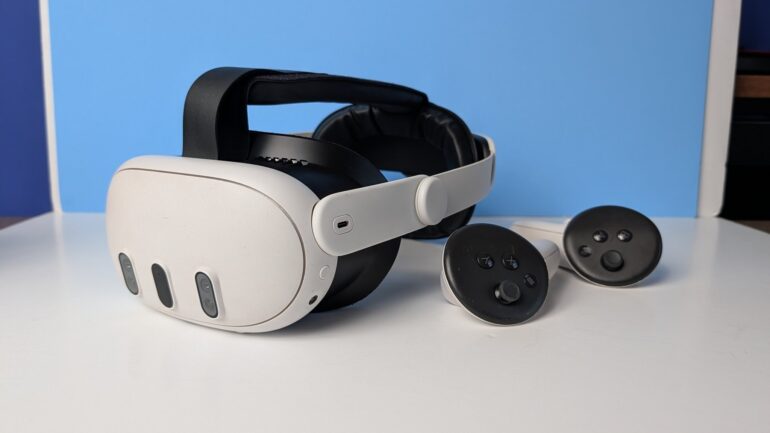
If you are a fan of the Quest headsets, don’t worry, as they aren’t going away anytime soon. However, the days of Meta trying to be the sole provider of everything in the VR space are likely over. Bosworth’s mantra now is to “let VR be what it is.” This means Meta will step back from building its own massive first-party game library and instead focus on supporting third-party developers who have already found success on the platform.
The Reality Labs layoffs hit several in-house game studios, including the teams behind some of the most popular VR titles. This move signals that Meta is done trying to subsidize the entire ecosystem on its own. They want a sustainable business model where the headset acts as the hardware, but the content comes from a wider variety of sources. This leaner strategy is designed to keep the VR segment alive without it being a constant drain on the company’s treasury.
Doubling down on AI and wearables
While the VR side of the business is being trimmed, the investment is not just disappearing. It is being funneled into what Meta sees as its true growth engine: AI smart glasses. The success of the Ray-Ban Meta glasses has clearly changed the internal hierarchy at the company. Andrew Bosworth noted that while VR growth was sluggish, the adoption of smart glasses has been “rapid.”
The new direction for the metaverse includes a heavy reliance on these “heads-up” devices that use AI to interact with the real world. Zuckerberg has recently pivoted the company’s narrative to put AI at the center of all social platforms. Instead of a virtual world you enter, the goal is now a digital layer that sits on top of your physical life through lightweight glasses.