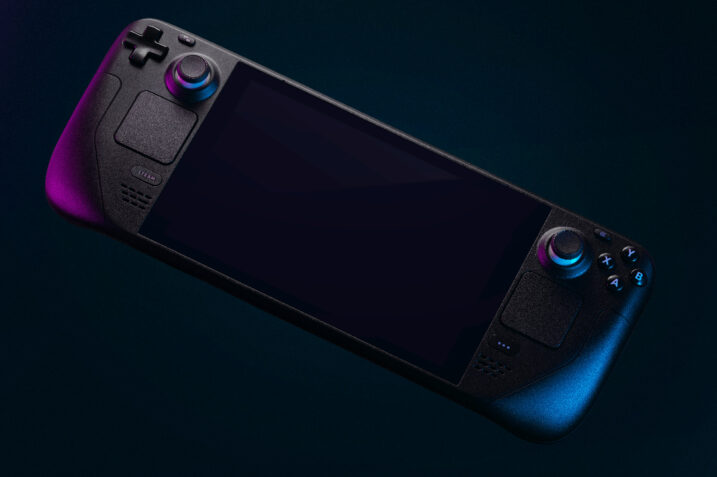
Learn how to install and optimize Windows XP on your Steam Deck for a perfect retro gaming experience. This guide covers emulation vs native boot, driver workarounds, and audio fixes for 2026 hardware.
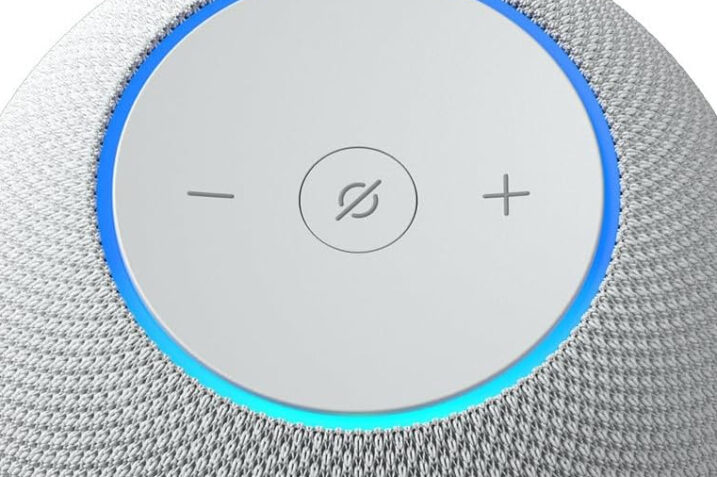
his article provides a comprehensive analysis of the data collection practices of the 2026 Amazon Echo Dot Max. It categorizes the information into mandatory technical data, optional user features, and the specifics of how information is shared with third party partners.
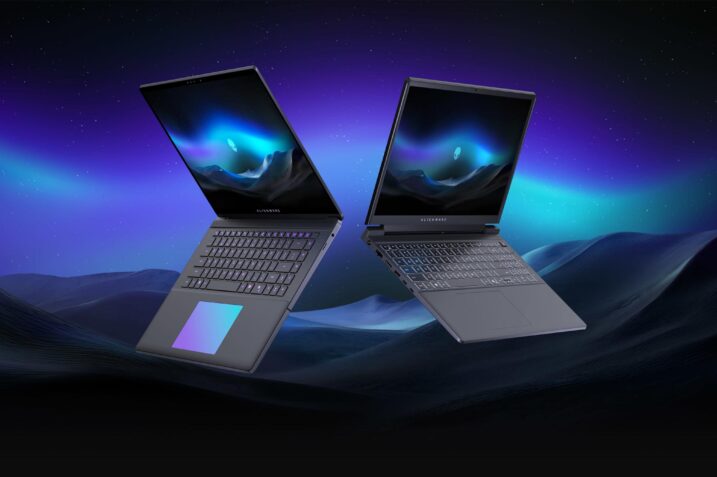
Alienware is breaking its tradition of bulky, expensive hardware by teasing two new laptop categories at CES 2026. A 17mm ultra-slim model and a new budget-friendly entry-level line show that the brand is finally moving beyond its "flagship-only" mindset to compete with thinner, more affordable rivals.
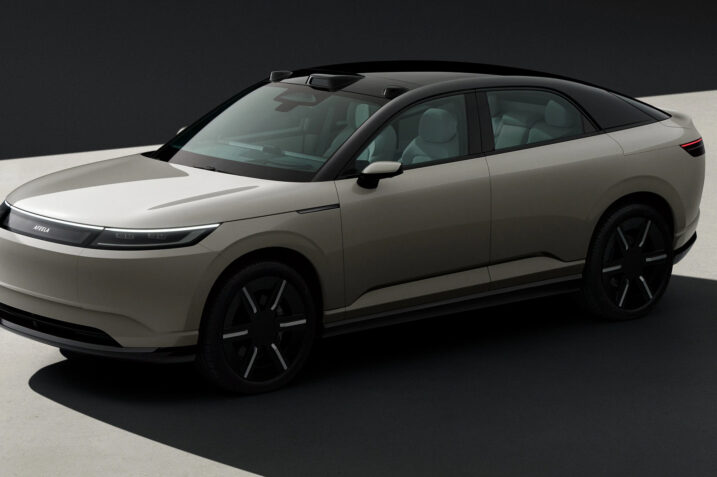
At CES 2026, Sony Honda Mobility debuted a new SUV prototype under its Afeela brand. This move shifts the focus away from their original sedan as the companies realize that entering the electric vehicle market requires a car that matches current buyer habits.
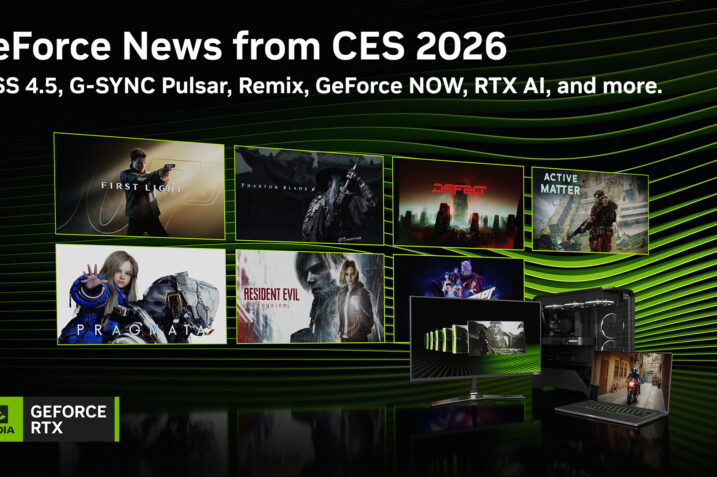
NVIDIA has unveiled DLSS 4.5 at CES 2026, introducing a 2nd Generation Super Resolution Transformer and Dynamic Multi Frame Generation. This update aims to provide 4K 240Hz performance on path traced games while cleaning up visual glitches like ghosting and blur.
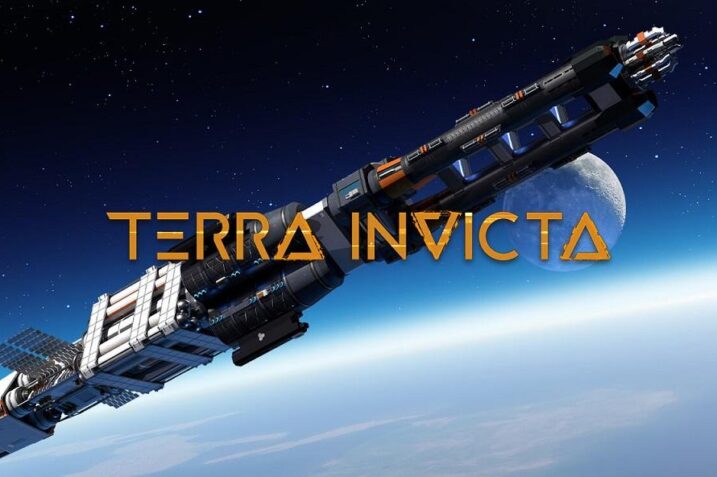
Pavonis Interactive has officially released version 1.0 of Terra Invicta, ending over three years of Early Access development. The full release introduces a new 2026 starting scenario, major AI improvements, and official support for five new languages.
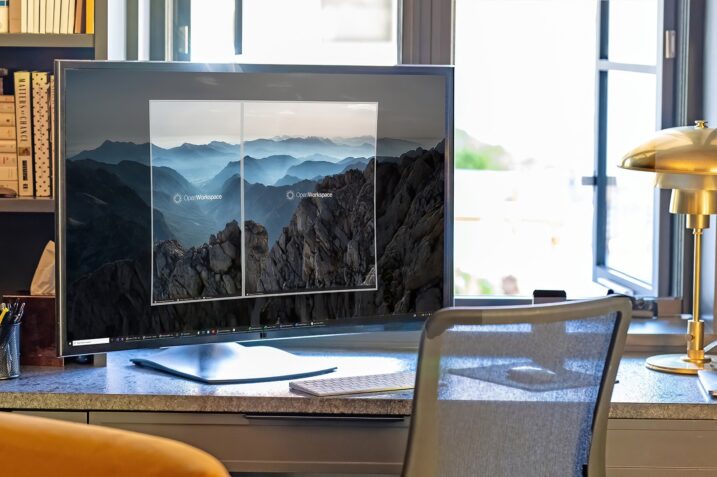
Debuting at CES 2026, OpenWorkspace has introduced a new desktop automation platform that eliminates digital clutter. The system uses a unique "dual region" layout to help users manage multiple monitors and hundreds of open tabs without losing focus.
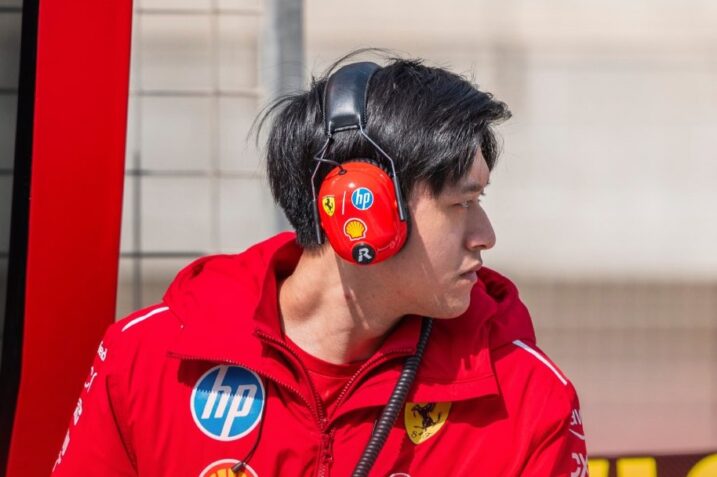
Cadillac has officially confirmed that Zhou Guanyu will be the team's reserve driver for their 2026 debut. After a year with Ferrari, the Chinese driver reunites with his former teammate Valtteri Bottas to help guide the American team through its first season.
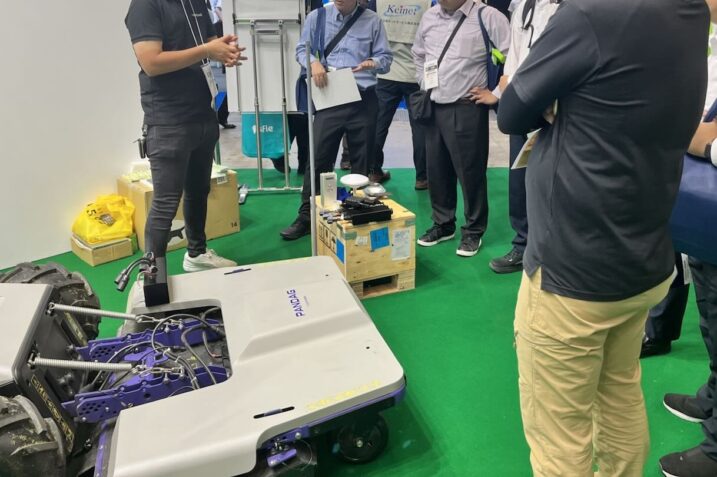
Pandag is launching the G1 commercial autonomous mower at CES 2026. This machine uses a combination of LiDAR and AI vision to manage up to 12 acres of grass per day without the need for traditional boundary wires or manual operation.
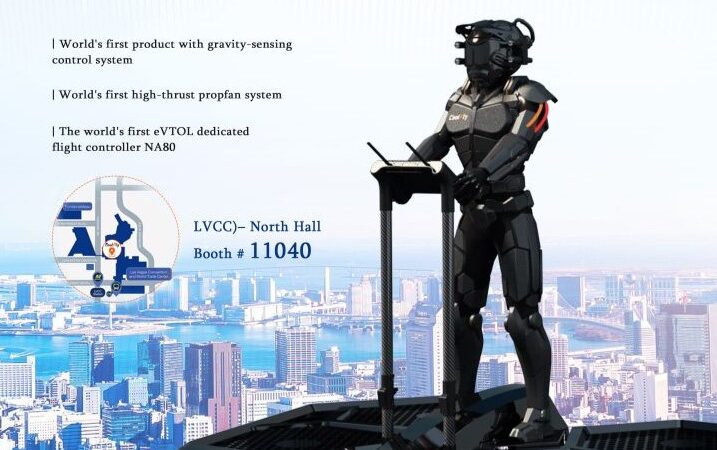
Coolfly Aircraft is introducing a new category of ultralight electric flying vehicles at CES 2026. These aircraft are designed to operate without a pilot's license, focusing on a new 30 meter flight corridor for personal commuting and tourism.
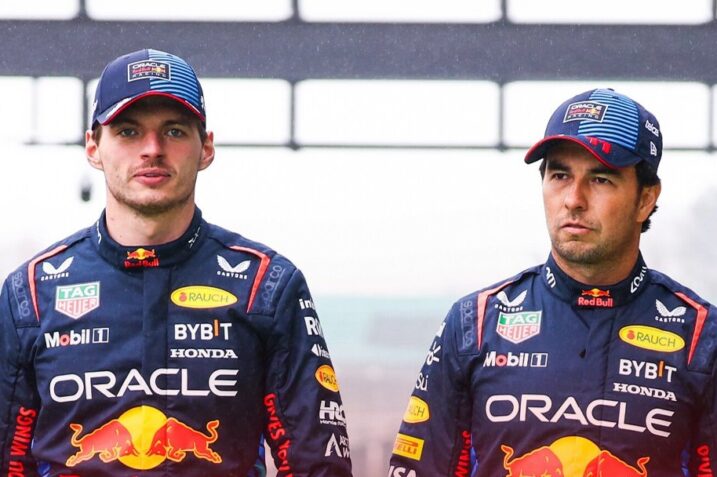
In a candid new interview, Sergio Pérez has pulled back the curtain on the "toxic" environment at Red Bull Racing. The Mexican driver claims that from day one, he was told the team existed solely to support Max Verstappen, making any attempt to compete almost impossible.
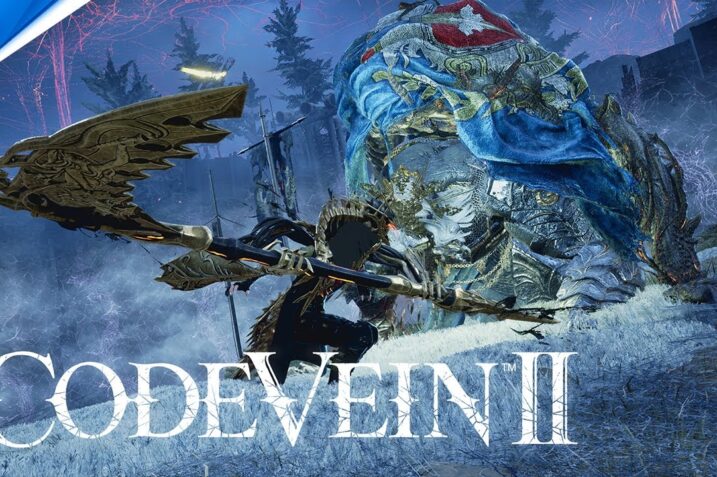
Bandai Namco just showed off a new look at Code Vein 2, and it is clear they are leaning into what fans loved most: making the character your own. Between a deep new character creator and a story that lets you change the past, the game is shifting focus toward player freedom.