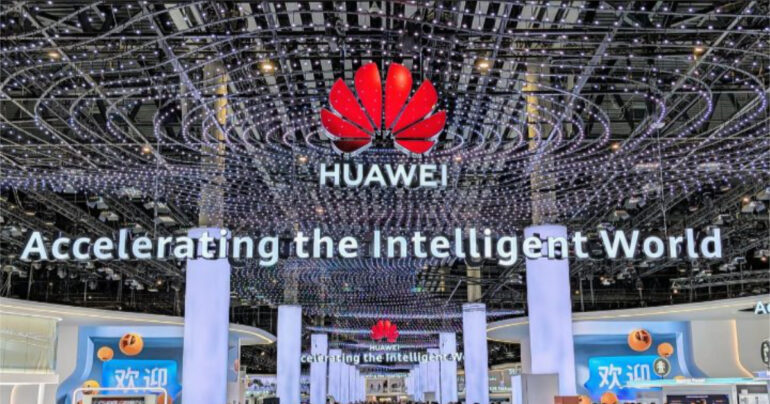

The halls of MWC Barcelona 2026 are buzzing with a very specific kind of energy this year, and it isn’t just about the latest smartphones. The real story is happening in the backend, where the infrastructure for the next decade of artificial intelligence is being laid out. Huawei debuts Atlas 950 SuperPoD alongside the TaiShan 950 SuperPoD to address a problem that has been quietly stifling the industry: the sheer inability of standard hardware to keep up with the explosive growth of agentic AI.
As we move into an era where models are utilizing trillions of parameters, the old way of just adding more servers in a row is hitting a wall. Horizontal scaling often leads to massive inefficiencies, where the more chips you add, the less work they actually get done because they spend all their time talking to each other. By launching these new systems, Huawei is attempting to offer a global alternative that focuses on raw scale and significantly lower latency.
Solving the trillion parameter bottleneck
The shift toward agentic AI means that these systems are no longer just chatbots; they are becoming deeply embedded in core production processes across various industries. This requires a level of reliability that conventional clusters simply cannot provide. We have seen far too many instances where training is interrupted because of hardware synchronization issues.
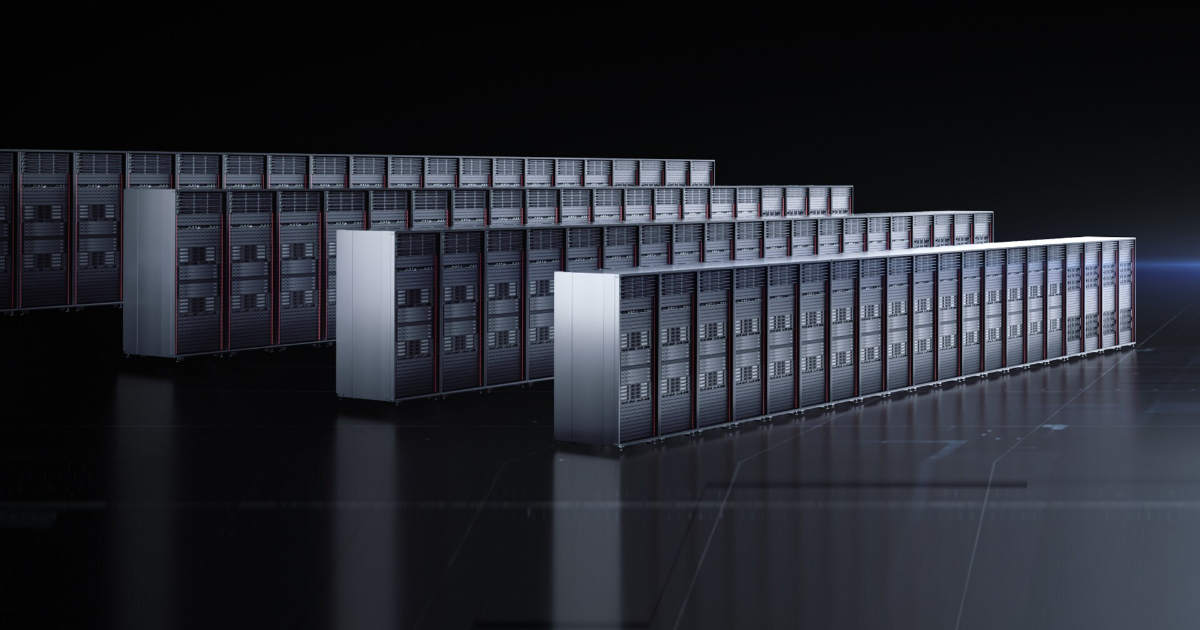
To fix this, the new cluster plus SuperPoD architecture relies on something called UnifiedBus. This is a groundbreaking interconnect technology that fundamentally changes how individual processors communicate. When Huawei debuts Atlas 950 SuperPoD on the global stage, the highlight is its ability to link up to 8,192 NPUs via this UnifiedBus. This doesn’t just make things faster; it allows the entire massive cluster to operate as a single, logical computer. It treats memory as a unified pool, which is essential when you are trying to cram a trillion parameter model into a learning cycle.
Diversifying the computing lineup
While the Atlas series is clearly the heavy hitter for AI training and inference, the company isn’t ignoring general purpose needs. The TaiShan 950 SuperPoD is being billed as the industry’s very first general purpose computing SuperPoD. It is a flexible option for those who need high intensity processing without necessarily needing the specific neural processing architecture of the Atlas line.
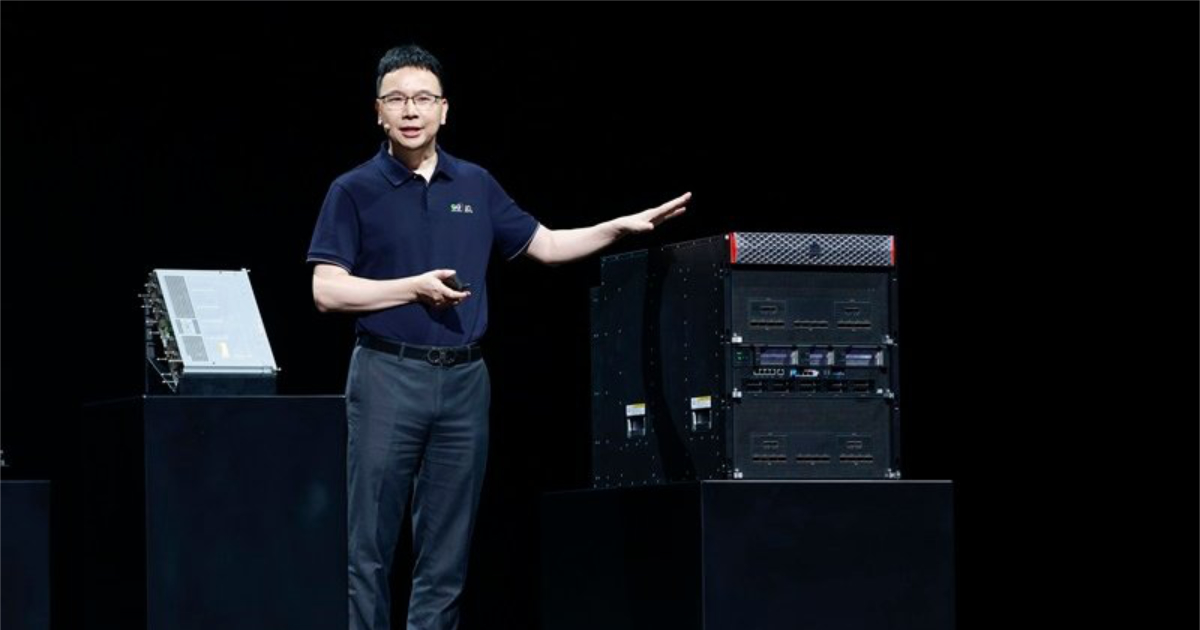
Alongside these giants, we saw the next generation of individual servers like the TaiShan 500 and TaiShan 200. These are designed to handle the day to day workloads that keep modern enterprises running. Having a range that goes from low intensity servers to the massive Atlas 950 SuperPoD gives developers and IT architects a lot of room to breathe. It acknowledges that not every problem requires an 8,000 chip cluster, but when you do need that power, it should be integrated rather than piecemeal.
The push for an open ecosystem
One of the most interesting aspects of this launch is the heavy emphasis on open source and open collaboration. In the tech world, “open” is a word that gets thrown around a lot, but the details here are worth noting. Huawei has fully open sourced its CANN heterogeneous compute architecture. This isn’t just a surface level gesture; they have made everything from operator libraries and acceleration libraries to programming languages available to developers.
This move toward layered decoupling is clearly a strategy to build a more resilient computing foundation that isn’t locked behind a single vendor’s gate. By supporting open source communities like Triton, PyTorch, vLLM, and verl, the goal is to make these massive hardware blocks actually accessible to the people writing the code. If developers can’t easily port their models to the hardware, the hardware is just an expensive paperweight. The rapid rise of openEuler as a leading operating system community suggests that this “open” strategy is starting to gain real traction globally.
The overarching theme at MWC 2026 is the creation of a new, resilient option for the global market. The tech industry has been looking for ways to diversify its supply chains and its computing foundations for years. By offering a system as powerful as the Atlas 950 SuperPoD and backing it with an open source software stack, Huawei is positioning itself as a cornerstone for those who want high performance without being tied to the traditional hardware monopolies.