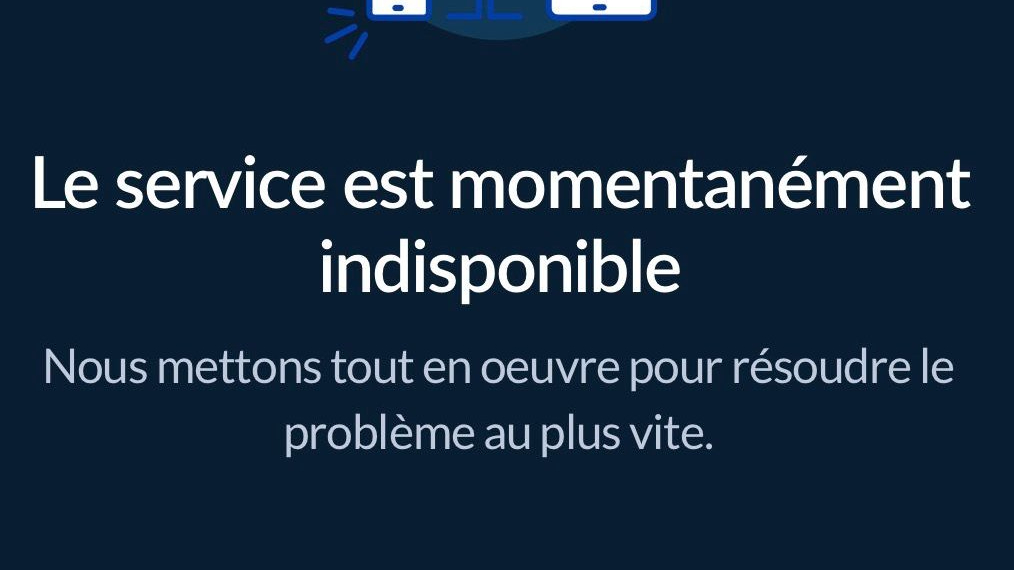
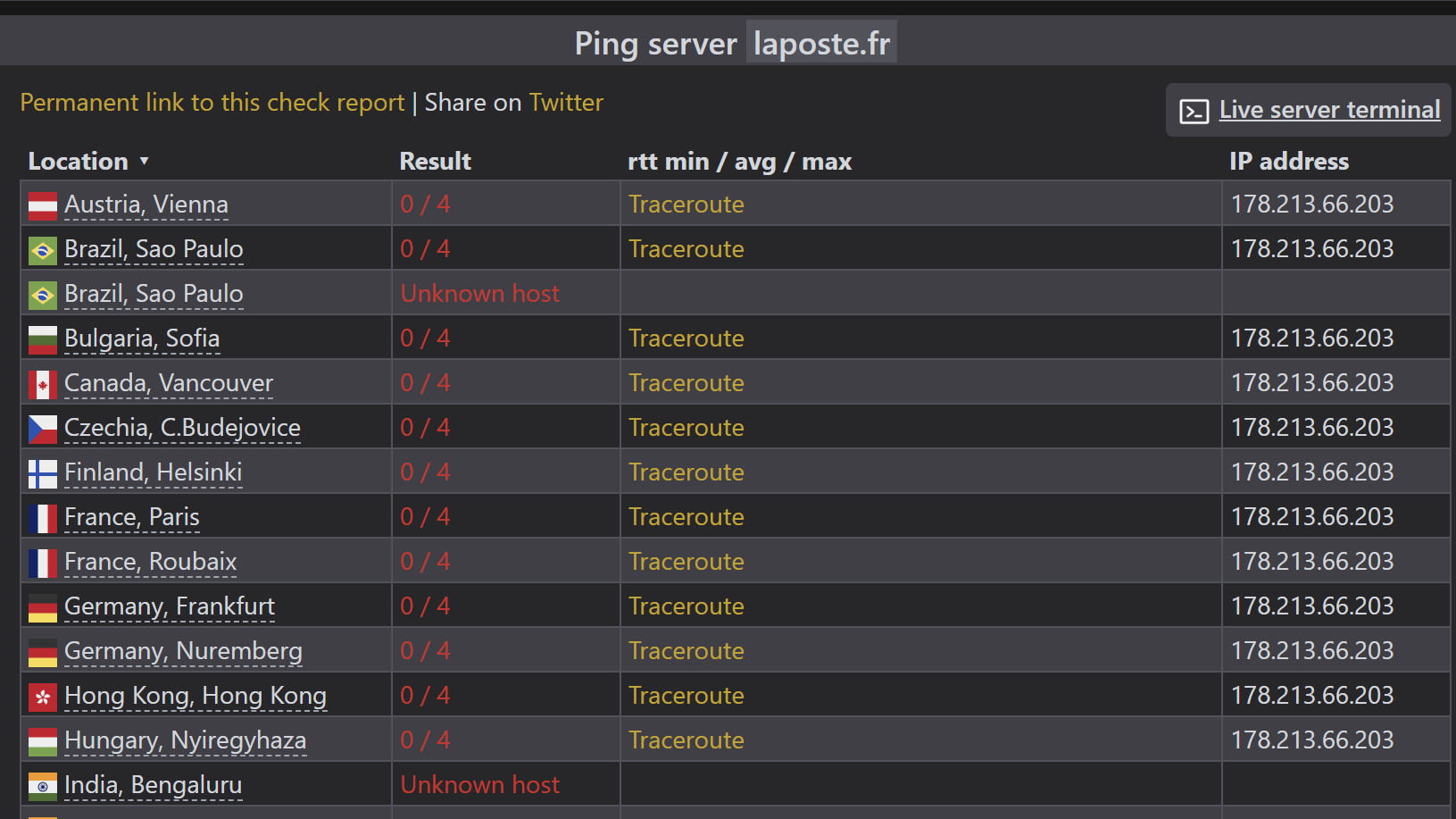
French national postal service, known as La Poste, experienced a significant digital problem. The company’s website and mobile app stopped working for several days, leaving millions of people unable to use their services. This happened during the final week of the year, which is one of the busiest times for shipping and receiving holiday gifts. Because the website was down, people could not print shipping labels or check the location of their packages. The incident was a major disruption for both families and businesses across France.
The cause of this shutdown was a type of cyberattack called a Distributed Denial of Service, or DDoS. You can think of a DDoS attack like a giant group of people all trying to walk through one small door at the same time. Because there are too many people, nobody can get through and the door becomes blocked. In the digital world, hackers use thousands of computers to send fake requests to a website all at once. The website’s servers cannot handle so much information and eventually crash. This is what happened to La Poste, making its digital services go dark for everyone.
Why was a post office targeted?
The timing of the attack was likely chosen to cause as much trouble as possible. By targeting the post office right after Christmas, the attackers hit the system when it was already under a lot of pressure from high holiday volume. Postal services are considered “critical infrastructure,” which means they are essential for a country to function properly. When these services stop working, it causes a ripple effect that slows down the economy and frustrates the public. This makes the post office a popular target for hackers who want to get attention or cause chaos.
While many cyberattacks are done to steal money, a DDoS attack is usually done just to cause a blockage. It does not necessarily mean that the hackers broke into the private files of the customers. La Poste told the public that their personal data, like names and addresses, appeared to be safe. The hackers did not steal information; they simply broke the connection between the customers and the website. This type of attack is often used by groups who want to send a political message or show that a large organization has weak digital defenses.
How was the problem resolved?
To get the website back online, the technical team at La Poste had to use special filters to block the fake traffic. This is a difficult task because the hackers try to make their fake requests look like real customers. The team had to carefully identify the bad traffic and toss it out while letting the real customers back into the site. This process took a few days to complete because the attackers kept changing their tactics. Once the filters were in place, the website slowly started working again for people in different parts of the country.
The post office also worked with the French government’s cybersecurity agency to investigate who was behind the attack. They looked at the digital fingerprints left by the hackers to see where the fake traffic was coming from. While it is often hard to find the exact person responsible, these investigations help the post office build better defenses for the future. By learning how the hackers got past their initial security, La Poste can make its website stronger so that the next time someone tries to block the “digital door,” the system will be ready to stop them.
If you have been affected? What are the next steps?
Now that the website is back up, customers can use the tracking tools again. However, because the system was offline for so long, some of the tracking information might be a little bit behind. If you were expecting a package during the final week of December, it may have been delayed by a few days while the workers waited for the digital systems to return. La Poste has asked for patience as they work through the backlog of packages that were held up during the outage.
It is also a good idea to be careful of fake emails. Sometimes, after a big cyberattack, scammers will send emails that look like they are from the post office. They might say there is a problem with your package and ask you to click a link. Because the real post office was just attacked, these fake emails can look very convincing. Always check the sender’s address and never give out your password or bank details through a link in an email. The safest way to check on your mail is to go directly to the official La Poste website yourself.