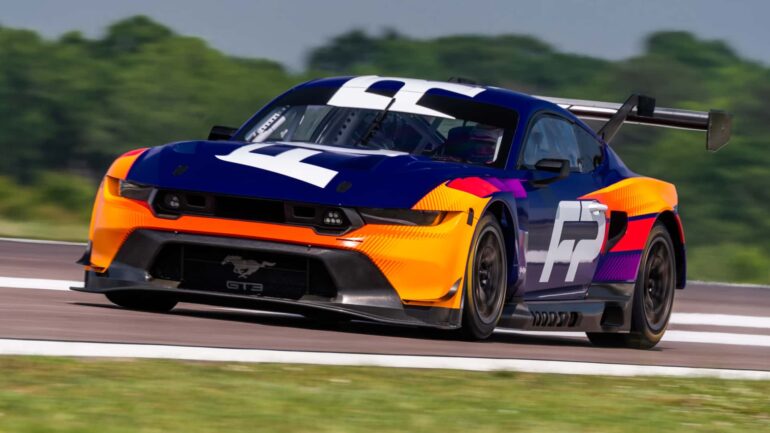

If you are a fan of that classic American rumble, you can finally breathe a sigh of relief. During a massive season launch event in Detroit, the mystery surrounding the Ford WEC Hypercar engine revealed exactly what many of us had been hoping for. Ford is ditching the twin-turbo V6 philosophy that defined the last Ford GT and is going back to its roots with a massive, naturally aspirated 5.4 liter V8.
It is a bold move in an era where everyone seems obsessed with forced induction and downsizing. But Ford is leaning hard into its heritage. The engineers in Dearborn have basically said that if you are going to fly down the Mulsanne Straight at three in the morning, people should know it is a Ford just by the sound. This engine isn’t just a component; it is a statement of intent for their 2027 return to the top flight of endurance racing.
The beauty of mechanical simplicity
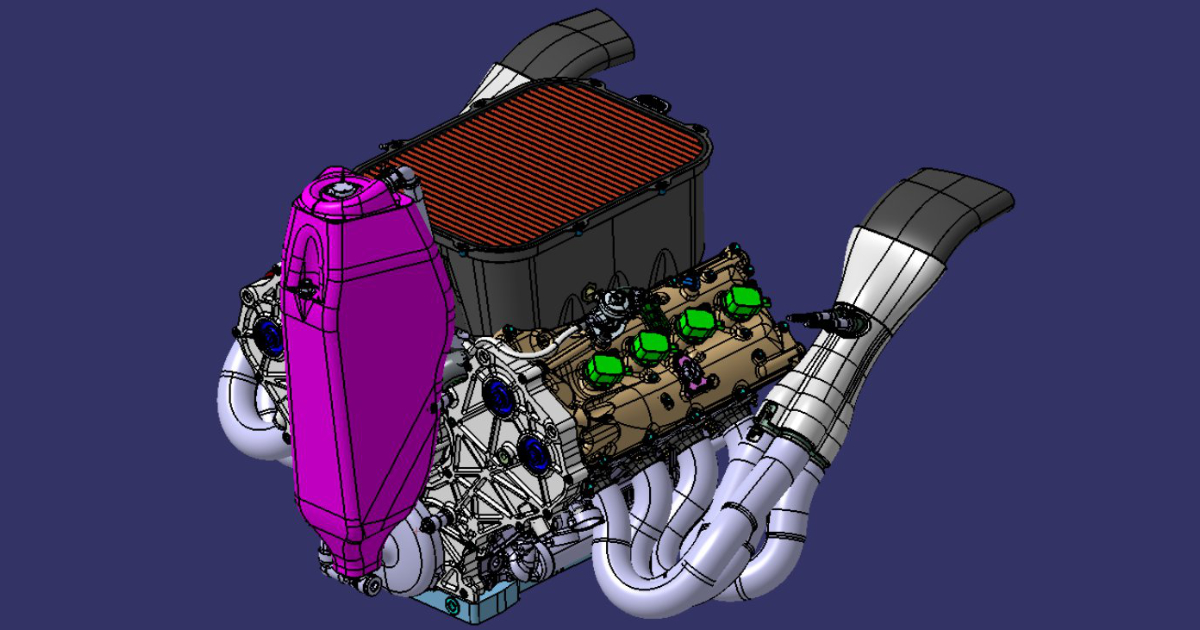
The decision to go with a naturally aspirated 5.4 liter Coyote V8 instead of a turbocharged unit comes down to a few key factors, but the biggest one is reliability. In a 24-hour race, things go wrong. Turbos get hot, intercoolers get punctured, and complex plumbing creates more points of failure. By choosing a high-displacement atmospheric engine, Ford is opting for a simpler installation that is easier to cool and manage over thousands of miles.
This engine is a direct relative of the powerplants found in the Mustang GT3 and GT4, which means it already has a proven track record in shorter endurance formats. While the competition from Ferrari and Toyota relies on smaller turbocharged setups, Ford is joining the likes of Cadillac in proving that there is still a massive place for “no replacement for displacement” at Le Mans. The 5.4 liter unit provides the torque and power control needed to meet the strict Balance of Performance (BoP) rules without the headache of managing turbo lag.
A collaboration with Red Bull Ford Powertrains
Even though the engine is “Detroit-born,” it is being polished with some very high-tech help. For the first time in the company’s history, Ford is developing this competition engine entirely in-house, but they are doing so hand-in-glove with Red Bull Ford Powertrains. This is the same group working on the 2026 Formula 1 regulations, so the level of technical sophistication here is off the charts.
The primary goal of this partnership is the integration of the spec LMDh hybrid system. The rules require a 50kW Bosch motor-generator unit, and marrying that electric surge to a big, rumbly V8 requires some serious software wizardry. The team is currently working on the “marriage” of the combustion and electric components, with dyno testing scheduled to run through the rest of 2026. This isn’t just a Mustang engine dropped into a prototype; it is a precision-engineered hybrid system designed to win overall at the Circuit de la Sarthe.
The drivers tasked with the mission
A world-class engine needs a world-class crew to pilot it. Along with the Ford WEC Hypercar engine revealed, we also got our first look at the driver lineup. It is a mix of young talent and veteran stability that makes a lot of sense for a brand-new program.
Sebastian Priaulx and Mike “Rocky” Rockenfeller are the anchors, both of whom have deep ties to the Ford family and have already proven the Mustang GT3’s potential. They are joined by Logan Sargeant, who is making a high-profile jump from the Formula 1 grid. Sargeant brings a level of high-downforce experience that is vital for a prototype program. This trio is currently being described by the team as “scientists as much as racers,” because they will spend the next year as the primary test pilots, shaking down the Oreca-based chassis and the new V8 powertrain.
Earning stripes in the real world
Ford isn’t just going to wait around for 2027 to start racing. To prepare the crew and the engineers for the pressure of the WEC, they are launching a preparatory LMP2 program in the European Le Mans Series for 2026. This is a smart play. It allows the mechanics to practice pit stops, the engineers to refine their data collection, and the drivers to get comfortable in a high-downforce prototype environment.
By the time the actual Hypercar hits the grid in 2027, the team will already have a year of operational experience under their belts. They are building a methodology from the ground up, ensuring that when they finally face off against the likes of Porsche and Toyota, they aren’t just there to participate. They are there to reclaim the legacy that started back in 1966.

The Ford Hypercar is scheduled to make its competitive debut at the 2027 WEC season opener. Before that, the team will compete in the 2026 European Le Mans Series in the LMP2 class to build operational experience. While you cannot buy the race car, the Coyote engine technology it uses is currently available in the Mustang Dark Horse and the track-only Dark Horse R, which starts at approximately $145,000. Full technical specs and the final livery of the 2027 prototype are expected to be unveiled during the summer of 2026 following initial track testing.