

The development of foldable smartphones has transitioned from a period of experimental fragility to a stage of refined engineering. In 2025, manufacturers have successfully addressed the structural and functional criticisms that previously limited the appeal of these devices. Through advancements in material science and hinge design, the “book-style” foldable now offers a user experience that closely mimics that of a standard smartphone in its closed state, while providing a tablet-sized interface when opened. However, despite these technical successes, the industry faces a persistent challenge in making these devices affordable for the general consumer. Basically, the smartphone makers have finally got the idea and concept down to the last detail, but what they still are not able to figure out is how they can now take this technology and know-how and package it at a price that does not make prospective buyers look away.
But first, let’s take stock of how this progression has happened.
For several years, the primary deterrents for potential foldable buyers were the lack of dust resistance and the inherent fragility of the internal screen. The 2025 product cycle has significantly reduced these risks. The Google Pixel 10 Pro Fold has achieved an IP68 rating, signifying full protection against dust ingress and high-pressure water submersion. This is a critical development for devices with complex moving parts, as it prevents microscopic debris from entering the hinge mechanism and causing internal damage to the flexible OLED panel.
Samsung on the other hand has also figured out a way to improve the longevity of its displays, with the Galaxy Z Fold 7 now rated for 500,000 folds. This endurance rating ensures that the device can be opened and closed approximately 130 times per day for over ten years before reaching its mechanical limit. The introduction of ultra-thin glass (UTG) and reinforced polymer layers has also made the screens more resistant to punctures and scratches from fingernails, which was a frequent point of failure in earlier generations.
A secondary issue that previously plagued foldables was their excessive bulk. Early models were often described as two smartphones stacked together, making them uncomfortable to carry in a pocket. Current flagship foldables have virtually eliminated this discrepancy. The Galaxy Z Fold 7 measures approximately 8.9mm when folded, which is only 0.7mm thicker than the standard Galaxy S25 Ultra.
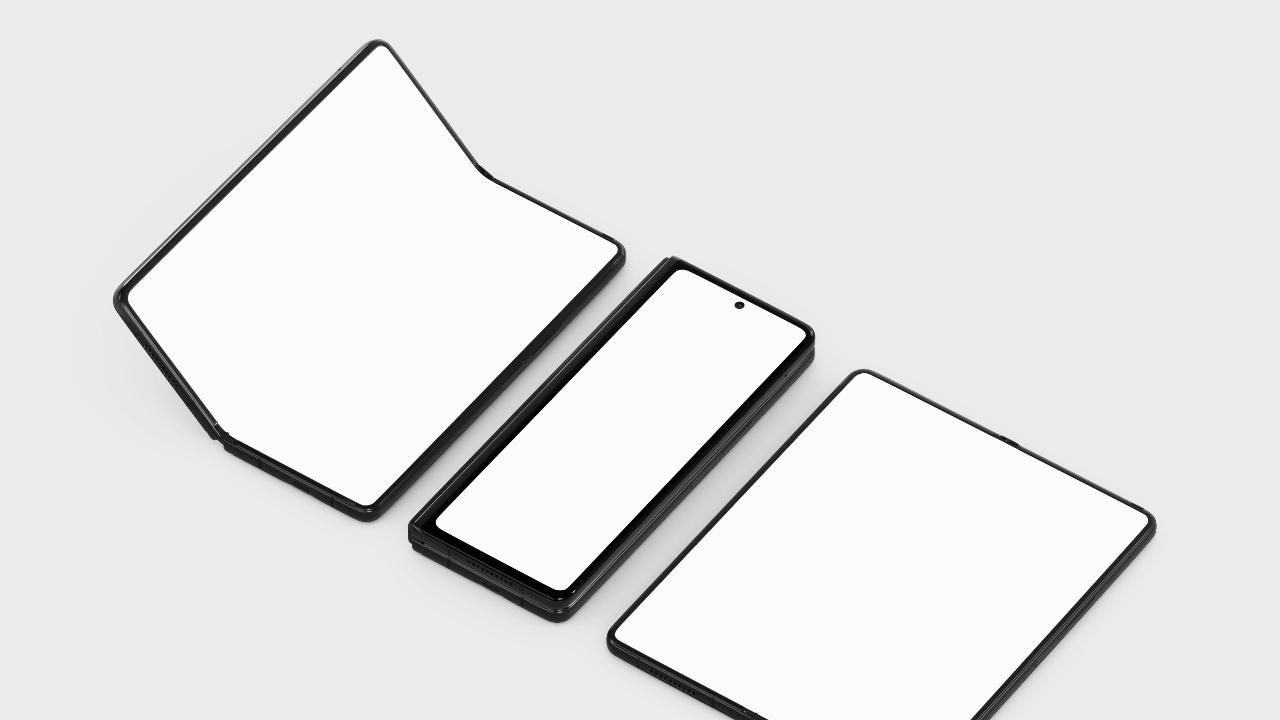
Weight has also been optimized through the use of high-strength, lightweight materials such as titanium and carbon fiber reinforced plastics. In some instances, the foldable flagship is now lighter than its traditional “glass brick” counterpart. This ergonomic parity means that the primary physical trade-off of owning a foldable, which was the the extra weight and thickness, is no longer a significant factor in the purchasing decision.
Critics often point to the visible crease where the screen bends as a major flaw. However, in modern use cases, the crease has become a secondary concern rather than a functional failure. When viewed head-on, the crease is largely invisible due to the brightness and high contrast of the OLED panels. Furthermore, user interface improvements have moved primary touch interactions away from the center of the screen, meaning users rarely feel the depression during standard navigation. While manufacturers continue to work on “crease-free” hinges, this issue is no longer considered a “dealbreaker” for those who prioritize the utility of a larger display.
We can see from the above, that the factors which were the main deterrents have now been largely addressed and as we progress, we will definitely see brands making more in-roads as far as upgrades or innovations are concerned. Now, let’s talk about the elephant in the room – the pricing.
While every major technical issue from battery life to hinge reliability has been resolved, the retail price of foldable phones has not followed the typical downward trajectory seen in other consumer electronics. In fact, pricing has recently increased in some markets. The Galaxy Z Fold 7 launched at a base price of $2,000, which is a $200 increase over the launch price of the Z Fold 5.
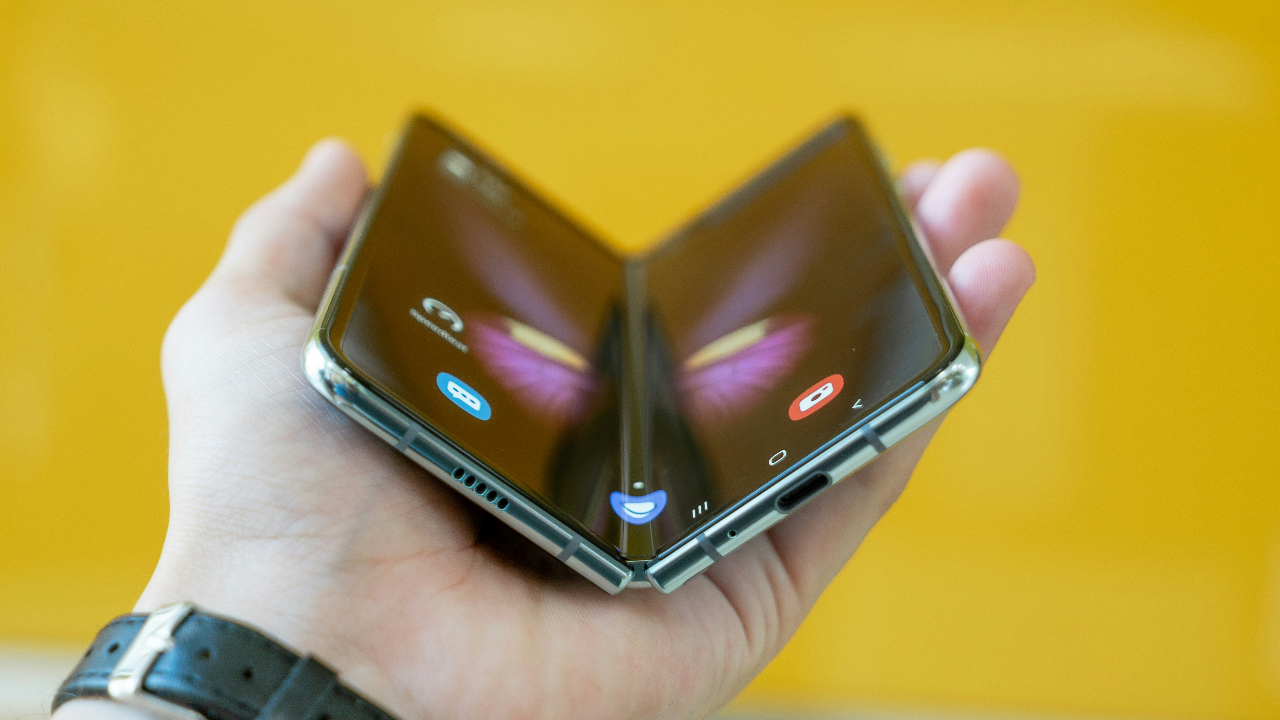
This high cost is attributed to the complex manufacturing process of flexible displays and the high cost of the precision hinges required to keep the device thin and durable. Unlike standard smartphones, which benefit from massive economies of scale and simplified assembly, foldables remain labor-intensive and expensive to produce. As long as these devices command a $1,000 premium over traditional flagship phones, they are likely to remain a niche luxury category rather than a replacement for the standard smartphone.
The industry is currently in a “wait and see” period regarding more affordable versions of this technology. While some companies have introduced “Lite” or “FE” versions of clamshell flip phones, the larger book-style foldables remain firmly in the ultra-premium price bracket. Competitive pressure from emerging tri-fold designs, such as the Samsung Galaxy Z TriFold, may eventually push the prices of standard bi-fold models down, but as of late 2025, the cost of entry remains the only significant barrier to mainstream success.