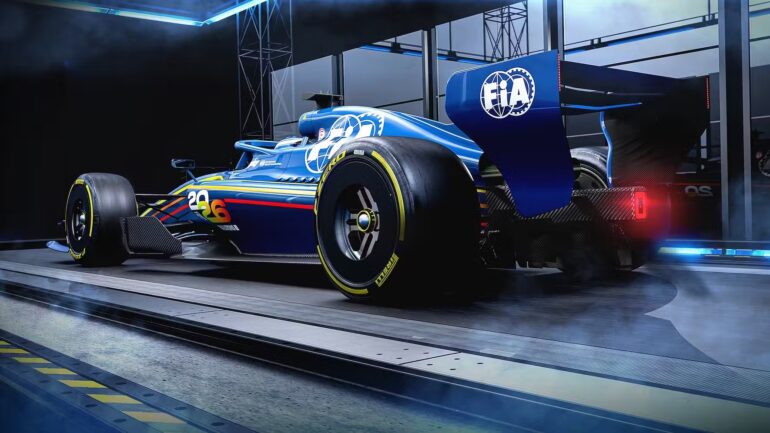

Formula 1 is about to make one of the biggest changes in its history. The sport has used DRS since 2011 to help drivers overtake, but that system is going away for the 2026 season. In its place comes something completely different called overtake mode, and it works in a way that might surprise you. Instead of opening a flap on the rear wing to reduce drag, the new system gives chasing drivers extra electrical power from their batteries. It is a fundamental shift in how racing will work, and teams are still figuring out exactly how it will play out on track.
Why did F1 end the DRS tech?
DRS was pretty straightforward. When you got within one second of the car in front at a detection point, you could open a flap on your rear wing in certain zones around the track. This reduced drag and gave you more straight line speed, making it easier to pull alongside and complete a pass. It worked well enough for 14 years, but the 2026 regulations are introducing active aerodynamics across the board. Every driver will be able to adjust their front and rear wings on every lap, switching between high downforce mode for corners and low drag mode for straights. Since everyone has that ability now, DRS in its old form does not make sense anymore.
How does the new Overtake Mode actually work?
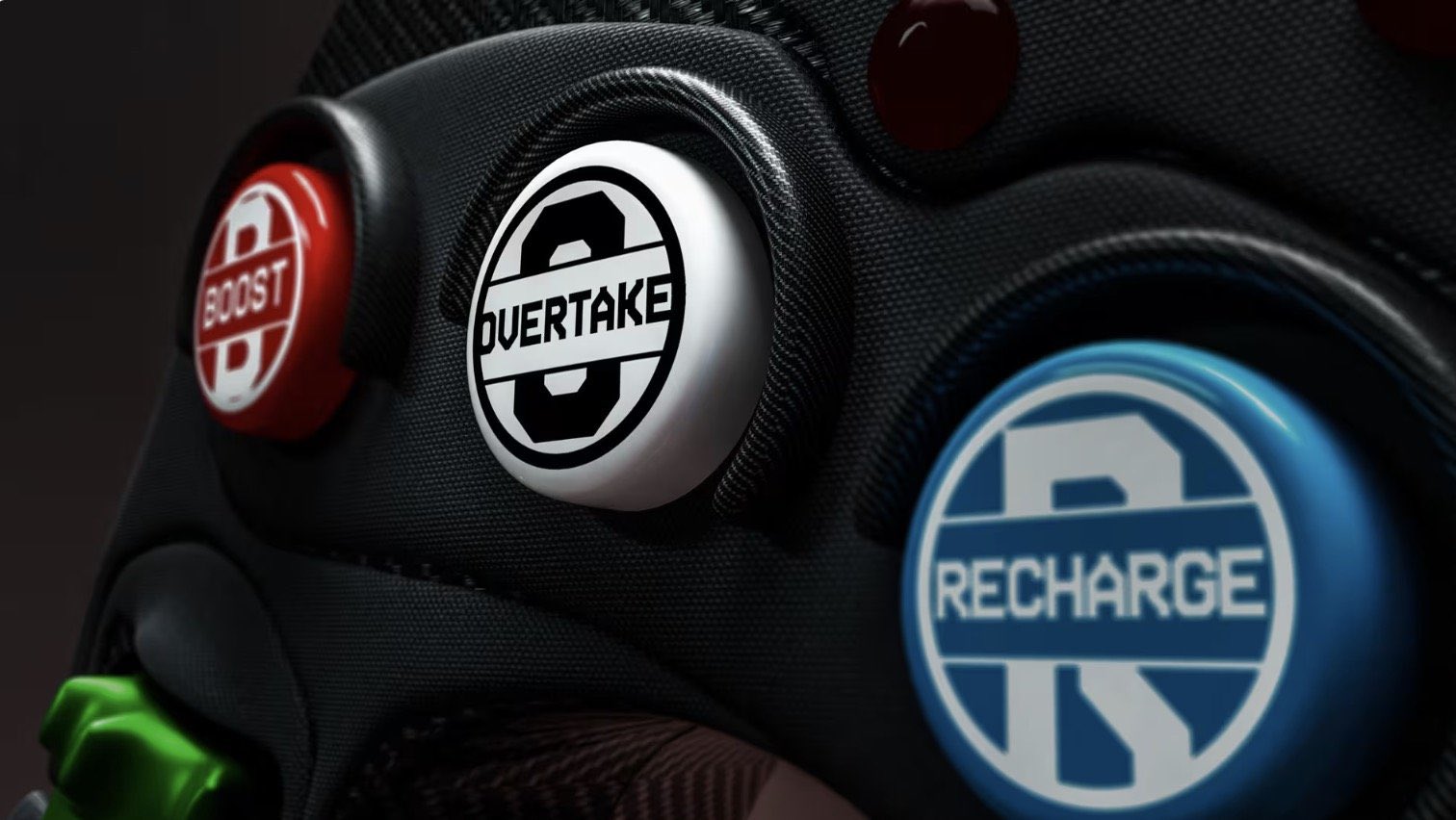
The new system still requires you to be within one second of the car ahead at the detection point, just like DRS did. But instead of getting an aerodynamic advantage, you get extra electrical energy to deploy. Specifically, you can harvest an additional half a megajoule of energy per lap and use that power to help make a pass. The way the energy deployment works is interesting. Normally, the electrical boost from the battery starts to taper off around 290 kilometers per hour and drops to zero at 345 kilometers per hour. But when you activate overtake mode, you can keep deploying full power up to 337 kilometers per hour before it cuts off at 355 kilometers per hour. That gives the chasing car more power at higher speeds than the car in front.
Drivers will have complete control over how they use this extra energy. They can dump it all in one burst on a long straight, or they can spread it out across different parts of the lap where they think it will be most useful. This creates a lot more strategy compared to DRS, which you could only use in specific zones and had to activate immediately when available.
What about the Active Aerodynamics?
While overtake mode is the new weapon for attacking, every driver will have active aerodynamics working throughout the race. The front and rear wings can now switch between two configurations. In straight mode, both wings flatten out to reduce drag and help the car go faster down the straights. In corner mode, they return to their normal high downforce position to give you grip through the turns. This happens automatically based on where you are on the track, and everyone can use it regardless of their position.
The difference between this and DRS is massive. With DRS, only the chasing driver got the advantage. Now everyone can reduce their drag on the straights, which means the baseline has changed. The overtaking advantage has to come from somewhere else, which is why the electrical power boost becomes so important.
Let’s talk about Boost mode as well
On top of overtake mode and active aero, drivers will also have boost mode available. This is basically the ability to deploy maximum combined power from both the engine and the battery whenever they want by pushing a button on the steering wheel. You can use it to attack, you can use it to defend, or you can save it for when you really need it. The catch is that you need to have enough charge in your battery to make it work. If you have been deploying energy aggressively for the past few corners, you might not have anything left when you need it most.
This is where things get tactical. Drivers will need to work closely with their race engineers to manage battery charging modes throughout the lap. You can recharge through braking, through engine recovery, or by lifting off the throttle early in braking zones. The 2026 power units are designed so you can almost fill the entire battery in one heavy braking zone, but you can also drain it completely on one long straight. That creates a very different dynamic compared to what we have seen in recent years.
Things that are still in the pipeline
The FIA has been open about the fact that they are still fine tuning how overtake mode will work. They want to find the right balance where passing is possible but not too easy. Nobody wants to see drivers just sailing past each other with no fight, but they also do not want races where the running order gets decided on lap one and never changes. The governing body has left themselves some room to adjust things like the length of activation zones and exactly how much extra energy drivers can use. They will gather data from the Barcelona shakedown at the end of January and the official pre-season testing in Bahrain before making any final tweaks.
One challenge is that there is no historical data to work with. DRS had years of information to help determine where detection points should be and how long the zones should run. Overtake mode is completely new, so the FIA is essentially starting from scratch. They need to see how the cars actually perform on track before they can nail down all the details.
Finally, what do the drivers have to say about all this?
Several drivers and team principals have already talked about how different racing will be in 2026. George Russell mentioned that overtakes might happen in unusual places where you would never normally see a pass. If one driver has a full battery and the one ahead is running low on charge, there could be opportunities at corners that have never been overtaking spots before. Williams team principal James Vowles thinks this will favor drivers who are really in tune with their cars and can think strategically about energy deployment rather than just relying on aids like DRS.
The cockpit is going to be busier too. Drivers will need to manage their battery charge, decide when to use boost mode, figure out the best places to deploy overtake mode energy, and still drive the car at the limit. It puts more emphasis on driver skill and decision making, which is something Formula 1 has been trying to bring back for years.