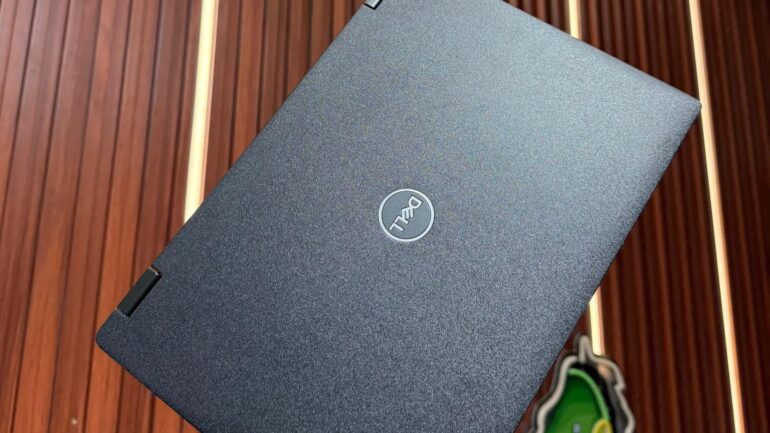

Dell is preparing its business and enterprise customers for a significant jump in the cost of its hardware products. The company has started communicating with commercial clients about upcoming price hikes that will affect a wide range of equipment, from office laptops to high end server configurations. This move comes as many technology manufacturers struggle with the increasing costs of raw materials and the specialized components required to build modern computing systems.
The main reason for this change is the rising price of essential parts like memory chips and processors. Because these components are becoming more expensive to source, Dell is passing those costs on to the businesses that buy its products. A notable detail in Dell’s communication is that even customers who place orders now for delivery later in the year may not be protected from these changes. The company has clarified that ordering today does not necessarily lock in current market rates, meaning the final price at the time of shipping could be higher than what was originally quoted. This policy reflects the volatility in the global electronics supply chain, where prices can shift rapidly between the time a product is designed and when it is finally assembled.
For businesses that rely on Dell for their IT infrastructure, this shift creates a challenge for budget planning. Organizations often plan their hardware refreshes months or years in advance, and sudden price increases can disrupt those financial goals. By warning clients early, Dell is attempting to give companies time to adjust their procurement strategies, though the lack of price protection on future deliveries adds a layer of uncertainty to long term contracts.
If your business is planning to purchase new Dell equipment, it is recommended to review your current quotes and speak with your account representative immediately. While current prices are not guaranteed for future delivery, completing transactions for available stock now may help avoid the higher costs expected in the coming months. You should also keep a close watch on your internal IT budgets as these industry wide pricing trends are likely to continue through the rest of the year.