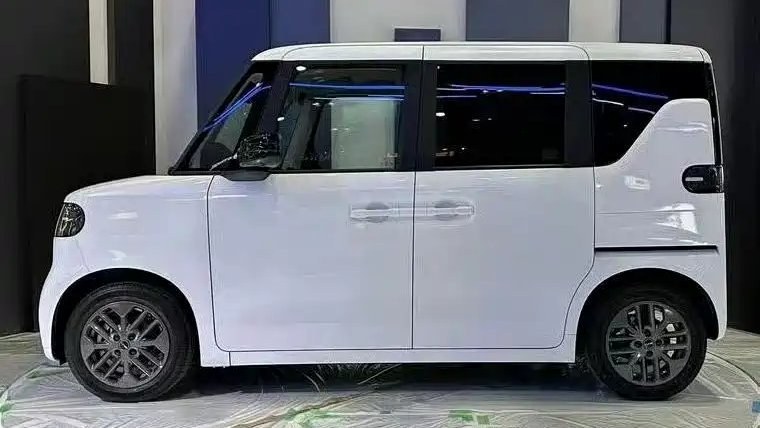

BYD is trying to make inroads into the bustling mini-vehicle market in Japan, with its own electric Kei car prototype. Now, Japan has been fiercely protective of the Kei car culture, and it will be interesting to see how the Chinese brand makes an impression with this latest offering. For those of you who are unaware, BYD currently sells two EV models in Japan, the Atto 3 SUV and Dolphin hatchback, with 2024 sales reaching 5,200 units. The kei car targets urban commuters, where mini-vehicles comprise 60 percent of new car registrations. BYD offers a 7-year/150,000 km warranty covering battery and motor, plus home charger installation subsidies up to 100,000 yen. The company has partnered with local fleet operators for pilot deployments in Osaka and Fukuoka.
The BYD kei car measures 3.395 meters long, 1.475 meters wide, and 1.63 meters tall, complying with Japan’s kei vehicle classification for lower taxes and parking privileges. It uses a single rear-mounted 40 kW electric motor driving the rear wheels, achieving 0-60 km/h acceleration in 8 seconds. The 15 kWh lithium-iron-phosphate battery supports DC fast charging to 80 percent in 20 minutes, with regenerative braking extending urban range to 180 km. Interior space accommodates four passengers with foldable rear seats for 200 liters cargo capacity.
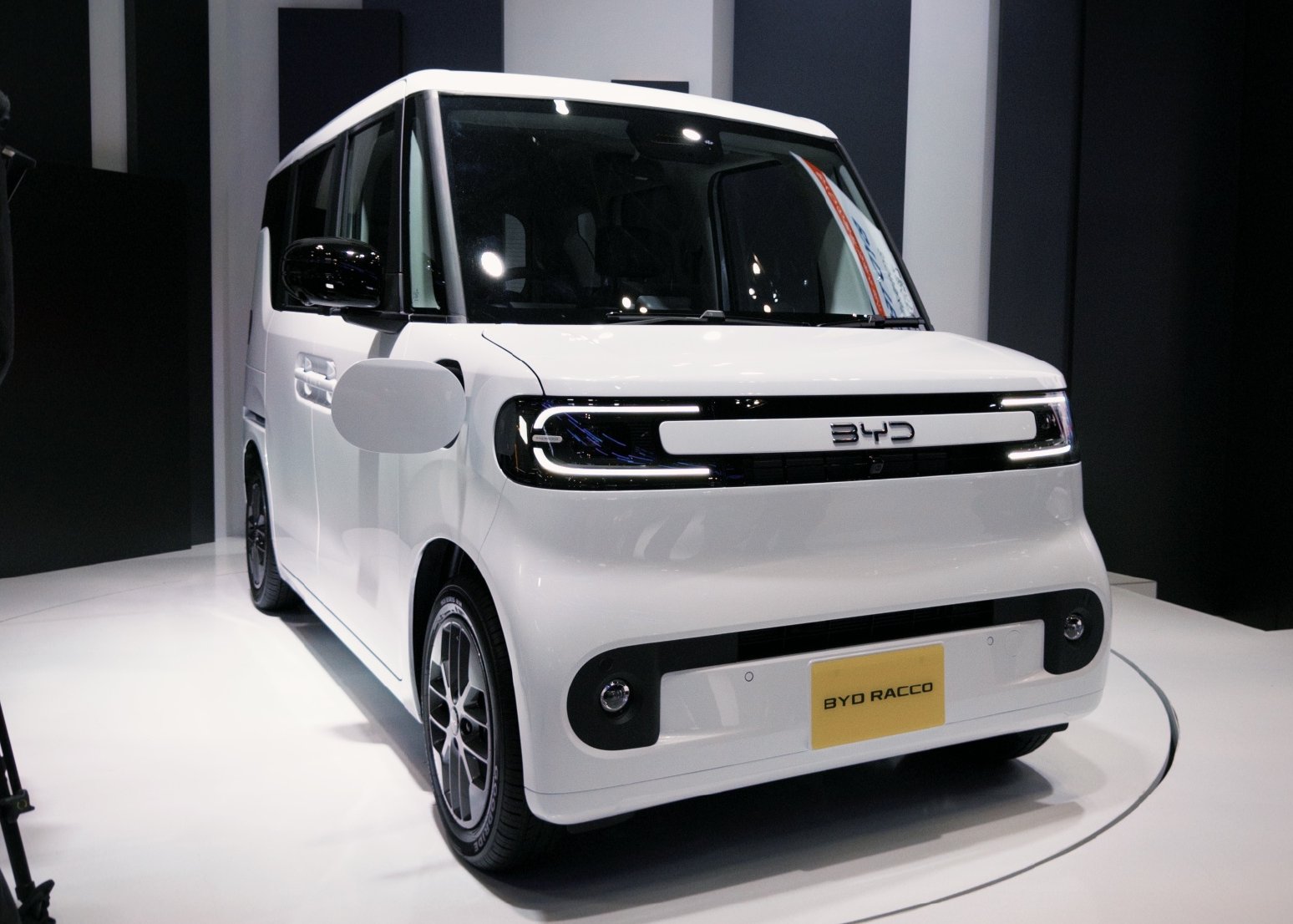
Table of Contents
What about the battery and powertrain?
BYD’s Blade Battery technology powers the vehicle, offering 2,000 charge cycles before 70 percent capacity retention, mounted under the floor for a low center of gravity. The powertrain integrates vehicle-to-load functionality, allowing 3.3 kW output to power external devices like camping equipment. Thermal management system maintains efficiency in Japan’s varied climate, from Tokyo summers to Hokkaido winters. The prototype weighs 900 kg, under the kei class limit of 1 metric ton.
When can we expect to see this car on the road?
Manufacturing will begin at BYD’s new Changsha plant in China, with first units shipping to Japan by December 2026 at a base price of 2 million yen, approximately $13,500. BYD plans to localize 60 percent of components through Japanese suppliers to meet import regulations. Initial production targets 50,000 units annually, with sales starting through BYD’s Tokyo dealership network established in 2024. Certification testing with Japan’s MLIT agency is underway, focusing on crash safety and electromagnetic compliance.
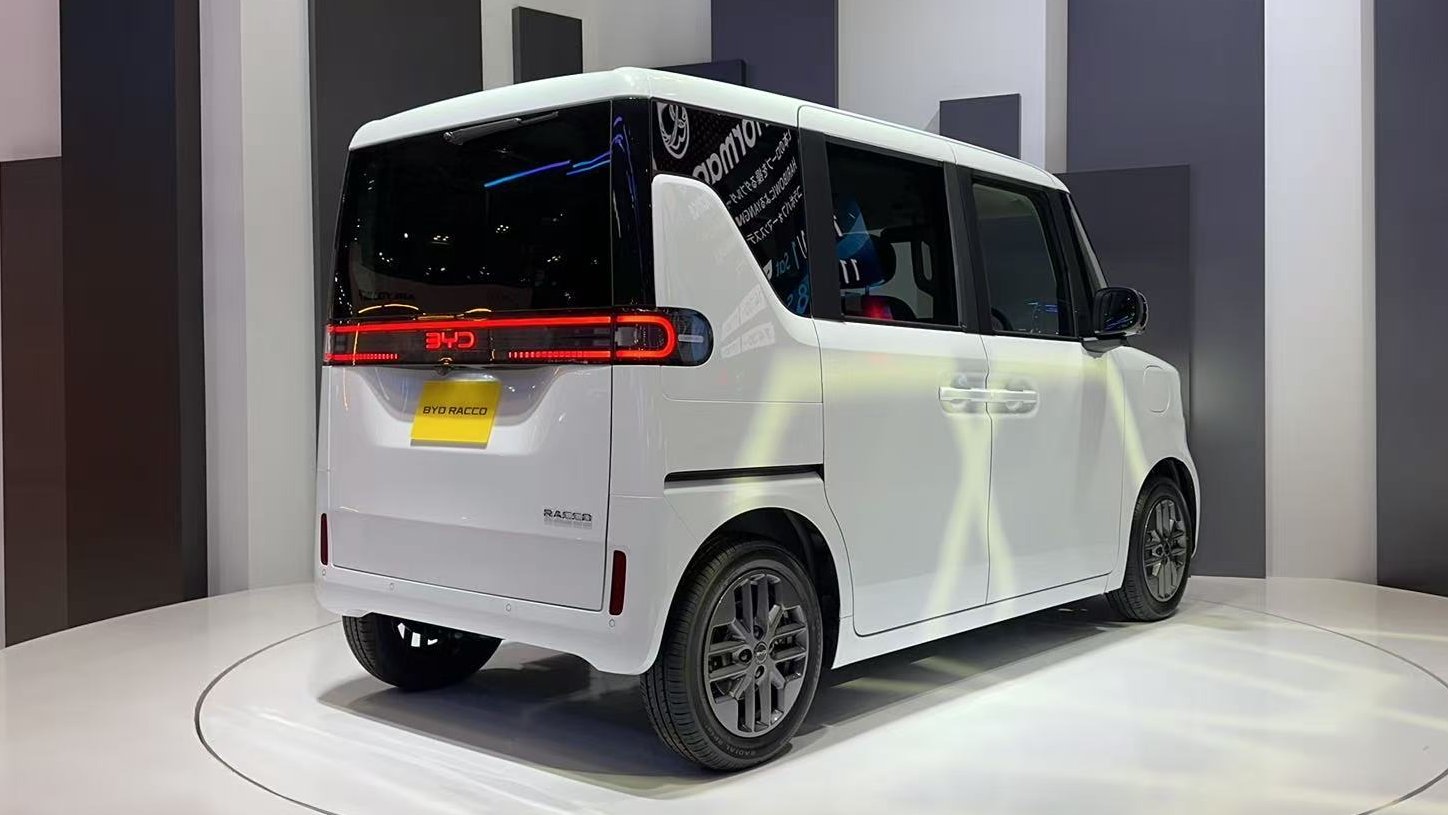
Japanese kei leaders like Honda’s N-Box and Daihatsu’s Mira sell over 200,000 units combined annually, with hybrid options dominating 80 percent of the segment. BYD’s pure EV undercuts rivals by 20 percent on price while offering superior range to the 120 km average of competitors. The prototype includes advanced driver aids like adaptive cruise control and lane-keeping, features absent in most sub-3 million yen kei models. BYD aims to capture 5 percent market share within three years through aggressive pricing.
Japan’s government subsidies for EVs, up to 650,000 yen per vehicle, apply to the BYD kei car if domestic content exceeds 50 percent. Trade tensions with China have led to 10 percent tariffs on imported EVs since 2024, which BYD mitigates via local assembly plans in Osaka by 2028. The prototype meets Euro NCAP 5-star safety standards, adapted for Japan’s JNCAP testing protocol. Environmental compliance includes zero tailpipe emissions certification for urban low-emission zones.