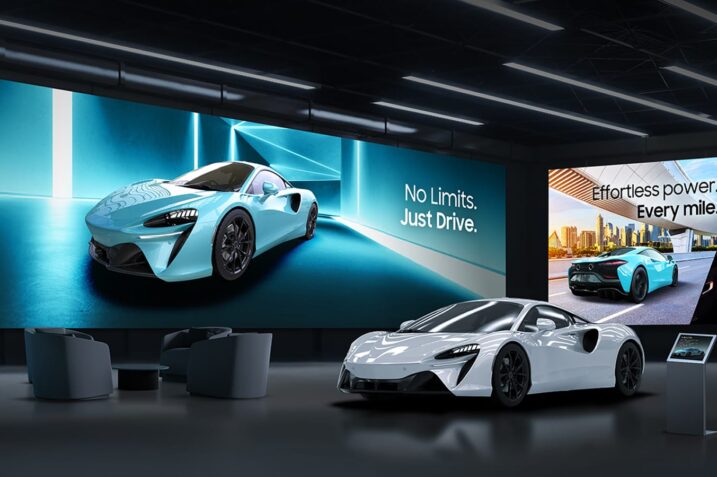
Robotaxis exist to remove the cost and limitations of human drivers, but every attempt to scale them runs into physical, regulatory, and computational constraints. Recent expansion plans from Tesla, Waymo, and Zoox expose how autonomous ride services are shaped less by ambition and more by safety validation, infrastructure limits, and system reliability under real world conditions.

Joined30/03/2015
Articles12653
In a significant step forward for quantum research in the UAE, the Technology Innovation Institute (TII), the applied research arm...
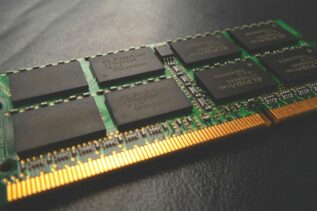
Low end graphics cards fail or survive long before they reach store shelves. Memory pricing sits at the center of that decision. When RAM becomes expensive, GPU designs that once made sense collapse under cost pressure. This is not about rumors or cancellations. It is about how graphics cards are assembled, priced, and justified in a market where margins are thin and expectations are rigid.
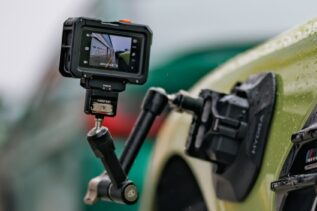
DJI has launched its Osmo Action 6 lineup with features not previously seen in the category. The new cameras introduce a variable aperture system and a larger 1/1.1-inch square sensor that together expand image control and low light performance, along with robust video capture specs and built-in storage for extended shooting.
Apple has rolled out the next iOS 26.2 beta, introducing a practical AirDrop improvement and new system references tied to future voice assistant changes. The update focuses on usability refinements and under the hood groundwork rather than visible interface redesigns.
A senior Baldur’s Gate 3 executive has explained why building a powerful Steam Machine makes little sense in the current PC gaming market. The comments focus on user behavior, existing hardware options, and why dedicated high end living room PCs struggle to justify their place.
Nintendo has released the first official images from The Legend of Zelda movie, offering an early look at its visual direction. The images highlight character design and environments that closely align with specific elements from the game series, providing clearer context around the adaptation’s creative approach.
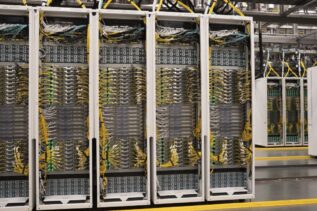
Microsoft’s AI superfactory is not a conventional data center. It is a distributed computing structure where connected facilities work as one machine to handle massive artificial intelligence training and inference tasks. The design confronts limits in networking speed, heat, power, and hardware utilization that arise when scaling AI. The choices in network design, cooling, and physical layout reveal how large AI workloads force a different approach to infrastructure.