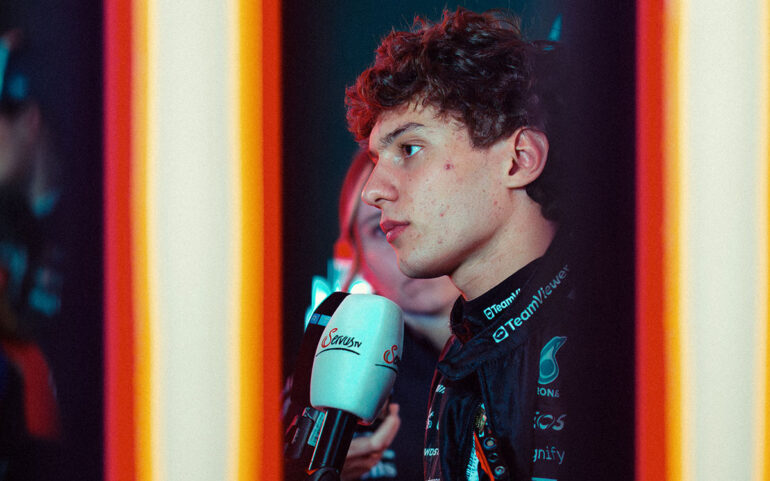

Mercedes has defended Andrea Kimi Antonelli after the 19-year-old received a five-second penalty for a marginal jump start during the 2025 Las Vegas Grand Prix. Despite the setback, Antonelli delivered one of his strongest drives of the season, climbing from 17th to finish third.
The stewards deemed that Antonelli’s car moved slightly before the lights went out, but Mercedes maintains that the incident was caused by an unexpected mechanical effect rather than driver error. According to engineering director Andrew Shovlin, the movement measured only around two centimetres.
Table of Contents
A “rare case” of movement with the clutch disengaged
Shovlin explained the nature of the incident in detail, noting that it was not the typical scenario of a driver releasing the clutch early.
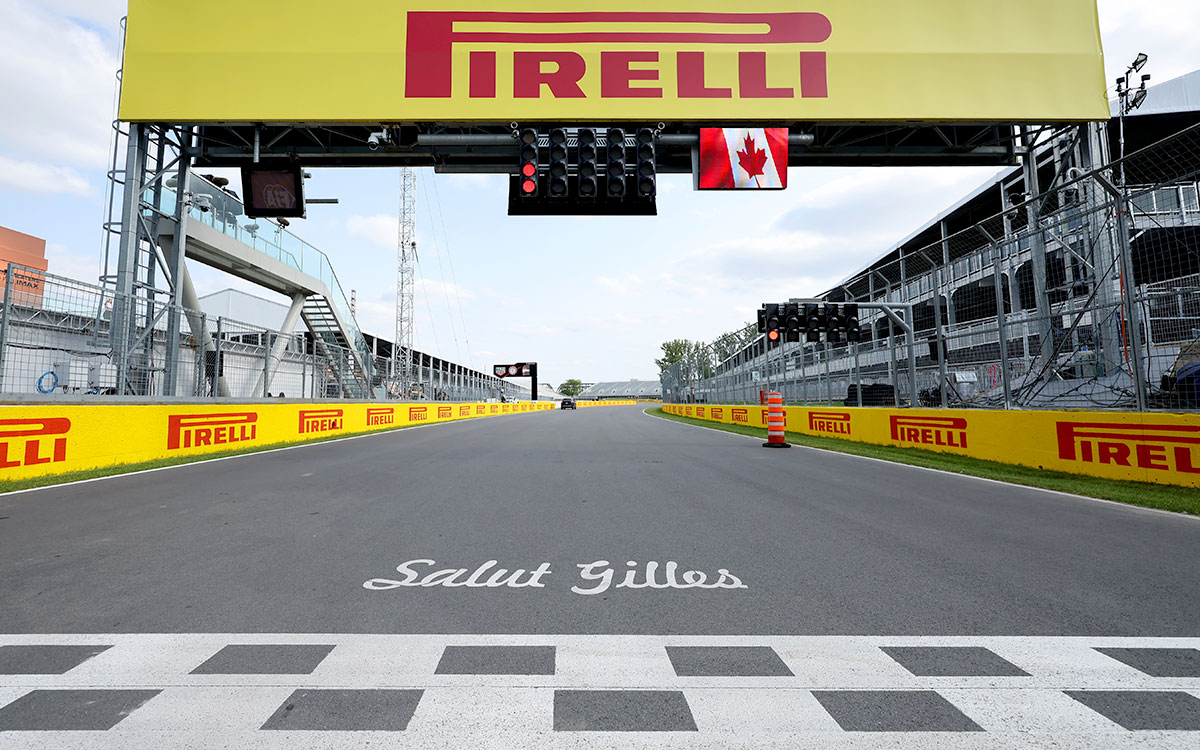
“When most people hear the term ‘jump start,’ they probably think of someone releasing the clutch before the lights go out to jump ahead of their rivals, but this was something completely different and quite unusual.”
“The video footage shows that the car moved very slowly forward by about two centimetres before the lights went out, but Kimi did not engage the clutch, in fact it was fully disengaged.”
Mercedes believes that the incident occurred during the brake-release phase of the starting sequence.
“The moment he took his foot off the brake, the car probably started moving. He takes his foot off the brake about a second before the lights go out to prepare for the start.”
Shovlin added that several factors can combine at that moment, such as engine vibration, residual torque and suspension movement, which can cause minimal forward creep.
“We’re not sure if it was a vibration in the car or if there was some torque in the driveline, but it certainly wasn’t the clutch that caused it to move forward.”
“It was an unfortunate penalty for him. He followed all the procedures we required. However, we need to take steps to ensure it doesn’t happen again.”
Mercedes will revise its start procedures before the Qatar Grand Prix.
Strategy masterclass: the recovery from 17th to 3rd
Despite the five-second penalty, Antonelli executed a superb comeback. Mercedes used the early Virtual Safety Car to bring him in on lap two for hard tyres, committing to a one-stop strategy that spanned 48 laps.
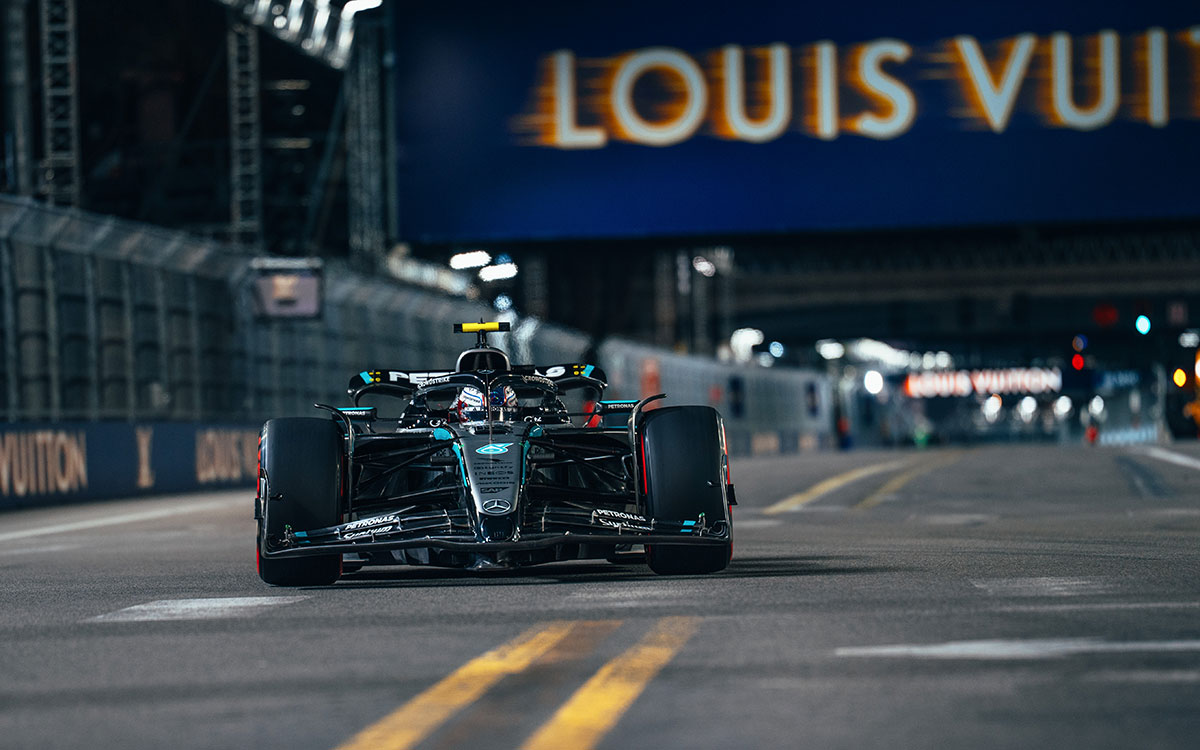
Shovlin explained that the early pit stop was the plan even without the VSC.
“I decided to pit quite early. I wanted to pit within a few laps, whether it was the first or third lap, because I wanted to change to hard tyres before other cars could cover me.”
“If I had waited until the more common timing, like laps 10 to 15, other cars would have reacted and I would have gotten stuck in traffic.”
The priority was clear: secure clean air.
“To do that, it was best to stop early when no one was moving. Since we had decided to start early, it made sense to start on soft tyres. These are the tyres that generate the most heat and are the easiest to gain grip at the start.”
Shovlin then praised the rookie’s tyre management.
“He drove really well. He knew what the tyres could handle. The front was tough, but the rear was good and he was able to use the throttle to turn the car and take the strain off the front.”
Antonelli held off pressure late in the race from Oscar Piastri and Charles Leclerc to secure the podium.
“Kimi held on brilliantly.”
A podium that reinforces Mercedes’ belief in their rising star
The Las Vegas weekend marked another example of Antonelli’s composure under pressure. Starting far down the order, serving a penalty, and driving 48 laps on a single set of hard tyres, he managed the race with maturity beyond his years.
The podium reinforces why Mercedes considers him a central figure in its long-term plans. Despite the 2cm false start and the penalty that followed, the rookie showcased skill, discipline and race intelligence on one of the calendar’s most unpredictable circuits.