


The search for the best drones for photography has become a lot more interesting lately because the technology is moving faster than most of us can keep up with. Whether you are trying to capture the skyline or just want a solid bird’s eye view of the Hudson, choosing the right gear is about more than just a high price tag. It is about finding a machine that stays in the air, avoids obstacles, and produces an image that looks professional even if you are just a hobbyist.
For those of us who have spent years testing these flying cameras, it is clear that the market is currently dominated by one major player, but the specific models vary wildly in terms of what they actually offer for your money. You have to think about weight, sensor size, and how much wind the thing can actually handle before it starts drifting toward a skyscraper.
Table of Contents
The current leader of the pack
If we are talking about the overall champion for most people right now, the DJI Air 3S is the name that keeps coming up. It strikes a balance that was previously impossible. In the past, you either had to get a tiny drone that struggled in low light or a massive professional rig that required a dedicated backpack. The Air 3S changes that by packing two cameras into a relatively small frame.
Having two different focal lengths is a game changer for anyone looking for the best drones for photography in New York. You get a wide angle lens for those expansive cityscapes and a medium telephoto lens that lets you get closer to the action without physically flying too close to buildings or people. The new one inch sensor on the main camera means your nighttime shots will actually look clean instead of being a grainy mess. This is the kind of versatility that makes a drone worth the investment.

Why obstacle avoidance matters in the city
Flying a drone in a crowded environment is stressful. Even the most experienced pilots get a bit twitchy when there are trees, power lines, or architectural details everywhere. This is where modern flight safety features come into play. The latest high end models now use LiDAR technology, which is basically the same tech used in self driving cars to map the world in three dimensions.
When you are hunting for the best drones for photography, you want a system that can see obstacles in every direction. The Air 3S is particularly good at this because it can detect objects even in low light conditions. If the drone senses a branch or a wall, it will automatically stop or fly around it. This gives you the peace of mind to focus on the framing of your shot rather than worrying about a catastrophic crash. For a beginner, this technology is the difference between a successful flight and a very expensive paperweight.
Portability and the traveler’s dilemma
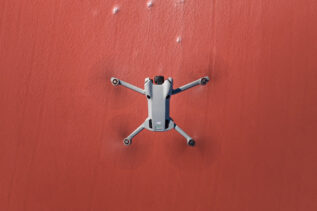
Most people do not want to lug around a giant case. If you are hiking through a park or traveling between boroughs, you want something that fits in a standard bag. This has led to the rise of the “mini” category. Drones like the DJI Mini 4 Pro are popular because they weigh less than 250 grams. In many regions, this weight limit is a legal threshold that exempts you from certain registration requirements.
However, being small comes with trade offs. While these are some of the best drones for photography for those on a budget, they do not handle heavy winds as well as their larger siblings. If the gusts coming off the East River are hitting 20 miles per hour, a tiny drone is going to struggle to stay stable. You have to decide if the convenience of a pocket sized device is worth the sacrifice in stability and sensor size. For most serious photographers, the slightly larger mid sized drones are usually the better bet.
Image quality and the prosumer gap
We have reached a point where the gap between consumer drones and professional cinema gear is shrinking. We now have features like 10-bit color depth and D-Log recording. If those terms sound like gibberish, it basically means the camera captures a massive amount of data that you can manipulate later. You can bring out the details in the shadows of a dark building or keep the sky from looking like a bright white blob.
The best drones for photography are those that give you this creative freedom. Even if you do not plan on being the next big filmmaker, having a camera that captures realistic skin tones and vibrant colors makes your vacation photos look significantly better. The dual camera setup mentioned earlier also allows for vertical shooting, which is perfect for anyone who primarily shares their work on social media platforms.
Making the final choice for your needs
So, how do you actually pick one? You should start by looking at your environment. If you are mostly flying in wide open spaces with plenty of light, you can save some money and go with a base model. But if you want the best drones for photography, you are likely going to be dealing with complex lighting and tight spaces. In that scenario, investing in a model with a larger sensor and better obstacle sensors is the only way to go.
The DJI Neo is an interesting entry level option for those who just want a flying selfie stick, but it lacks the sophisticated optics needed for real photography. On the other end of the spectrum, the Mavic 3 Pro is a beast with three cameras, but it is likely overkill for anyone who is not getting paid for their footage. For the vast majority of us, the middle ground is where the magic happens.
Ultimately, the best drone is the one that you actually feel comfortable flying. Technology has made it easier than ever to get into the air, but the responsibility still lies with the pilot to fly safely and respect local regulations. As long as you choose a reliable platform with a good camera, the views from above will never get old. Focus on finding a balance between the features you need and a price point that does not make you too nervous to take off.