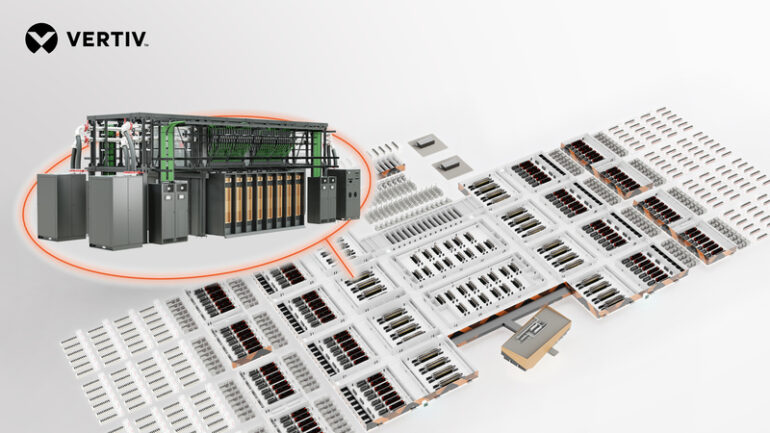

Vertiv wants to make the infrastructure behind AI factories feel a lot less like a bespoke science project. The data center infrastructure company says it’s supplying “simulation-ready” power and cooling building blocks for NVIDIA’s Vera Rubin DSX AI factory reference design and the NVIDIA Omniverse DSX Blueprint — essentially digital models and validated interfaces meant to help operators design, test and deploy high-density AI facilities faster.
The pitch is straightforward: as AI clusters balloon into multi-megawatt deployments, the real bottleneck isn’t just getting GPUs — it’s getting enough reliable power, cooling and controls online without expensive surprises during installation. Vertiv says its DSX SimReady assets let teams run system-level simulations before anything is built, so they can spot integration issues early and reduce field rework.
At the center of the announcement is Vertiv’s “converged physical infrastructure” approach, which bundles power, thermal management, controls and services into a system-level design rather than a collection of loosely connected products. The company frames this as a set of repeatable building blocks with defined interfaces, paired with a digital thread that carries the design from simulation into deployment and operations.
Vertiv also points to its Vertiv OneCore integrated modular solutions — standardized 12.5MW infrastructure blocks that can be combined for anything from smaller AI clusters to what it calls gigawatt-scale AI factories. If the blocks and interfaces hold up in practice, that standardization could make it easier for operators to scale without reinventing their physical plant every time they add capacity.
Table of Contents
Why this matters
AI hardware grabs the headlines, but power and cooling are quickly becoming the limiting factors for AI expansion — especially in regions where grid upgrades and permitting take longer than buying accelerators. If reference designs like NVIDIA’s Vera Rubin DSX are going to be more than marketing diagrams, the infrastructure layer needs to be predictable, repeatable and fast to deploy.
Simulation-first infrastructure could also shift how vendors compete. Instead of selling components in isolation, suppliers that can provide validated, system-level models — and stand behind them through deployment — may become the go-to partners for operators trying to hit aggressive build timelines.
Vertiv says the collaboration is intended to help customers reduce deployment complexity and integration risk, accelerate time to operational readiness, and improve coordination across power, cooling and controls, all the way from grid connection to chip-level thermal management.
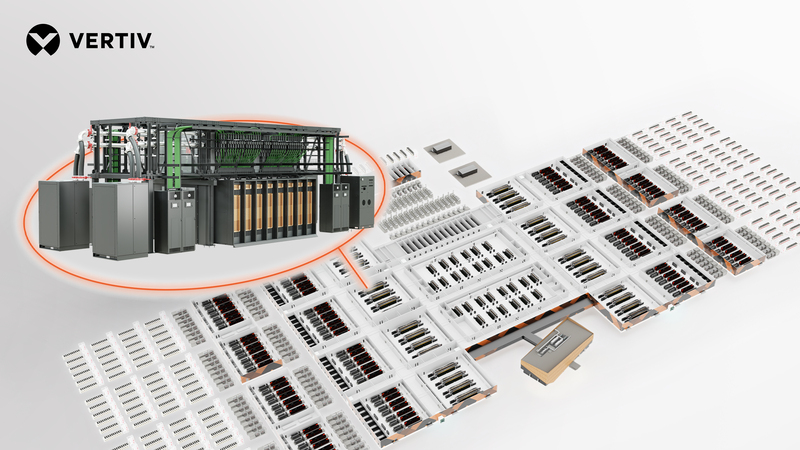
Vertiv (NYSE: VRT) is a major supplier of critical digital infrastructure equipment and services for data centers, with a portfolio spanning power, thermal management and controls.